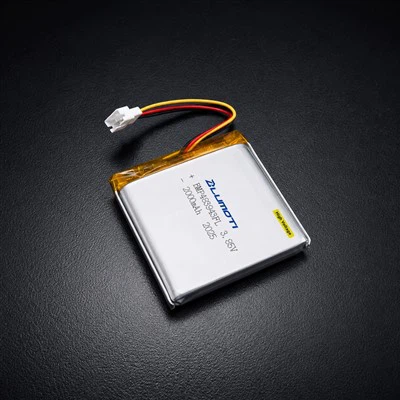


Hey there! As a supplier of Li Ion FPV batteries, I often get asked some pretty interesting questions. One that pops up quite a bit is, "Can I use a Li Ion FPV battery in a high - pressure environment?" Let's dig into this topic and find out what's what.
First off, it's crucial to understand the basics of Li Ion FPV batteries. These batteries are the powerhouses for our FPV drones. They're lightweight, have a high energy density, and can deliver a lot of power quickly, which is exactly what those high - speed drones need. For example, our Drone Battery 10000mAh is quite popular among enthusiasts. It offers a decent amount of juice to keep your drone up in the air for a good while. And then there's the Drone Battery 11.1 V, which provides the right voltage for smooth operation.
Now, what about high - pressure environments? Well, Li Ion batteries are designed to work under normal atmospheric conditions. High - pressure conditions can have some pretty significant impacts on them. For one thing, the battery's internal structure can be affected. Inside a Li Ion battery, there are electrodes and an electrolyte. High pressure can cause physical stress on these components.
The electrodes, which are responsible for storing and releasing the electrical charge, can get damaged. The pressure might push them out of shape, causing short - circuits or reducing their ability to hold a charge. The electrolyte, which is the medium that allows the flow of ions between the electrodes, can also be affected. High pressure might change its properties, like its viscosity or conductivity. This can lead to a decrease in the battery's overall performance.
Another issue is the potential for gas build - up. While Li Ion batteries are generally well - sealed, high pressure can create tiny leaks or cause the battery to expand. When the battery expands, it can put additional stress on the seals. If there are any impurities or side reactions happening inside the battery, gas can be produced. Under normal conditions, the battery can handle a little bit of gas, but in a high - pressure environment, the gas build - up can be more dangerous. It could lead to a rupture or even an explosion in extreme cases.
But it's not all doom and gloom. There are some situations where Li Ion FPV batteries can tolerate slightly higher pressures. For instance, if the pressure increase is gradual and within a reasonable range, the battery might still function. And if the battery is well - designed and of high quality, it will be more resilient. Our 6s Drone Battery is built with quality in mind, and it's designed to handle some variations in conditions.
However, it's always a risk. And if you're planning to use your FPV drone in a high - pressure environment, like deep - sea operations or high - altitude flights where the pressure changes rapidly, you need to think twice. For high - altitude flights, the pressure decreases as you go up, and then increases rapidly when you come down. This rapid pressure change can be really tough on the battery. Similarly, in deep - sea operations, the water pressure can be extremely high.
If you really have to use a Li Ion FPV battery in a high - pressure environment, there are some precautions you can take. You can use a pressure - resistant enclosure to protect the battery. This can help to buffer the external pressure and reduce the stress on the battery. You also need to monitor the battery closely. Check for any signs of swelling, leakage, or a decrease in performance. If you notice anything off, it's best to stop using the battery immediately.
Let's talk about some of our other popular products. The 7.4 Volt Drone Battery is great for smaller drones that don't need as much power. It's compact and lightweight, making it easy to carry around. And the 4s Drone Battery offers a good balance between power and size.
In conclusion, while it's technically possible to use a Li Ion FPV battery in a high - pressure environment, it's not without risks. The high pressure can damage the battery's internal components, cause gas build - up, and lead to a decrease in performance or even safety hazards. If you're in a situation where you might encounter high - pressure conditions, it's important to take extra precautions and monitor the battery closely.


If you're in the market for a reliable Li Ion FPV battery, we've got you covered. We offer a wide range of batteries to suit different needs and budgets. Whether you're a beginner or a seasoned pro, our batteries are designed to deliver the power and performance you need. If you have any questions about our products or need advice on using them in specific conditions, don't hesitate to reach out for a chat and discuss potential purchases. We're here to help you make the best choice for your FPV adventures.
References
- Battery University: A comprehensive resource on battery technology and safety.
- Journal of Power Sources: Research papers on battery performance and behavior under various conditions.