


In the rapidly evolving world of technology, smart UAV (Unmanned Aerial Vehicle) batteries have become a cornerstone for powering drones. As a leading smart UAV battery supplier, I often encounter an interesting question from customers and enthusiasts alike: "Can I use a smart UAV battery for other devices?" This blog post aims to delve into this question, exploring the feasibility, challenges, and potential applications of using smart UAV batteries beyond drones.
Understanding Smart UAV Batteries
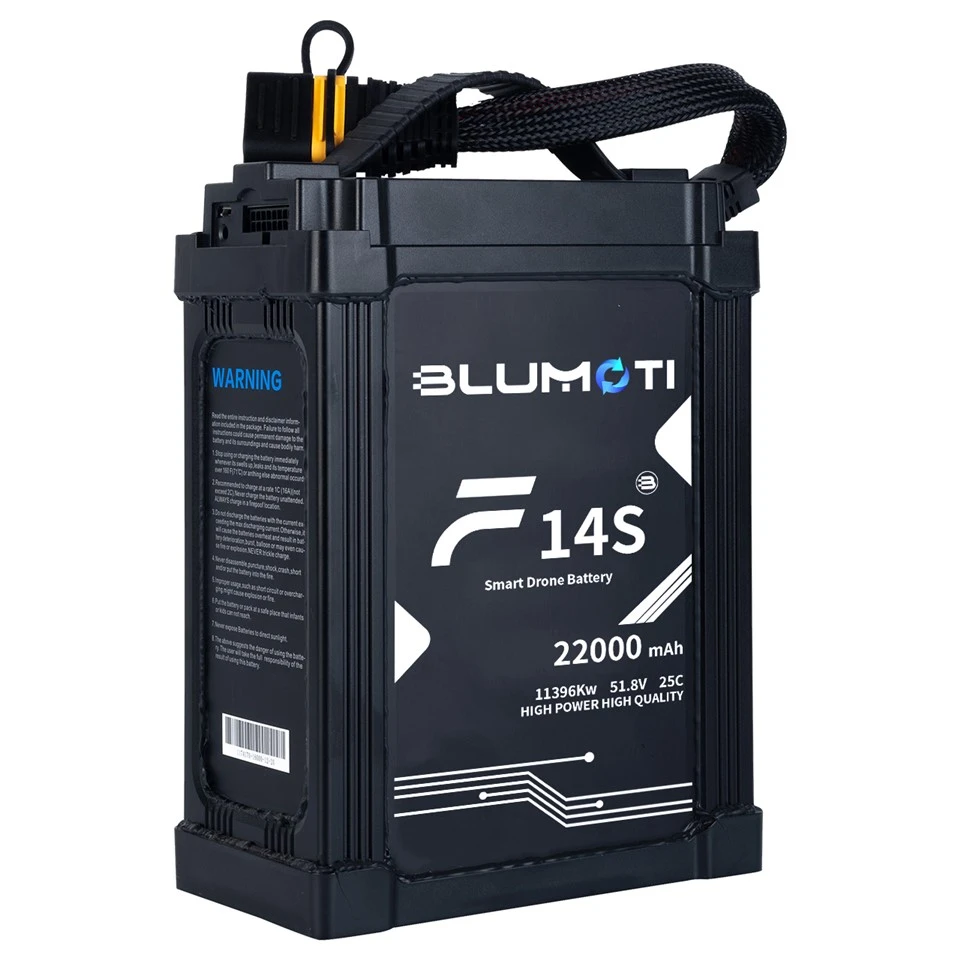
Before we discuss using smart UAV batteries for other devices, it's essential to understand what makes them unique. Smart UAV batteries, such as the Longest Lasting Drone Battery and Smart Drone Battery, are specifically designed to meet the demanding power requirements of drones. These batteries typically use lithium-ion technology, like the Drone Battery Lithium Ion, which offers high energy density, long cycle life, and relatively low self-discharge rates.
One of the key features of smart UAV batteries is their intelligent management system. This system monitors the battery's state of charge, temperature, and other vital parameters in real-time. It also provides safety features such as overcharge protection, over-discharge protection, and short-circuit protection. These features ensure the safe and efficient operation of the battery during flight, but they also have implications when considering using the battery for other devices.
Feasibility of Using Smart UAV Batteries for Other Devices
In theory, it is possible to use a smart UAV battery for other devices. However, several factors need to be considered to determine the feasibility of such an application.
Voltage and Current Requirements
The first and most critical factor is the voltage and current requirements of the device. Smart UAV batteries usually have specific voltage and current ratings designed to power drones. For example, many consumer drones use batteries with voltages ranging from 11.1V to 22.2V. If you want to use a smart UAV battery to power another device, you need to ensure that the device can handle the battery's voltage and current output. Using a battery with a higher voltage or current than the device can handle can damage the device, while using a battery with a lower voltage or current may not provide enough power for the device to function properly.
Physical Compatibility
Another important factor is physical compatibility. Smart UAV batteries come in various shapes and sizes, and they often have specific connectors designed for use with drones. To use a smart UAV battery for another device, you may need to modify the battery's connector or use an adapter. However, this can be challenging and may void the battery's warranty. Additionally, the device needs to have a suitable space to accommodate the battery.

Safety Considerations
Safety is of utmost importance when using a battery for any application. Smart UAV batteries are designed with safety features specifically for drones, and using them for other devices may bypass or compromise these features. For example, if a device draws more current than the battery is designed to handle, it can overheat the battery and cause a fire or explosion. Therefore, it's crucial to ensure that the device and the battery are compatible and that proper safety measures are in place.
Potential Applications of Smart UAV Batteries
Despite the challenges, there are some potential applications where using a smart UAV battery for other devices may be feasible and beneficial.
Portable Electronics
Smart UAV batteries can be used to power portable electronics such as laptops, smartphones, and tablets. These devices typically have lower power requirements than drones, so a smart UAV battery can provide a significant amount of energy. However, you need to use a suitable voltage converter to ensure that the battery's voltage is compatible with the device. This can be achieved using a step-down converter, which reduces the battery's voltage to a level that the device can handle.
Remote Monitoring Systems
Remote monitoring systems, such as environmental sensors and security cameras, often require a reliable power source. Smart UAV batteries can be an excellent option for these systems, especially in areas where access to a power grid is limited. These batteries can provide long-lasting power and can be easily replaced when needed. However, it's important to ensure that the battery's voltage and current output are compatible with the monitoring system.
DIY Projects
For hobbyists and DIY enthusiasts, smart UAV batteries can be a valuable resource for powering various projects. Whether it's building a custom robot or a small electric vehicle, a smart UAV battery can provide the necessary power. However, it's essential to have a good understanding of electrical engineering principles and safety precautions when working with batteries.
Challenges and Limitations
Using smart UAV batteries for other devices also comes with several challenges and limitations.
Regulation and Certification
Many smart UAV batteries are subject to strict regulations and certifications, especially when it comes to air transportation. Using these batteries for other devices may violate these regulations and could potentially pose legal risks. Additionally, some devices may require specific certifications to ensure their safety and compliance with standards.
Battery Life and Performance
The battery life and performance of a smart UAV battery can be affected by factors such as temperature, usage patterns, and charging habits. When using a battery for other devices, these factors may be different from those in a drone, which can impact the battery's lifespan and performance. For example, if a device is used in a high-temperature environment, it can cause the battery to degrade more quickly.
Cost
Smart UAV batteries can be relatively expensive compared to other types of batteries. Using them for other devices may not be cost-effective, especially if the device has lower power requirements. Additionally, the cost of any necessary adapters or converters needs to be considered.
Conclusion
In conclusion, while it is possible to use a smart UAV battery for other devices, it is not without challenges. Before attempting to use a smart UAV battery for another device, it's crucial to carefully consider the voltage and current requirements, physical compatibility, and safety considerations. Additionally, the potential applications, challenges, and limitations need to be weighed against the benefits.
As a smart UAV battery supplier, we are committed to providing high-quality batteries and technical support to our customers. If you have any questions or need assistance with using our smart UAV batteries for other devices, please feel free to contact us for further discussion. We look forward to the opportunity to work with you on your power needs.
References
- Battery University. (n.d.). Lithium-ion Batteries. Retrieved from [Battery University Website]
- Federal Aviation Administration. (n.d.). Aircraft Batteries: Safety and Transport. Retrieved from [FAA Website]


