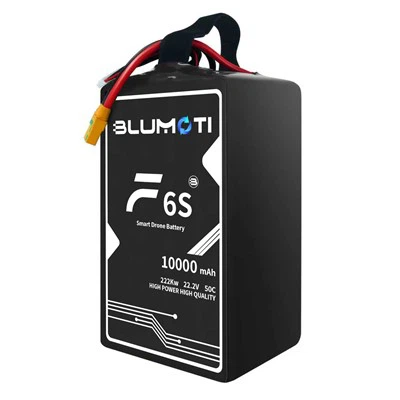


As a supplier of standard LiPo (Lithium Polymer) batteries, I often encounter questions from customers about the difference between the nominal and actual capacity of these batteries. This topic is crucial for anyone who uses LiPo batteries, whether in RC models, portable electronics, or other applications. In this blog post, I'll explain the concepts of nominal and actual capacity, the factors that cause the difference between them, and why it matters to you.
What is Nominal Capacity?
The nominal capacity of a LiPo battery is the capacity value specified by the manufacturer. It is usually measured in milliampere - hours (mAh). For example, a 50mAh Lithium Polymer Battery has a nominal capacity of 50mAh. This value is determined under specific test conditions, typically at a certain temperature (usually around 20 - 25°C) and a specific discharge rate (e.g., 0.2C).


The nominal capacity serves as a reference point for consumers and designers. It allows them to estimate how long a battery can power a device. For instance, if a device consumes 10mA of current, a 50mAh battery with a nominal capacity should theoretically power the device for about 5 hours (50mAh / 10mA = 5h).
What is Actual Capacity?
The actual capacity of a LiPo battery is the real - world amount of charge that the battery can deliver. It can vary from the nominal capacity due to several factors. When you purchase a Rechargeable Li Ion Battery 3.7V 2000mAh, the actual capacity you get may be slightly different from the stated 2000mAh.
Factors Affecting the Difference between Nominal and Actual Capacity
1. Temperature
Temperature has a significant impact on the performance of LiPo batteries. At low temperatures, the chemical reactions inside the battery slow down, reducing the battery's ability to deliver charge. As a result, the actual capacity is lower than the nominal capacity. For example, if you use a 601944 500mAh Lithium Polymer Batteries in a cold environment, say - 10°C, the actual capacity might drop to 300 - 400mAh.
Conversely, at high temperatures, the battery may initially show a higher capacity, but excessive heat can also cause long - term damage to the battery, reducing its overall lifespan and capacity over time.
2. Discharge Rate
The discharge rate, measured in C - rates, also affects the actual capacity. A higher discharge rate means that the battery is being drained more quickly. When a LiPo battery is discharged at a high C - rate, its internal resistance causes a voltage drop, and the battery may not be able to deliver all of its stored energy.
For example, if a Lithium ion polymer battery 3.7v 100mah is designed to be discharged at a 1C rate (100mA in this case), but you discharge it at a 5C rate (500mA), the actual capacity you get will be less than 100mAh.
3. Battery Age and Usage
As a LiPo battery ages and goes through multiple charge - discharge cycles, its actual capacity gradually decreases. The chemical reactions inside the battery cause wear and tear on the electrodes and electrolyte, reducing the battery's ability to store and deliver charge.
If you have a 1000 mAh Lipo that has been used for hundreds of cycles, you may find that its actual capacity has dropped to 800mAh or even lower.
4. Manufacturing Variations
Even in a batch of batteries with the same nominal capacity, there can be small variations in actual capacity due to manufacturing processes. Differences in the quality of raw materials, the precision of electrode coating, and the assembly process can all lead to variations in the actual capacity of individual batteries.
Why the Difference Matters
Understanding the difference between nominal and actual capacity is essential for several reasons.
1. Device Performance
If you rely on the nominal capacity to estimate the runtime of your device, you may be disappointed when the battery runs out of power earlier than expected. For example, in an RC model, if the actual capacity of the battery is lower than the nominal capacity, the flight time of the model will be shorter, affecting the overall performance.
2. Safety
Using a battery with an actual capacity significantly lower than the nominal capacity can also pose safety risks. If a device is designed to draw a certain amount of current based on the nominal capacity, but the actual capacity is much lower, the battery may be over - discharged, which can lead to swelling, overheating, or even explosion in extreme cases.
3. Cost - Efficiency
When purchasing batteries, it's important to consider the actual capacity rather than just the nominal capacity. A battery with a high nominal capacity but a low actual capacity may not be a cost - effective choice in the long run.
How We Ensure Quality and Capacity
As a standard LiPo battery supplier, we take several measures to ensure that our batteries have an actual capacity as close as possible to the nominal capacity.
1. Stringent Quality Control
We have a strict quality control process in place during the manufacturing process. We test each battery to ensure that it meets the specified nominal capacity under standard test conditions. We also perform regular checks on the production line to monitor the quality of raw materials and the precision of manufacturing processes.
2. Temperature and Discharge Rate Testing
We conduct tests on our batteries at different temperatures and discharge rates to understand how the actual capacity varies. This allows us to provide more accurate information to our customers about the performance of our batteries in different conditions.
3. Customer Support
We offer comprehensive customer support to help our customers understand the characteristics of our batteries. If you have any questions about the nominal and actual capacity of our batteries, our technical team is always ready to assist you.
Contact Us for Purchasing
If you are interested in purchasing our standard LiPo batteries, we invite you to contact us for more information. We can provide you with detailed product specifications, including the nominal and actual capacity of our batteries, as well as guidance on how to use and maintain them. Whether you need a small - capacity battery for a portable device or a large - capacity battery for an industrial application, we have the right solution for you.
References
- Linden, D., & Reddy, T. B. (2002). Handbook of Batteries. McGraw - Hill.
- Arora, P., White, R. E., & Doyle, M. (1999). Comparison of Modeling Predictions with Experimental Data from Plastic Lithium Ion Cells. Journal of The Electrochemical Society, 146(2), 354 - 361.