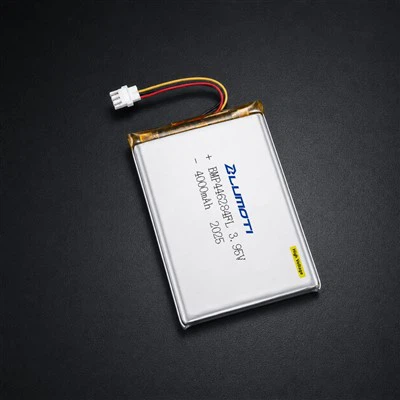


Hey there! As a supplier of 3.7V 6000mAh lithium polymer batteries, I often get asked about the weight of these nifty little powerhouses. So, I thought I'd dive into this topic and share some insights with you.
First off, let's understand what a 3.7V 6000mAh lithium polymer battery is. The "3.7V" refers to the nominal voltage of the battery, which is basically the average voltage you can expect during normal use. The "6000mAh" (milliampere - hours) is a measure of the battery's capacity. It tells you how much electric charge the battery can store and deliver over time. In simple terms, a 6000mAh battery can supply 6000 milliamperes of current for one hour, or other combinations that multiply to 6000 (like 3000 milliamperes for two hours).
Now, onto the weight of the battery. The weight of a 3.7V 6000mAh lithium polymer battery can vary depending on a few factors. One of the main factors is the design and construction of the battery. Different manufacturers might use different materials and have different internal structures. Generally, a 3.7V 6000mAh lithium polymer battery weighs around 200 - 250 grams. However, this is just an approximate range.


The weight is also influenced by the quality of the materials used. High - quality battery cells usually have more efficient chemical compositions, but they might also be a bit heavier due to the use of better grade electrodes and electrolytes. For example, batteries made with better lithium cobalt oxide as the cathode material might be a bit heavier but offer better performance and longer lifespan.
Another aspect that affects weight is the packaging. The outer casing of the battery, which is there to protect the delicate internal components, can add to the overall weight. Some batteries come with more robust casings for applications where they might be exposed to rough handling or harsh environments. These casings will naturally increase the weight of the battery.
If you're in the market for smaller lithium polymer batteries, we also offer a 50mah Lithium Polymer Battery. This small - capacity battery is great for applications where space and power requirements are minimal, like small sensors or some low - power wearable devices.
For those who need a bit more power but still want a relatively compact battery, our 503035 500mAh Rechargeable Lithium Polymer Battery is a good option. It's rechargeable and can be used in a variety of consumer electronics.
If you're looking for something with a higher voltage, we have the High Voltage Lipo Battery. These batteries are designed to meet the needs of applications that require more power, such as some advanced drones or high - performance RC vehicles.
Our 1000 mAh Lipo is also a popular choice. It offers a good balance between capacity and size, making it suitable for a wide range of devices, from small cameras to some handheld gaming consoles.
And for really low - power applications, we have the Lithium ion polymer battery 3.7v 100mah. It's perfect for things like small key fobs or some simple electronic toys.
When it comes to choosing the right battery, weight isn't the only factor to consider. You also need to think about the battery's capacity, voltage, discharge rate (how quickly it can release its stored energy), and its cycle life (how many times it can be charged and discharged). For example, if you're using the battery in a device that needs a lot of power quickly, you'll want a battery with a high discharge rate.
In addition, safety is a crucial aspect. Lithium polymer batteries are generally safe, but proper handling and storage are essential. Make sure to follow the manufacturer's instructions for charging, discharging, and storing the battery. Overcharging or over - discharging a lithium polymer battery can lead to safety issues, such as overheating or even explosion in extreme cases.
If you're interested in our 3.7V 6000mAh lithium polymer batteries or any of our other products, we'd love to have a chat with you. Whether you're a small - scale hobbyist looking for a battery for your DIY project or a large - scale manufacturer in need of bulk orders, we can work with you to meet your requirements. Just reach out to us, and we'll be happy to discuss the details and find the best solution for you.
In conclusion, the weight of a 3.7V 6000mAh lithium polymer battery is an important consideration, but it's just one piece of the puzzle. By understanding all the different factors involved in battery selection, you can make an informed decision and choose the battery that's right for your specific application.
References:
- Battery University: A great resource for in - depth information on battery technology and performance.
- Industry reports on lithium polymer battery manufacturing and usage.