


What is the weight of a typical custom lithium battery?
As a custom lithium battery supplier, I often encounter inquiries from clients about the weight of our products. The weight of a typical custom lithium battery can vary significantly depending on several factors, including its capacity, type, size, and the specific application for which it is designed. In this blog post, I will delve into these factors and provide a comprehensive understanding of what to expect in terms of weight when ordering a custom lithium battery.
Factors Affecting the Weight of Custom Lithium Batteries
Capacity
One of the most significant factors influencing the weight of a custom lithium battery is its capacity, measured in ampere - hours (Ah) or milliampere - hours (mAh). Generally, the higher the capacity of the battery, the more energy it can store, and the heavier it will be. This is because a larger capacity requires more active materials, such as lithium - ion compounds, to facilitate the electrochemical reactions that produce electricity.
For example, a small - capacity custom lithium battery with a capacity of 500 mAh might weigh around 10 - 15 grams, while a high - capacity battery with a capacity of 5000 mAh could weigh anywhere from 70 - 100 grams or more, depending on other factors like the battery type and design.
Type of Battery
There are several types of lithium batteries, including lithium - ion (Li - ion), lithium - polymer (Li - Po), and lithium - iron - phosphate (LiFePO4). Each type has different characteristics that affect its weight.
Lithium - Polymer (Li - Po) Batteries
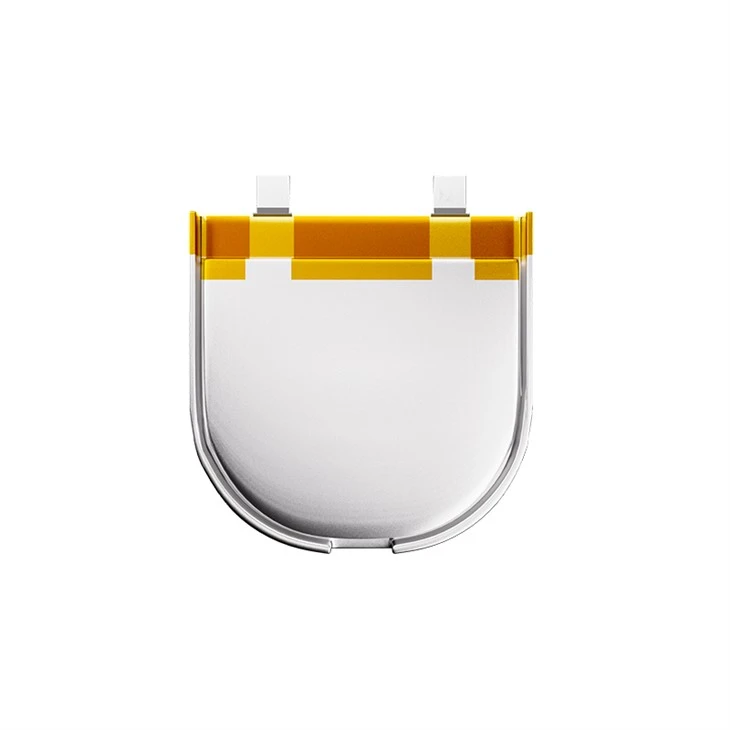
Li - Po batteries are known for their flexibility in design and relatively lightweight nature. They use a polymer electrolyte instead of a liquid electrolyte, which allows for more flexible and thinner packaging designs. Our company offers a variety of custom Li - Po batteries, such as the Pouch U Shaped Lipo Battery, Pouch Curved Lipo Battery, and Pouch Ultra Narrow Polymer Battery. These batteries are often used in applications where space and weight are critical, such as in some wearable devices or small drones. A custom Li - Po battery with a moderate capacity might weigh less compared to a Li - ion battery of the same capacity.
Lithium - Ion (Li - ion) Batteries
Li - ion batteries are widely used in a variety of applications, from smartphones to electric vehicles. They typically have a higher energy density compared to Li - polymer batteries, but they also tend to be more rigid in design. The weight of a Li - ion battery can vary depending on its form factor and capacity. For instance, a cylindrical Li - ion battery used in laptops may have a different weight compared to a prismatic Li - ion battery used in electric bicycles.
Lithium - Iron - Phosphate (LiFePO4) Batteries
LiFePO4 batteries are known for their safety, long cycle life, and moderate energy density. They are often heavier than Li - ion and Li - polymer batteries of the same capacity due to the nature of the active materials used. However, they are preferred in applications where safety is a top priority, such as in some energy storage systems and electric vehicles.
Size and Design
The physical size and design of a custom lithium battery also play a crucial role in determining its weight. Batteries with larger dimensions will generally weigh more because they can accommodate more active materials. Additionally, the shape of the battery can affect its weight. For example, a Pouch Bottle Shaped Lipo Battery or a curved battery may have a different weight distribution and overall weight compared to a standard rectangular - shaped battery, even if they have the same capacity.
Application - Specific Requirements
The intended application of the custom lithium battery can also influence its weight. For example, batteries used in aerospace applications need to be as lightweight as possible to reduce the overall weight of the aircraft and improve fuel efficiency. In contrast, batteries used in stationary energy storage systems may not have such strict weight requirements, and therefore, more materials can be used to increase the battery's capacity and durability.
Typical Weight Ranges for Different Applications
Wearable Devices
Wearable devices, such as smartwatches and fitness trackers, require small and lightweight batteries. A custom lithium battery for a smartwatch might have a capacity in the range of 100 - 500 mAh and weigh between 3 - 15 grams. These batteries are often of the Li - Po type to take advantage of their thin and flexible design. Our Ultra Thin Lithium Polymer Battery is a great option for such applications.
Portable Electronics
Portable electronics, like smartphones and tablets, need batteries with a higher capacity to provide sufficient power for extended use. A smartphone battery typically has a capacity of 3000 - 5000 mAh and can weigh around 40 - 80 grams. These batteries are usually Li - ion batteries due to their high energy density.

Electric Vehicles
Electric vehicles (EVs) require large - capacity batteries to provide the necessary range. The weight of an EV battery pack can range from several hundred kilograms to over a ton, depending on the vehicle's size and the desired range. These batteries are often Li - ion or LiFePO4 type, and advancements in battery technology are constantly being made to reduce their weight while increasing their capacity.
How to Estimate the Weight of a Custom Lithium Battery
If you are interested in getting a custom lithium battery, but you are unsure about the weight, here are some steps you can take:
- Determine the Capacity: First, decide on the capacity you need for your application. This will be based on factors such as the power consumption of your device and the desired runtime.
- Choose the Battery Type: Consider the advantages and disadvantages of different battery types (Li - ion, Li - Po, LiFePO4) based on your application's requirements, such as safety, energy density, and weight constraints.
- Discuss the Design: Work with our engineering team to come up with a suitable battery design, including the shape and size. Our team has extensive experience in creating custom lithium batteries and can provide valuable insights on how different designs may affect the weight.
- Request a Quote: Once you have determined the capacity, battery type, and design, you can request a quote from us. Our quote will include an estimated weight of the custom lithium battery, along with other details such as pricing and lead time.
Conclusion
In conclusion, the weight of a typical custom lithium battery is influenced by multiple factors, including capacity, battery type, size, design, and application requirements. As a custom lithium battery supplier, we have the expertise and flexibility to design and manufacture batteries that meet your specific needs in terms of capacity, weight, and other performance parameters.
If you are considering purchasing custom lithium batteries for your project, we encourage you to contact us for more information. Our team of experts is ready to assist you in selecting the right battery solution and providing personalized advice. Let's work together to create the perfect custom lithium battery for your application.
References
- Linden, D., & Reddy, T. B. (2011). Handbook of Batteries. McGraw - Hill.
- Wang, C. Y. (2013). Lithium - Ion Batteries: Science and Technologies. Springer.


