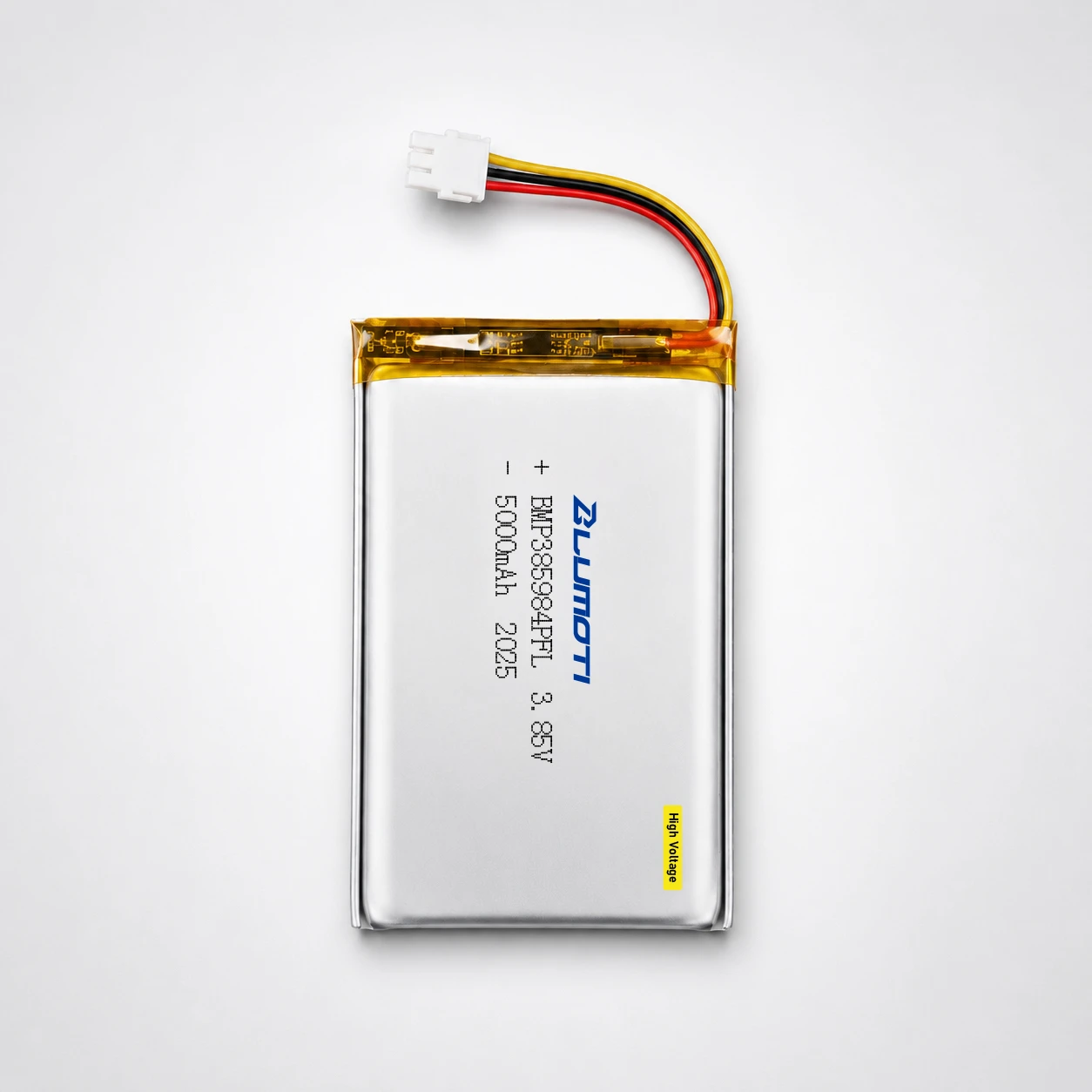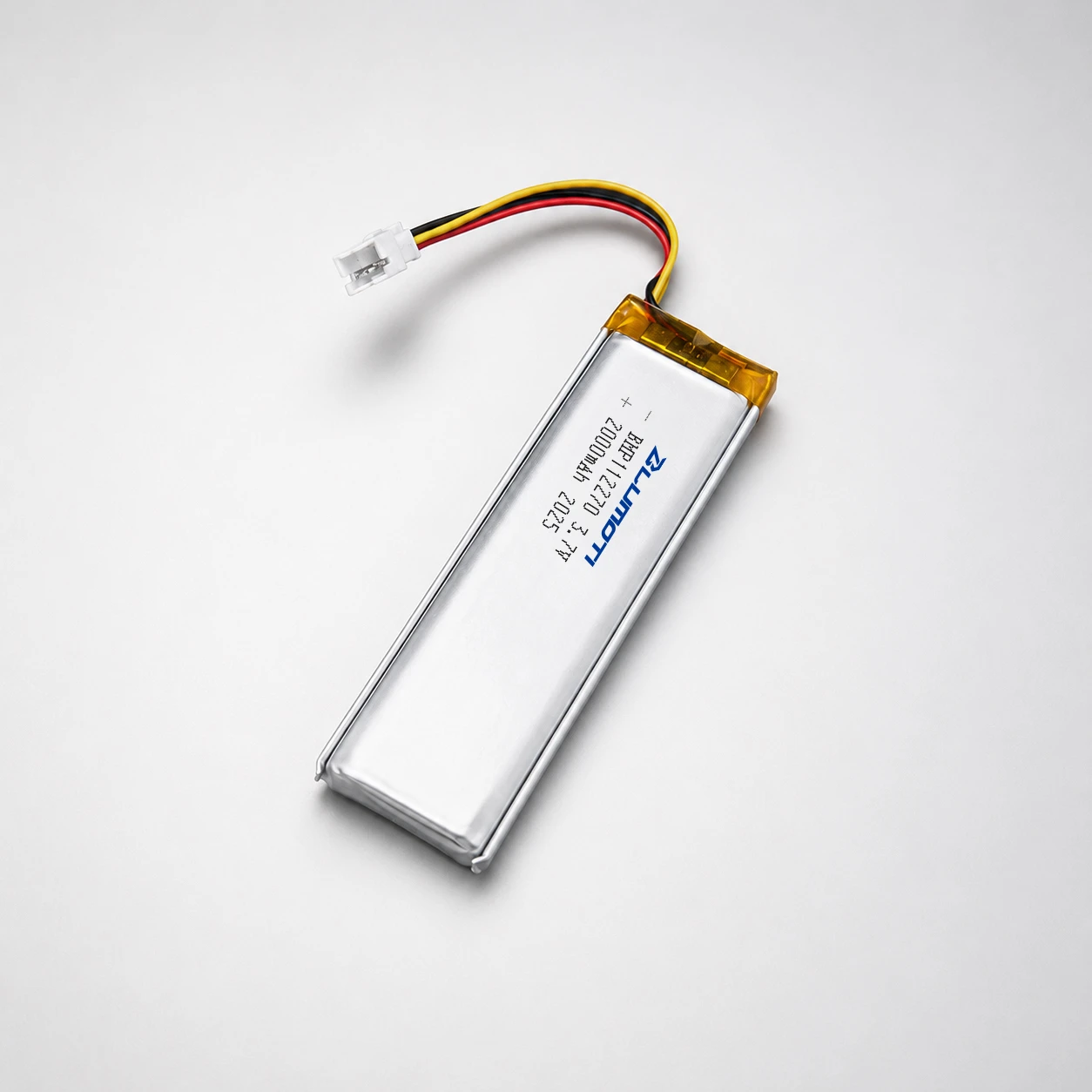

Cryogenic batteries, capable of maintaining power output in extremely cold conditions, are widely used in special scenarios such as polar scientific expeditions, high-altitude patrols, winter emergency rescue, and high-altitude operations. However, their unique material systems and thermal management requirements necessitate scientific and meticulous care during daily use and storage to ensure stable performance, long lifespan, and minimize safety risks.
The primary principle of daily care is proper operating temperature management. Although cryogenic batteries can discharge in sub-zero environments, prolonged exposure to extremely low temperatures accelerates the increase in electrolyte viscosity and electrode interface impedance, leading to irreversible capacity decay. During non-operational periods, batteries should be stored in a suitable temperature environment (recommended 0℃ to 25℃) to avoid prolonged exposure to extreme cold or drastic temperature changes. If short-term low-temperature storage is necessary, use an insulated box or dedicated thermal insulation packaging to mitigate the damage to the battery cells from sudden temperature drops.
Secondly, standardized charging and discharging operations are crucial. Charging in low-temperature environments requires particular caution, as it easily leads to lithium metal deposition, increasing the risk of short circuits and thermal runaway. Charging should only begin after the battery temperature has risen to the manufacturer's recommended minimum charging temperature (usually above 0°C), prioritizing a low-current pre-charge mode. Once the cell temperature and voltage stabilize, resume normal charging at the normal rate. Avoid prolonged full-load operation during discharge to prevent insufficient temperature rise, which can exacerbate low-temperature polarization and affect cell consistency.
Thirdly, regular inspection and status monitoring are crucial. During daily use, check for bulging, leakage, or deformation on the battery's exterior, and ensure that interfaces and connections are secure and free from corrosion. Use a Battery Management System (BMS) or dedicated testing equipment to regularly read parameters such as voltage, internal resistance, remaining capacity, and State of Health (SOH). If any abnormalities are found, immediately stop using the battery and send it to a professional institution for testing. For low-temperature batteries equipped with heating functions, regularly check the effectiveness of the heating film, temperature sensor, and control circuitry to ensure proper preheating and thermal management functions.
Storage and transportation care are equally important. For long-term storage, maintain the battery charge between 40% and 60%. This range represents the optimal state for cell chemical stability, slowing down self-discharge and aging. Storage areas should be dry, well-ventilated, and protected from light, as well as fire sources and corrosive substances. Transportation must comply with regulations for the storage and transport of hazardous materials, employing short-circuit-proof, shock-proof, and temperature-controlled packaging to prevent mechanical damage and extreme temperature exposure.
Finally, usage and maintenance records should be established, documenting each charge/discharge time, ambient temperature, charge changes, and maintenance procedures to analyze performance trends and develop replacement plans. For cryogenic batteries used in high-frequency or mission-critical applications, a rotation system can be implemented to avoid excessive cycling of a single battery group and improve overall reliability.
In general, routine care for cryogenic batteries encompasses temperature management, charge/discharge specifications, status monitoring, storage and transportation protection, and record management. Only by integrating scientific care into the entire usage process can their superior performance be continuously maintained in frigid environments, providing a safe and stable energy guarantee for equipment and missions.