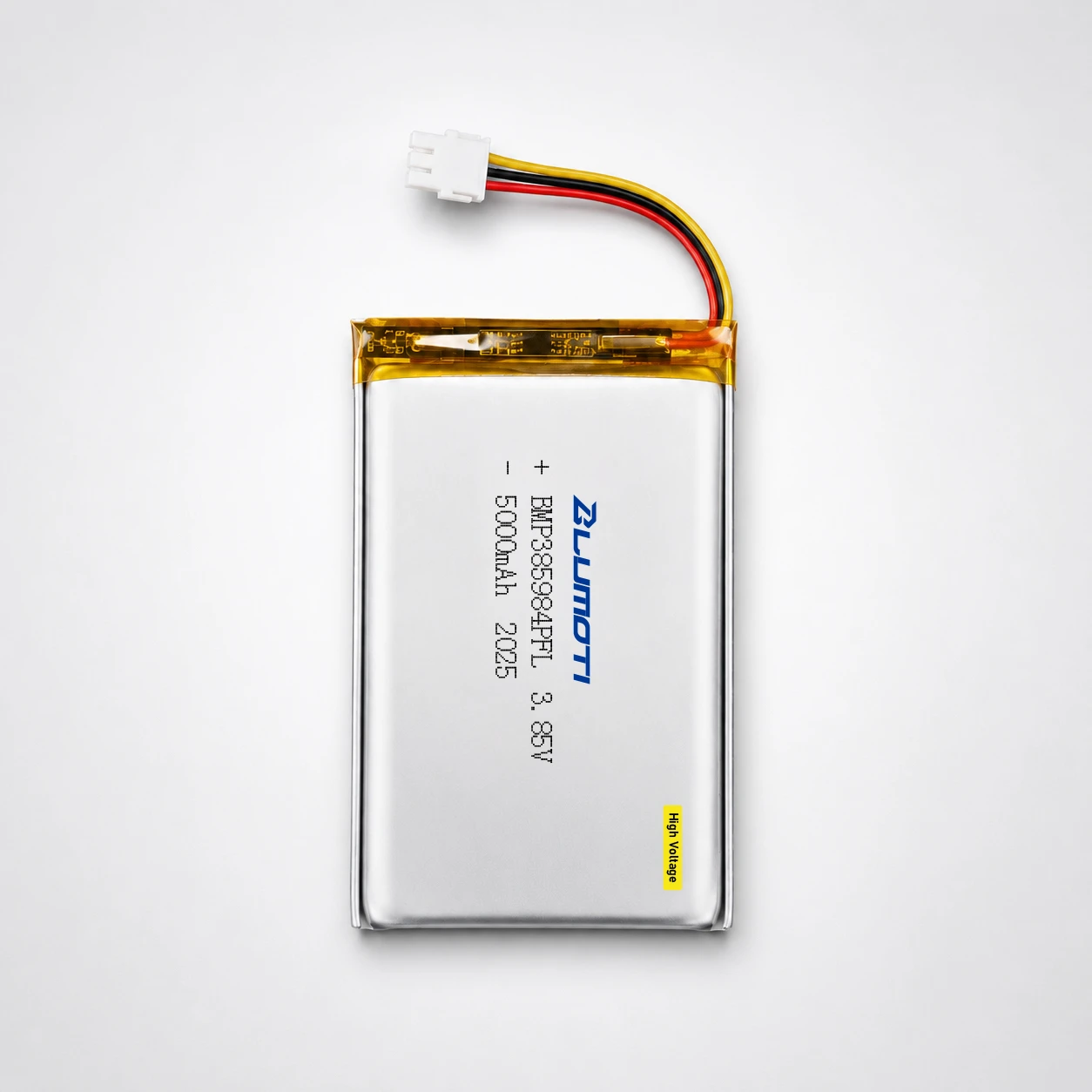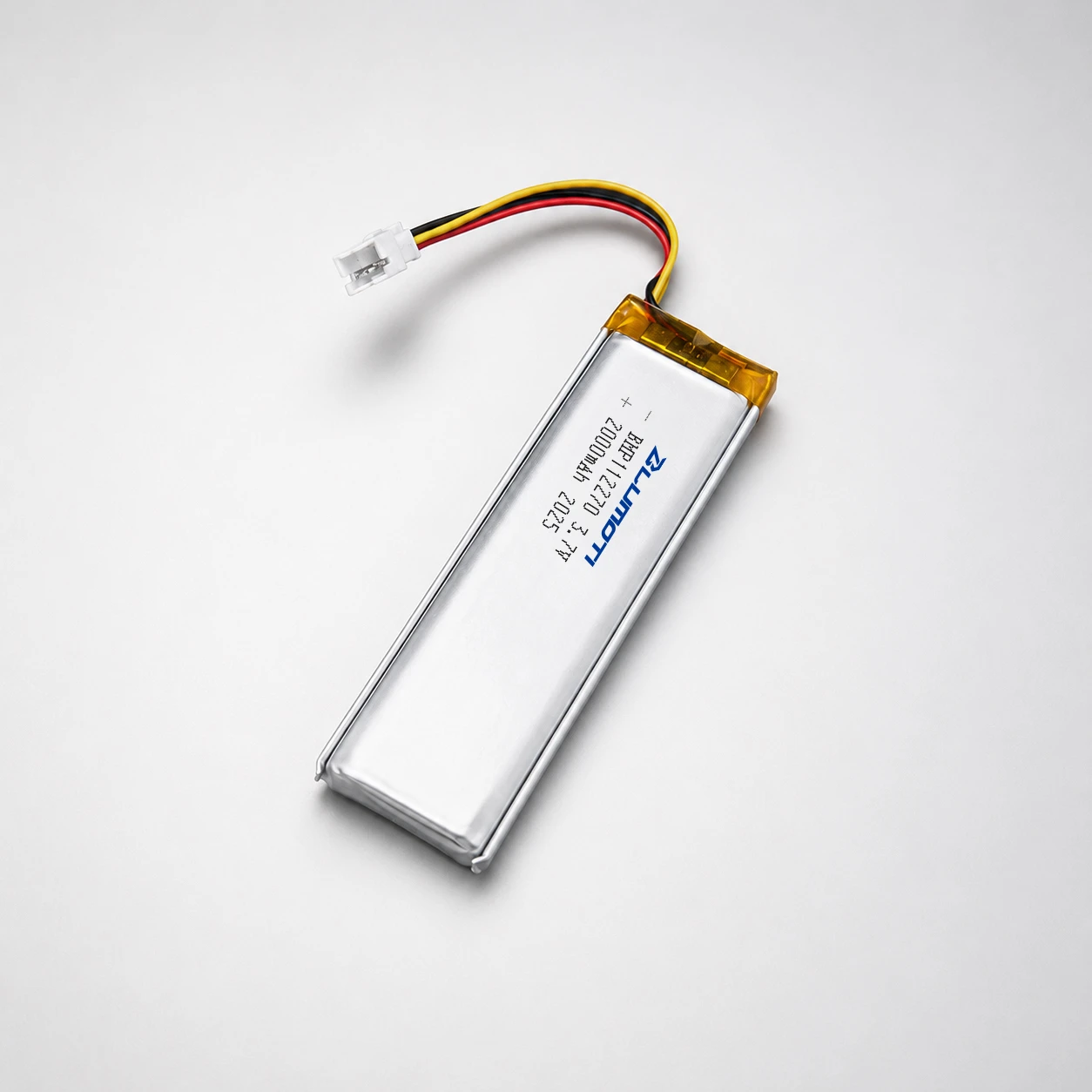

As specialized energy devices for polar scientific research, high-altitude energy storage, and special equipment, the stable operation of cryogenic batteries under extreme cold conditions relies not only on material and structural advantages but also on standardized operation. Because low temperatures significantly affect the kinetic characteristics and interfacial stability of electrochemical systems, improper use can easily lead to a sudden drop in capacity, safety risks, or shortened lifespan. Therefore, understanding and implementing key precautions is a fundamental prerequisite for ensuring the expected performance of cryogenic batteries.
First, charge and discharge management must be strictly matched to the low-temperature characteristics. In environments of -20℃ and below, high-rate charging and discharging should be avoided. It is recommended to control the charging and discharging current within 50% of the rated value at room temperature to prevent increased polarization leading to lithium dendrite precipitation or electrode structure damage. Before charging, if the battery temperature is below -10℃, self-heating or external temperature control should be activated to raise the temperature to a suitable range (generally recommended to be above 0℃), followed by constant current-constant voltage charging. Power should be disconnected promptly after reaching the cutoff voltage to prevent overcharging and electrolyte decomposition. During discharge, deep discharge below the cutoff voltage should be avoided to prevent irreversible phase transition at the negative electrode or SEI film rupture, increasing internal resistance and safety risks.
Secondly, temperature monitoring and thermal management are crucial. Although low-temperature batteries possess some self-heating capability, external insulation or preheating measures are still necessary during extreme cold starts or continuous high-load operation to ensure the core area temperature does not fall below the manufacturer's specified lower limit. The response speed and temperature control accuracy of the self-heating module should be checked regularly during use; any delays or malfunctions should be immediately addressed with immediate shutdown and repair. Simultaneously, frequent and drastic temperature changes within a short period should be avoided, as thermal expansion and contraction can cause unstable contact impedance between the electrodes and current collectors, even leading to microcracks and affecting cycle consistency.
Thirdly, storage conditions should be scientifically set. For long-term storage, the battery should be placed in an environment with a relatively constant temperature above its minimum operating temperature (generally -5°C to 10°C is recommended), and the state of charge should be maintained between 40% and 60% to reduce the self-discharge rate and the incidence of side reactions. During storage, voltage and internal resistance should be checked every few months. If significant deviations from baseline values are found, timely maintenance charging or performance evaluation should be performed to prevent irreversible damage caused by prolonged undercharging or saturation storage.
Furthermore, electrical connections and mechanical protection are crucial. Tabs, interfaces, and other components are more prone to oxidation or loosening at low temperatures; they should be regularly inspected, cleaned, and ensured to be securely fastened to prevent increased contact resistance and localized overheating. If the battery casing is damaged or the seal fails, the electrolyte may absorb moisture or freeze and expand in low-temperature, high-humidity environments; in such cases, immediate isolation and replacement are necessary.
In summary, precautions for using low-temperature batteries cover charging and discharging strategies, temperature management, storage specifications, and physical protection. Only through systematic implementation can safe, stable, and long-life operation be achieved under extremely cold conditions, providing a reliable guarantee for energy supply in extreme environments.