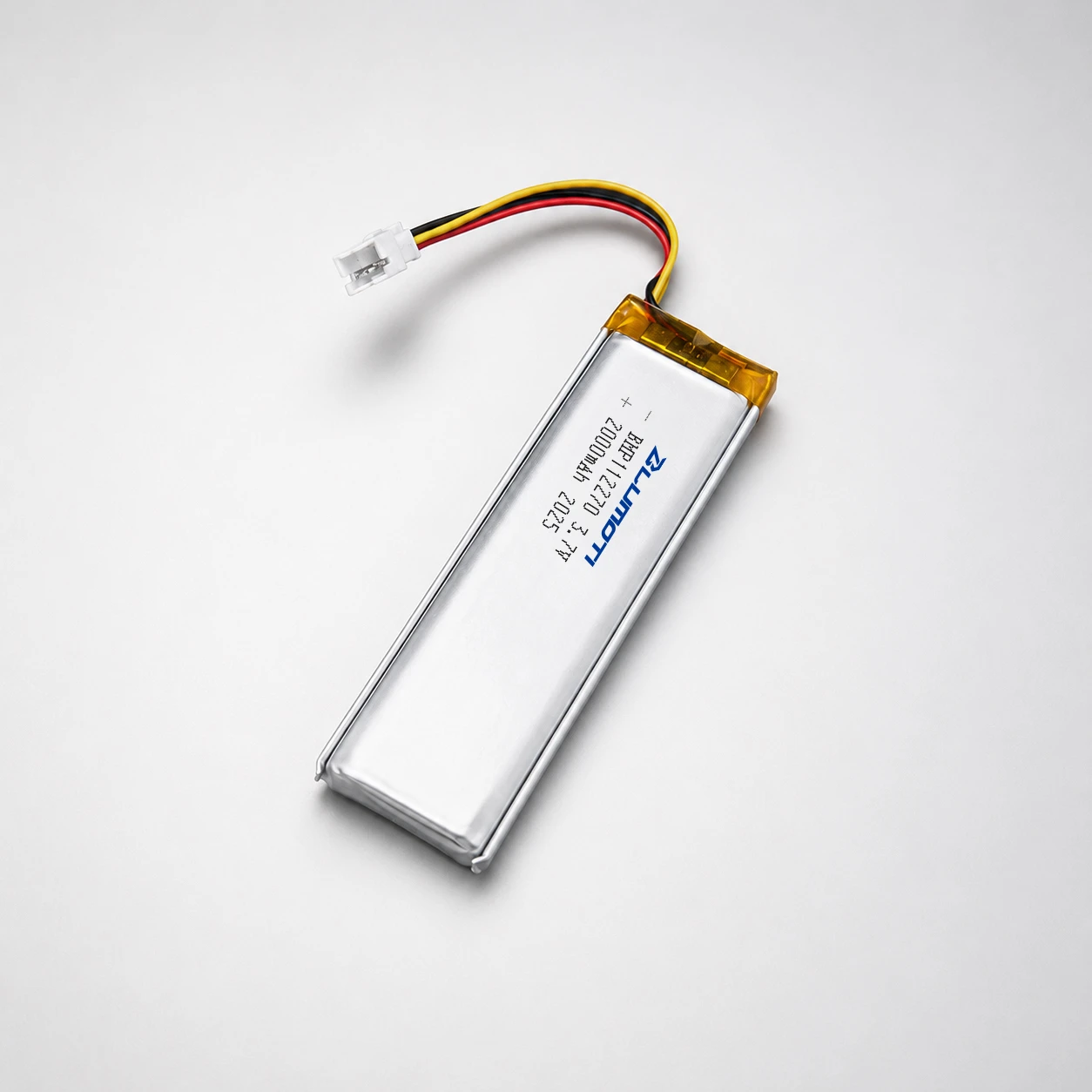


Can a small rechargeable battery pack be used for emergency lighting?
In today's world, power outages can occur unexpectedly due to various reasons such as severe weather conditions, electrical grid failures, or natural disasters. During such situations, having a reliable source of emergency lighting is crucial for safety and convenience. One option that often comes to mind is using a small rechargeable battery pack to power emergency lights. As a supplier of Small Rechargeable Battery Pack, I will explore the feasibility and effectiveness of this approach in this blog post.
Understanding Small Rechargeable Battery Packs
Small rechargeable battery packs are compact and portable energy storage devices that can be recharged multiple times. They come in various chemistries, including lithium - polymer, nickel - metal hydride (NiMH), and lead - acid. Among these, lithium - polymer batteries are particularly popular due to their high energy density, lightweight, and long cycle life. Our company offers a range of Small Lithium Polymer Battery Pack that are well - suited for a variety of applications, including emergency lighting.


The 2s 1500mAh Lithium Polymer battery pack, for example, is a small but powerful option. The "2s" indicates that it consists of two cells connected in series, which provides a higher voltage compared to a single - cell battery. With a capacity of 1500mAh, it can store a significant amount of energy, making it potentially suitable for powering emergency lights.
Feasibility of Using Small Rechargeable Battery Packs for Emergency Lighting
Advantages
- Portability: One of the main advantages of small rechargeable battery packs is their portability. They can be easily carried around and used in different locations during a power outage. This is especially useful if you need to move around your home or office to find essential items or check on the safety of others.
- Quick Setup: Unlike some larger emergency lighting systems that may require complex installation, small rechargeable battery packs can be quickly connected to compatible emergency lights. This means you can have a source of light up and running in a matter of minutes.
- Cost - Effective: Small rechargeable battery packs are generally more affordable than larger, dedicated emergency lighting systems. They also have a lower upfront cost compared to some other backup power solutions, making them an attractive option for budget - conscious consumers.
- Environmentally Friendly: Rechargeable battery packs can be reused multiple times, reducing the amount of waste generated compared to disposable batteries. This makes them a more environmentally friendly choice in the long run.
Disadvantages
- Limited Capacity: The main drawback of small rechargeable battery packs is their limited capacity. Depending on the size and power requirements of the emergency lights, the battery pack may only be able to provide a few hours of illumination. This means you may need to recharge the battery pack frequently or have multiple packs on hand for longer power outages.
- Compatibility: Not all emergency lights are compatible with small rechargeable battery packs. You need to ensure that the voltage and current requirements of the lights match the output of the battery pack. Using an incompatible battery pack can damage the lights or the battery itself.
- Self - Discharge: Rechargeable batteries have a self - discharge rate, which means they will gradually lose their charge over time even when not in use. This requires you to regularly recharge the battery pack to ensure it is ready for use during an emergency.
Factors to Consider
Lighting Requirements
The first thing to consider is the lighting requirements of your emergency situation. How bright do the lights need to be? What is the area that needs to be illuminated? Different emergency lights have different power consumption levels, so you need to choose a battery pack that can provide enough power to meet your needs. For example, a small LED flashlight may require less power compared to a large area floodlight.
Battery Capacity and Voltage
As mentioned earlier, the capacity and voltage of the battery pack are important factors. A higher capacity battery pack can store more energy and provide longer illumination. The voltage of the battery pack must also match the requirements of the emergency lights. If the voltage is too low, the lights may not operate properly, while a too - high voltage can damage the lights.
Recharge Time
The recharge time of the battery pack is another consideration. Some battery packs can be recharged quickly, while others may take several hours. If you expect frequent power outages, you may want to choose a battery pack with a shorter recharge time.
Real - World Applications
In many households, small rechargeable battery packs are used to power LED emergency lights in hallways, stairwells, and bedrooms. These lights can provide enough illumination to safely navigate through the house during a power outage. In some offices and commercial buildings, small battery - powered emergency lights are also used as a backup lighting source in case of a power failure.
For outdoor activities such as camping or hiking, small rechargeable battery packs can be paired with portable LED lanterns. This allows you to have a reliable source of light even when you are far away from a power outlet.
Conclusion
In conclusion, a small rechargeable battery pack can be used for emergency lighting, but it has its pros and cons. It offers portability, quick setup, cost - effectiveness, and environmental friendliness. However, it also has limitations in terms of capacity, compatibility, and self - discharge. By carefully considering your lighting requirements, battery capacity, voltage, and recharge time, you can choose the right small rechargeable battery pack for your emergency lighting needs.
If you are interested in our Small Rechargeable Battery Pack products or have any questions about using them for emergency lighting, please feel free to contact us for further discussion and procurement negotiation. We are committed to providing high - quality battery solutions to meet your specific needs.
References
- Linden, D., & Reddy, T. B. (2002). Handbook of Batteries. McGraw - Hill.
- Koksbang, R., & Christensen, P. (2006). Battery Technology Handbook. CRC Press.