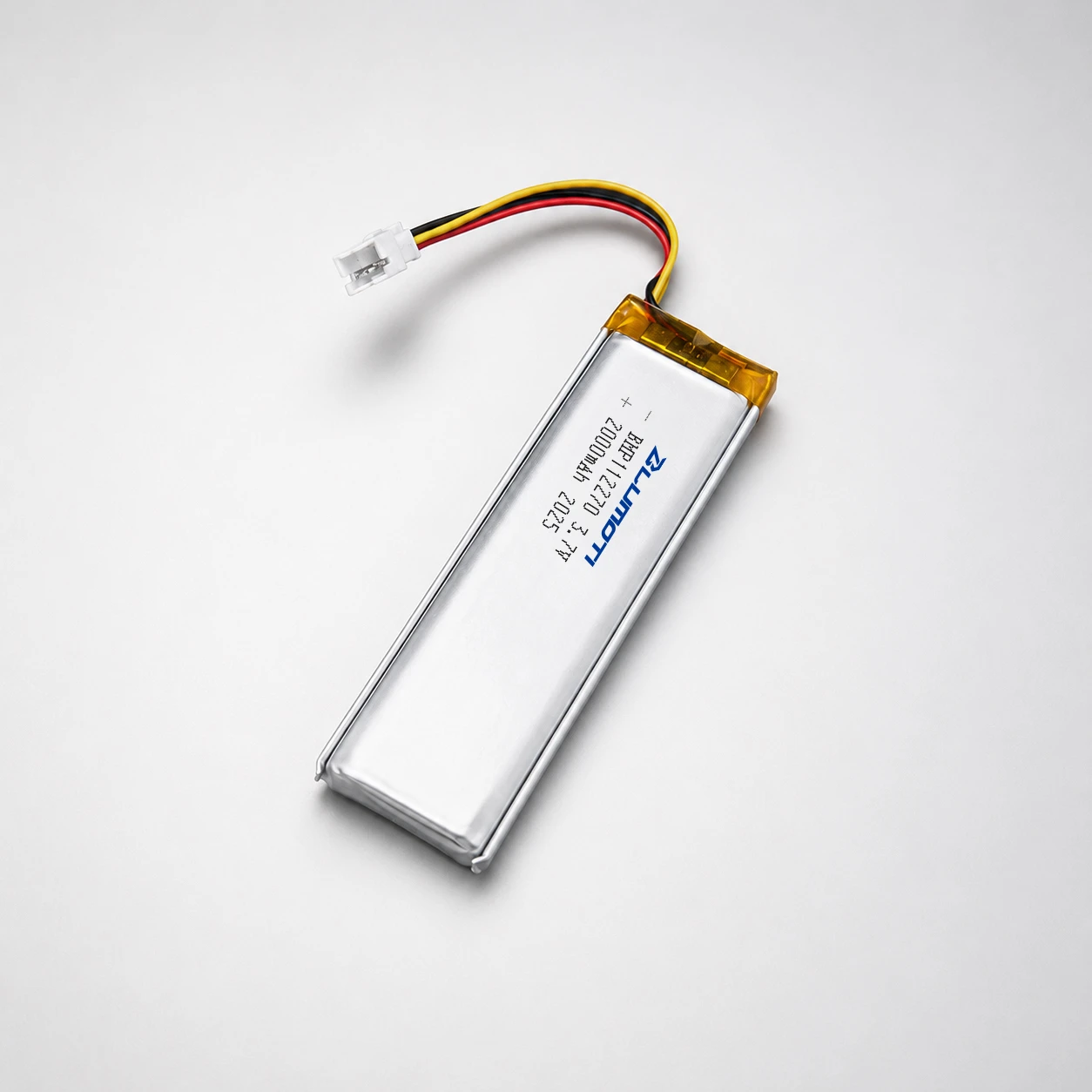


Hey there! As a supplier of lithium battery packs, I often get asked about the charging time of these powerhouses. So, let's dive right in and break it down.
First off, what affects the charging time of a lithium battery pack? Well, there are a few key factors. The capacity of the battery pack is a major one. Capacity is usually measured in milliamp - hours (mAh). A higher capacity battery pack, like a 2s 1500mAh Lithium Polymer, will generally take longer to charge than a smaller one.
Think of it like filling up a bucket. A bigger bucket takes more time to fill than a smaller one. If you have a battery pack with a large capacity, it has more energy to store, and thus, it needs more time to charge fully.
Another important factor is the charging current. This is the rate at which the battery is being charged. The relationship between capacity, charging current, and charging time is pretty straightforward. The charging time (in hours) can be calculated by dividing the battery capacity (in mAh) by the charging current (in mA).
For example, if you have a 1000mAh battery pack and you're charging it with a 500mA charger, the charging time would be 1000mAh / 500mA = 2 hours. But it's not always that simple in real - world scenarios.
The type of lithium battery also plays a role. There are different chemistries like lithium - ion (Li - ion) and lithium - polymer (Li - Po). Lithium - polymer batteries, such as the 15C High Discharge Rate Lithium Polymer Pack, often have different charging characteristics compared to lithium - ion batteries. Li - Po batteries can sometimes handle higher charging currents, which can potentially reduce the charging time.
The state of the battery when you start charging is also crucial. If the battery is almost completely drained, it will take longer to charge compared to when it's only partially depleted. And over time, as the battery ages, its charging time may increase. This is because the internal resistance of the battery goes up, which makes it harder for the charger to push the energy into the battery.
Now, let's talk about some common charging methods. There are two main types: constant - current (CC) and constant - voltage (CV) charging. In the CC phase, the charger supplies a constant current to the battery. This is the phase where most of the charging happens quickly. Once the battery reaches a certain voltage, the charger switches to the CV phase. In this phase, the voltage is kept constant, and the current gradually decreases as the battery gets closer to being fully charged.
For small rechargeable battery packs like the Small Rechargeable Battery Pack, the charging time can be relatively short. These packs usually have lower capacities, so they don't need as much energy to be fully charged. A small 500mAh battery pack might take around an hour or so to charge with a standard charger.
On the other hand, larger battery packs with capacities in the thousands of mAh can take several hours to charge. For instance, a 5000mAh battery pack could take 5 - 6 hours or more to charge, depending on the charging current.
It's also important to note that overcharging a lithium battery pack can be very dangerous. Lithium batteries are sensitive, and if they're overcharged, it can lead to overheating, swelling, or even a fire. That's why most modern chargers are designed with safety features to prevent overcharging.
Some chargers also have fast - charging capabilities. These chargers can supply a higher charging current, which can significantly reduce the charging time. However, fast - charging can also put more stress on the battery, which may reduce its lifespan. So, there's a bit of a trade - off between fast charging and battery longevity.
As a supplier, I always recommend following the manufacturer's guidelines when it comes to charging your lithium battery packs. They know the specific requirements of the battery better than anyone else. And if you're not sure about something, don't hesitate to reach out to us.
We offer a wide range of lithium battery packs, from small, portable ones to high - capacity, high - performance packs. Whether you need a battery for a small electronic device or a large - scale application, we've got you covered.


If you're in the market for lithium battery packs, we'd love to have a chat with you. We can help you choose the right battery pack for your needs, and we can also provide you with detailed information about charging times and best practices. So, don't be shy! Get in touch with us and let's start a conversation about your battery requirements.
References:
- Battery University: A great resource for in - depth information about battery technology and charging.
- Manufacturer's datasheets for specific lithium battery packs.