

Hey there! As a supplier of lithium battery cells, I often get asked about the C - rate of these batteries. So, I thought I'd take a moment to break it down for you in a simple and easy - to - understand way.
Let's start with the basics. The C - rate is a measure that tells you how fast a lithium battery cell can be charged or discharged. It's a ratio that compares the current flowing in or out of the battery to its rated capacity.
For instance, if you have a battery with a capacity of 1000mAh (milliamp - hours), a 1C rate means that the battery can be charged or discharged at a current of 1000mA. A 2C rate would mean a current of 2000mA, and a 0.5C rate would be 500mA.


Why is the C - rate so important? Well, it has a huge impact on how you can use the battery. If you're using a battery in a device that requires a high - power output, like a drone or an electric tool, you'll want a battery with a high C - rate. This allows the battery to deliver a large amount of current quickly, powering your device effectively.
On the other hand, if you're using a battery for a low - power application, like a small sensor or a remote control, a lower C - rate might be sufficient. A lower C - rate also means that the battery can be charged more slowly, which can be better for its long - term health.
Let's talk about charging. When you're charging a lithium battery cell, the C - rate determines how long it will take to fully charge the battery. For example, if you're charging a battery at a 1C rate, it will take about an hour to charge from 0% to 100% (assuming ideal conditions). If you charge it at a 2C rate, it will take about half an hour, and at a 0.5C rate, it will take about two hours.
But there's a catch. Charging a battery at a very high C - rate can generate a lot of heat. Heat is the enemy of lithium batteries because it can cause the battery to degrade faster and even pose a safety risk. So, it's important to find the right balance between charging speed and battery longevity.
Now, let's look at discharging. A high C - rate battery can discharge a large amount of current in a short period. This is great for applications where you need a sudden burst of power. For example, in an RC (radio - controlled) car, a high C - rate battery can provide the quick acceleration needed to win a race.
However, discharging a battery at a very high C - rate can also reduce its overall capacity over time. Just like with charging, you need to be careful not to push the battery too hard.
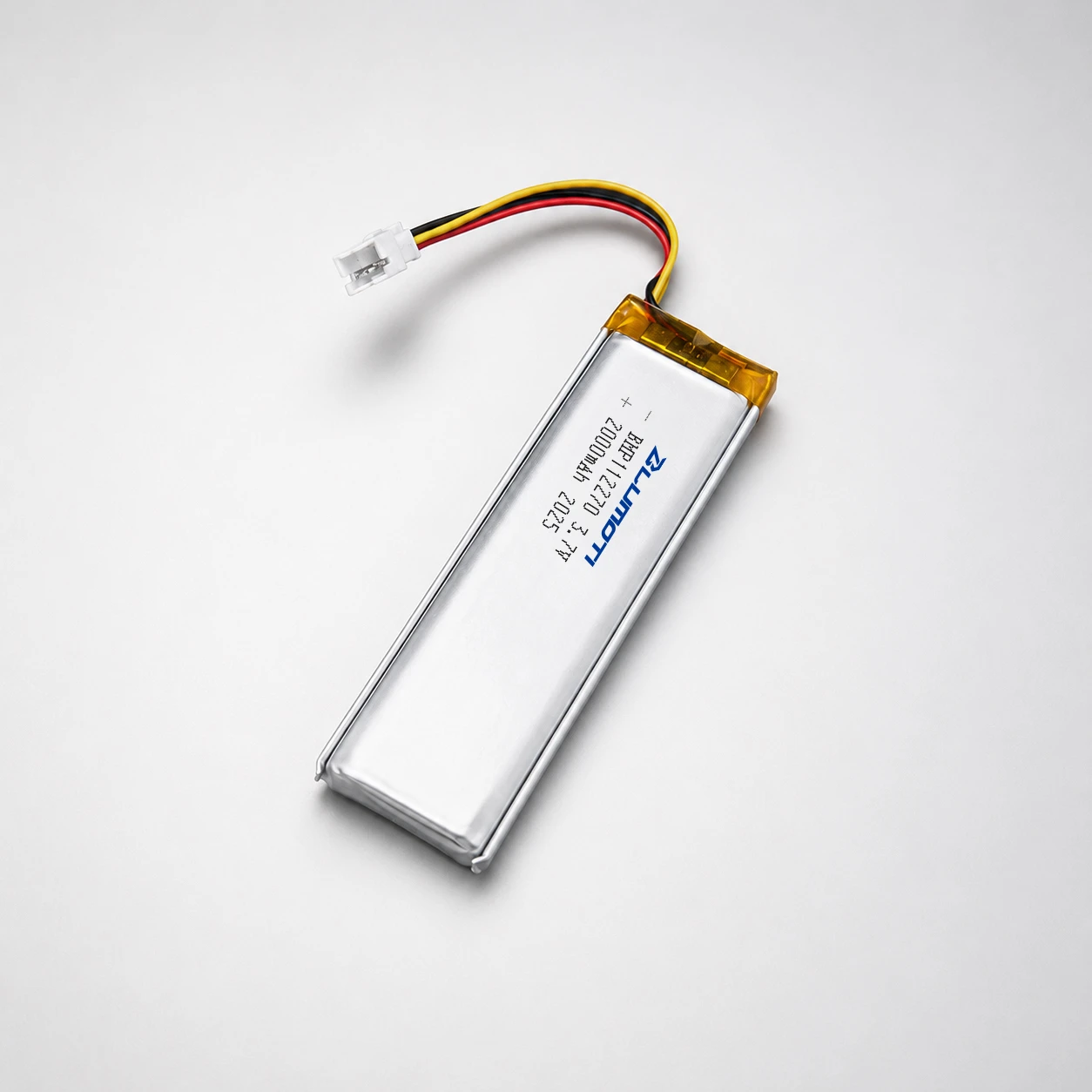
As a lithium battery cell supplier, we offer a wide range of batteries with different C - rates to meet various needs. For example, our Rechargeable Li Ion Battery 3.7V 2000mah is a great option for medium - power applications. It has a reasonable C - rate that allows for both efficient charging and discharging.
If you're looking for a battery for a small, low - power device, our 3.7v 180mah lithium polymer battery might be the perfect fit. It has a lower C - rate, which is ideal for applications where you don't need a lot of power at once.
And for those who need a small, high - performance battery, our Small lithium - ion polymer battery offers a good balance between size and C - rate. It can deliver a decent amount of power in a compact package.
When choosing a lithium battery cell, it's important to consider the C - rate along with other factors like capacity, voltage, and size. You need to make sure that the battery can meet the power requirements of your device without being over - stressed.
If you're not sure which battery is right for your application, don't worry! We're here to help. Our team of experts can provide you with detailed information and advice on choosing the best battery for your needs.
Whether you're a hobbyist building a small project or a business looking for a reliable power source for your products, we have the right lithium battery cell for you. We take pride in offering high - quality batteries that are safe, efficient, and long - lasting.
So, if you're interested in purchasing lithium battery cells, we'd love to have a chat with you. We can discuss your specific requirements and find the perfect battery solution for you. Don't hesitate to reach out and start a conversation about your battery needs.
References:
- Battery University: A great resource for learning about battery technology and performance.
- Industry reports on lithium battery research and development.