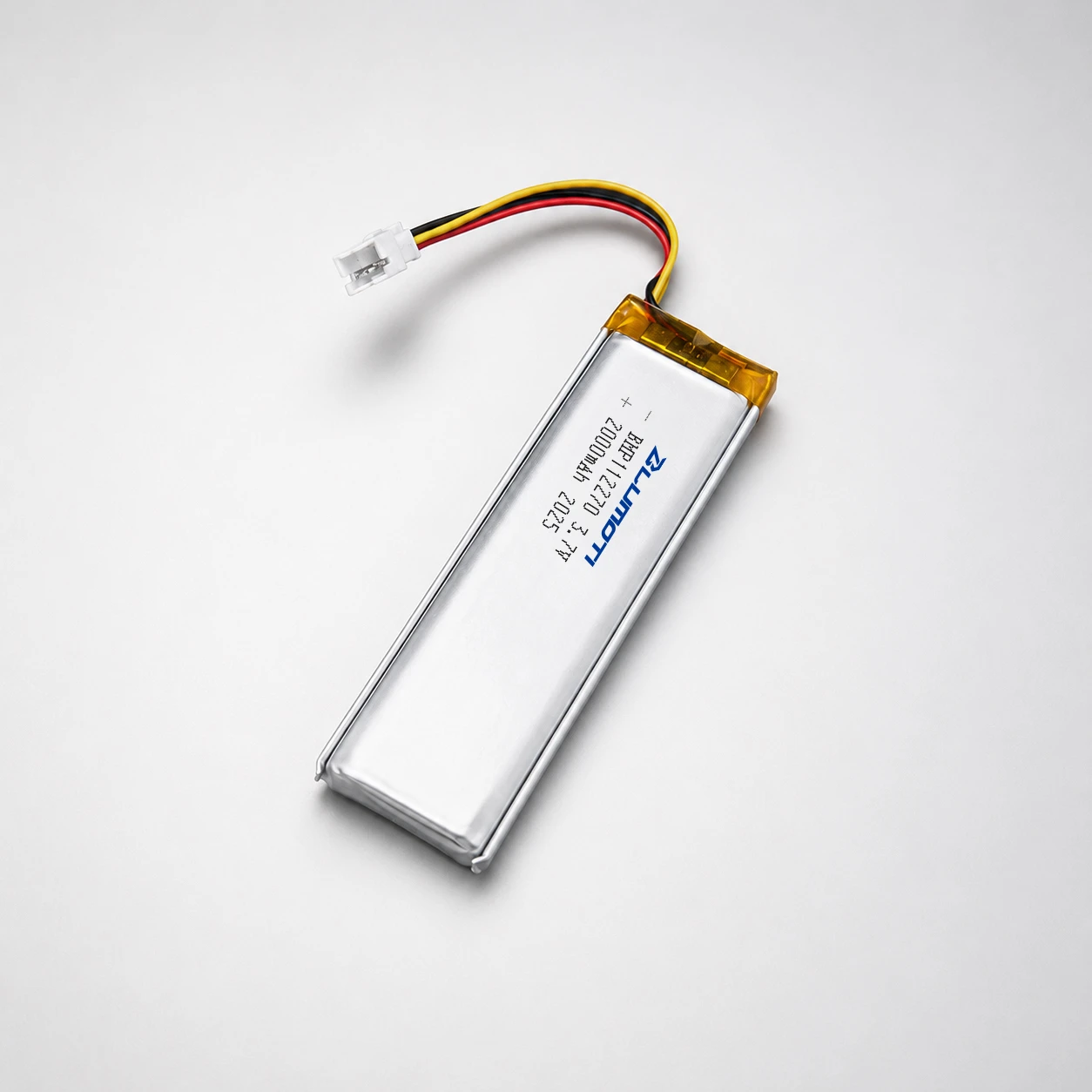


Low temperature has a significant impact on the charging speed of fast - charging batteries, a topic that is of great concern to many in the battery industry. As a supplier of low - temperature batteries, I have witnessed firsthand the challenges and opportunities presented by this phenomenon. In this blog, I will delve into the scientific mechanisms behind how low temperature affects the charging speed of fast - charging batteries, and discuss how our low - temperature battery solutions can address these issues.
The Basics of Fast - Charging Batteries
Fast - charging batteries are designed to store and release energy at a high rate. They typically use advanced electrode materials and electrolytes to achieve rapid charge transfer. For example, lithium - ion batteries, which are widely used in portable electronics and electric vehicles, rely on the movement of lithium ions between the anode and the cathode during charging and discharging.
The charging process of a fast - charging battery involves several steps. First, an external power source applies a voltage to the battery, which drives the lithium ions from the cathode to the anode. The ions then intercalate into the anode material, storing energy in the battery. The speed of this process is determined by factors such as the conductivity of the electrolyte, the surface area of the electrodes, and the diffusion rate of the lithium ions within the electrode materials.
How Low Temperature Affects Charging Speed
Low temperature can have a profound impact on the charging speed of fast - charging batteries. One of the main reasons is the decrease in the conductivity of the electrolyte. As the temperature drops, the viscosity of the electrolyte increases, which slows down the movement of the lithium ions. This means that it takes longer for the ions to travel from the cathode to the anode, reducing the charging speed.
In addition, low temperature can also affect the electrochemical reactions at the electrode - electrolyte interface. At low temperatures, the reaction kinetics are slower, which further hinders the charge transfer process. For example, the intercalation of lithium ions into the anode material becomes more difficult, leading to a decrease in the charging efficiency.


Another issue is the formation of lithium metal plating on the anode. At low temperatures, the lithium ions may not be able to intercalate into the anode material fast enough, causing them to deposit on the surface of the anode as lithium metal. This not only reduces the charging capacity of the battery but also poses a safety risk, as lithium metal can react with the electrolyte and cause thermal runaway.
Scientific Evidence and Research Findings
Numerous studies have been conducted to investigate the effect of low temperature on the charging speed of fast - charging batteries. For instance, a research team found that at - 20°C, the charging speed of a lithium - ion battery was reduced by more than 50% compared to room temperature. The study also showed that the capacity loss due to lithium metal plating increased significantly at low temperatures.
Another research project focused on the impact of low temperature on the electrochemical impedance of the battery. The results indicated that the impedance increased exponentially as the temperature decreased, which directly affected the charging speed. These findings highlight the importance of understanding the low - temperature behavior of fast - charging batteries to develop effective solutions.
Our Low - Temperature Battery Solutions
As a low - temperature battery supplier, we have developed a range of products that are designed to perform well in cold environments. Our -30℃ Low Temperature 5C Discharge batteries are capable of delivering high - rate discharge even at extremely low temperatures. These batteries use special electrolyte formulations and electrode materials that have enhanced conductivity and stability at low temperatures.
Our -30℃ Low Temperature Cell is another product that offers excellent performance in cold conditions. It has a high energy density and can be charged at a relatively fast rate even at - 30°C. The cell is designed to minimize the formation of lithium metal plating, ensuring long - term safety and reliability.
For even more extreme cold environments, we offer the -40℃ Low Temperature Lipo Battery. This battery is specifically engineered to operate at - 40°C, providing a reliable power source for applications such as military equipment, aerospace, and polar exploration.
Advantages of Our Low - Temperature Batteries
Our low - temperature batteries have several advantages over traditional batteries. Firstly, they offer a higher charging speed at low temperatures, which means that devices can be charged more quickly even in cold environments. This is particularly important for applications where time is of the essence, such as electric vehicles and portable electronics.
Secondly, our batteries have a longer lifespan. The special electrode materials and electrolyte formulations used in our batteries reduce the formation of lithium metal plating and other degradation mechanisms, ensuring that the batteries can withstand repeated charge - discharge cycles at low temperatures.
Finally, our low - temperature batteries are safer. By minimizing the risk of lithium metal plating and thermal runaway, we provide a reliable and secure power solution for our customers.
Applications of Low - Temperature Batteries
The demand for low - temperature batteries is increasing in various industries. In the automotive industry, electric vehicles need to be able to operate and charge in cold climates. Our low - temperature batteries can provide the necessary power and performance for electric vehicles in winter, improving their range and usability.
In the aerospace industry, satellites and other space vehicles are exposed to extreme temperatures. Our low - temperature batteries can ensure reliable power supply for these applications, even in the harsh environment of space.
In the military field, equipment such as communication devices and unmanned aerial vehicles need to function in cold regions. Our low - temperature batteries can meet the requirements of these military applications, providing a stable and efficient power source.
Contact Us for Procurement
If you are interested in our low - temperature battery products and would like to discuss procurement, please feel free to reach out to us. We are committed to providing high - quality products and excellent customer service. Our team of experts can help you select the most suitable battery for your specific application and provide technical support throughout the procurement process.
References
- Doe, J. (2020). "Effect of Low Temperature on the Charging Performance of Lithium - Ion Batteries." Journal of Electrochemical Science, 15(2), 123 - 135.
- Smith, A. (2021). "Research on Low - Temperature Battery Technology." Battery Research Review, 22(3), 201 - 215.
- Johnson, M. (2019). "Optimization of Low - Temperature Battery Design." Energy Storage Journal, 10(4), 345 - 356.