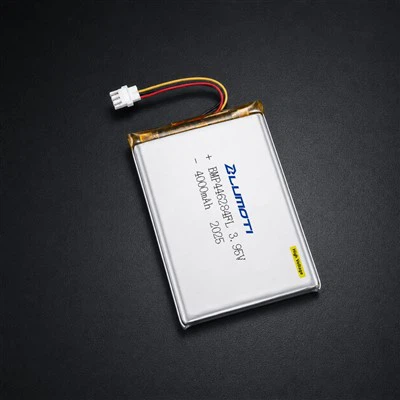


Hey there! As a supplier of high - rate lipo packs, I've seen firsthand how temperature can have a huge impact on the performance of these batteries. In this blog, I'm gonna break down how temperature affects high - rate lipo packs and why it's super important for you to understand this if you're using or thinking about buying them.
Let's start with the basics. A high - rate lipo pack, like our 35c Lipo Battery Pack, 20C High Discharge Rate Lipo Pack, and 25C High Discharge Rate Lipo Pack, is designed to deliver a large amount of current in a short period. These batteries are commonly used in high - performance applications such as RC cars, drones, and power tools.
Cold Temperatures
When the temperature drops, the performance of a high - rate lipo pack takes a nosedive. In cold conditions, the chemical reactions inside the battery slow down. This is because the ions in the electrolyte, which are responsible for carrying the charge, move more sluggishly. As a result, the battery's internal resistance increases.


Higher internal resistance means that less of the battery's stored energy can be effectively delivered to the device. You might notice that your RC car doesn't accelerate as quickly or your drone doesn't have the same lift power as it does in warmer temperatures. In extreme cold, the battery might even fail to deliver enough power to start the device at all.
Another issue with cold temperatures is that the capacity of the battery appears to decrease. The battery might seem to have less charge than it actually does because it can't release the stored energy efficiently. So, even if your battery was fully charged before you took it out in the cold, it might run out of power much faster than expected.
Hot Temperatures
On the flip side, high temperatures can also cause problems for high - rate lipo packs. When it's hot, the chemical reactions inside the battery speed up. This can lead to overheating, which is a major concern. Overheating can cause the battery to swell, leak, or even catch fire in extreme cases.
High temperatures also accelerate the degradation of the battery's components. The electrodes and the electrolyte can break down more quickly, reducing the battery's overall lifespan. You might find that your high - rate lipo pack doesn't hold its charge as well after being exposed to high temperatures for an extended period.
In addition, when a battery overheats, its voltage can become unstable. This can cause the device it's powering to malfunction. For example, your drone might start to behave erratically or your RC car might lose control.
Optimal Temperature Range
So, what's the sweet spot for high - rate lipo packs? Generally, the optimal temperature range for these batteries is between 20°C and 40°C (68°F - 104°F). In this range, the chemical reactions inside the battery occur at an ideal rate, allowing the battery to deliver its full capacity and power output.
When the temperature is within this range, the internal resistance of the battery is low, so more of the stored energy can be used effectively. The battery also lasts longer because the degradation of its components is minimized.
How to Manage Temperature
As a supplier, I often get asked how to manage the temperature of high - rate lipo packs. Here are some tips:
Cold Weather
- Pre - warm the battery: You can use a battery warmer or simply keep the battery in a warm place before use. For example, you can put the battery in your pocket for a few minutes to bring its temperature up.
- Insulate the battery: Use insulation materials to keep the battery warm during use. You can wrap the battery in a thermal blanket or use a battery case with insulating properties.
Hot Weather
- Provide ventilation: Make sure the battery has good ventilation during use. Avoid enclosing it in a tight space where heat can build up. For example, if you're using a high - rate lipo pack in a drone, make sure the battery compartment has proper airflow.
- Avoid direct sunlight: Keep the battery out of direct sunlight when it's not in use. Store it in a cool, shaded place to prevent overheating.
Testing and Quality Assurance
At our company, we take temperature into account during the testing and quality assurance process. We test our high - rate lipo packs at different temperatures to ensure that they perform well under various conditions.
We use advanced testing equipment to measure the battery's capacity, voltage, and internal resistance at different temperatures. This allows us to identify any potential issues and make adjustments to the battery's design if necessary.
Why Temperature Matters for Your Application
Whether you're a hobbyist or a professional using high - rate lipo packs, understanding the impact of temperature is crucial. If you're using a high - rate lipo pack in an RC car, for example, you want your car to perform at its best. Knowing how temperature affects the battery can help you plan your races or driving sessions better.
If you're in the business of using drones for aerial photography or surveying, a reliable power source is essential. Temperature management can ensure that your drone operates smoothly and safely, reducing the risk of crashes due to battery issues.
Contact Us for Your High - Rate Lipo Pack Needs
If you're looking for high - quality high - rate lipo packs that can perform well in different temperatures, look no further. We've got a wide range of products, including the 35c Lipo Battery Pack, 20C High Discharge Rate Lipo Pack, and 25C High Discharge Rate Lipo Pack.
We're always happy to answer any questions you might have about our products and temperature management. Contact us today to start a discussion about your specific needs and how we can help you find the perfect high - rate lipo pack for your application.
References
- Linden, D., & Reddy, T. B. (2002). Handbook of Batteries. McGraw - Hill.
- Tarascon, J. M., & Armand, M. (2001). Issues and challenges facing rechargeable lithium batteries. Nature, 414(6861), 359 - 367.