

In the realm of modern energy storage solutions, high capacity LiPo (Lithium Polymer) cells have emerged as a cornerstone technology, powering a wide array of applications from consumer electronics to electric vehicles. As a leading supplier of high capacity LiPo cells, I am often asked about the typical voltage range of these cells. In this blog post, I will delve into the technical details of high capacity LiPo cells, explore their voltage characteristics, and discuss the implications for various applications.
Understanding LiPo Cells
Before we dive into the voltage range, it's important to understand the basic structure and working principle of LiPo cells. LiPo cells are a type of rechargeable battery that uses a polymer electrolyte instead of a liquid electrolyte found in traditional lithium-ion batteries. This polymer electrolyte allows for greater flexibility in cell design, enabling the production of thin, lightweight, and high-capacity batteries.
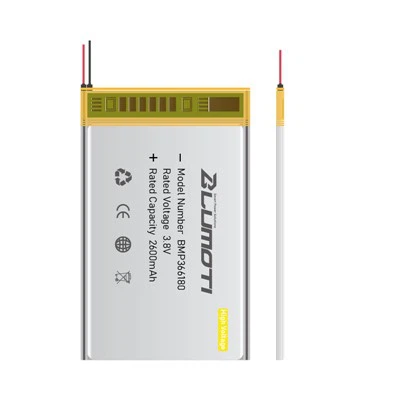
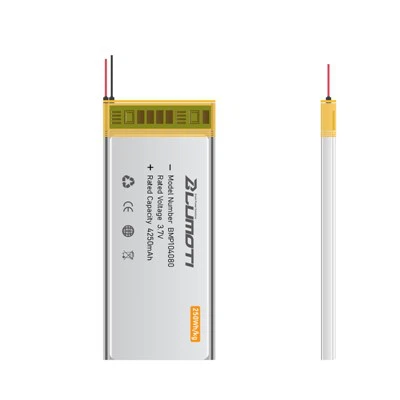
The basic unit of a LiPo battery is a single cell, which typically has a nominal voltage of 3.7V. However, the actual voltage of a LiPo cell can vary depending on its state of charge (SOC). When fully charged, a LiPo cell can reach a voltage of around 4.2V, while when fully discharged, it can drop to around 3.0V. It's important to note that operating a LiPo cell outside of this voltage range can lead to reduced battery life, performance degradation, and even safety risks.
Typical Voltage Range of High Capacity LiPo Cells
High capacity LiPo cells are designed to store a large amount of energy, making them suitable for applications that require long run times and high power output. The typical voltage range of high capacity LiPo cells is similar to that of standard LiPo cells, with a nominal voltage of 3.7V and a fully charged voltage of around 4.2V. However, due to their higher capacity, high capacity LiPo cells may have a slightly lower discharge voltage, typically around 3.2V to 3.3V when fully discharged.
It's important to note that the voltage range of high capacity LiPo cells can vary depending on the specific application and the manufacturer's specifications. Some high capacity LiPo cells may have a higher nominal voltage, such as 3.8V or 3.85V, which can provide a higher energy density and longer run times. Additionally, some high capacity LiPo cells may be designed for specific applications, such as high-power applications or low-temperature environments, which may require a different voltage range.
Factors Affecting the Voltage Range of High Capacity LiPo Cells
Several factors can affect the voltage range of high capacity LiPo cells, including the state of charge, temperature, and load. Let's take a closer look at each of these factors:
- State of Charge (SOC): The state of charge of a LiPo cell refers to the amount of energy stored in the cell. As the cell discharges, its voltage decreases, and as it charges, its voltage increases. The voltage range of a LiPo cell is typically specified based on its fully charged and fully discharged states.
- Temperature: The temperature of a LiPo cell can also affect its voltage range. At low temperatures, the voltage of a LiPo cell may decrease, while at high temperatures, the voltage may increase. It's important to operate LiPo cells within the recommended temperature range to ensure optimal performance and safety.
- Load: The load on a LiPo cell refers to the amount of current drawn from the cell. As the load increases, the voltage of the cell may decrease due to internal resistance. It's important to choose a LiPo cell with a sufficient capacity and discharge rate to meet the requirements of the application.
Applications of High Capacity LiPo Cells
High capacity LiPo cells are used in a wide range of applications, including consumer electronics, electric vehicles, drones, and renewable energy systems. Let's take a closer look at some of the common applications of high capacity LiPo cells:
- Consumer Electronics: High capacity LiPo cells are commonly used in smartphones, tablets, laptops, and other portable electronic devices. These cells provide a high energy density and long run times, making them ideal for powering these devices.
- Electric Vehicles: High capacity LiPo cells are also used in electric vehicles, providing the power needed to drive the vehicle. These cells offer a high energy density and fast charging times, making them a popular choice for electric vehicle manufacturers.
- Drones: High capacity LiPo cells are used in drones to provide the power needed to fly. These cells offer a high energy density and long flight times, making them ideal for use in drones.
- Renewable Energy Systems: High capacity LiPo cells are used in renewable energy systems, such as solar and wind power systems, to store energy for later use. These cells offer a high energy density and long cycle life, making them a popular choice for renewable energy applications.
Choosing the Right High Capacity LiPo Cell
When choosing a high capacity LiPo cell, it's important to consider several factors, including the voltage range, capacity, discharge rate, and safety features. Here are some tips to help you choose the right high capacity LiPo cell for your application:
- Voltage Range: Make sure the voltage range of the LiPo cell is compatible with your application. If you're using a device that requires a specific voltage, make sure the LiPo cell can provide that voltage.
- Capacity: Choose a LiPo cell with a capacity that meets the requirements of your application. If you need a long run time, choose a LiPo cell with a higher capacity.
- Discharge Rate: Make sure the LiPo cell has a sufficient discharge rate to meet the requirements of your application. If you're using a device that requires a high current, choose a LiPo cell with a higher discharge rate.
- Safety Features: Look for LiPo cells that have built-in safety features, such as overcharge protection, over-discharge protection, and short-circuit protection. These features can help prevent damage to the cell and ensure safe operation.
Conclusion
In conclusion, high capacity LiPo cells are a powerful and versatile energy storage solution that offers a high energy density, long run times, and fast charging times. The typical voltage range of high capacity LiPo cells is similar to that of standard LiPo cells, with a nominal voltage of 3.7V and a fully charged voltage of around 4.2V. However, the voltage range can vary depending on the specific application and the manufacturer's specifications. When choosing a high capacity LiPo cell, it's important to consider several factors, including the voltage range, capacity, discharge rate, and safety features.


As a leading supplier of high capacity LiPo cells, we offer a wide range of products to meet the needs of various applications. Our High Voltage Lipo Battery is designed to provide a higher energy density and longer run times, while our Lithium Ion Polymer Battery 3.7V 500mAh and 3.7 V 100mAh Lipo Battery are ideal for small-scale applications. If you're interested in learning more about our products or have any questions, please don't hesitate to contact us. We're here to help you find the right high capacity LiPo cell for your application.
References
- "Lithium Polymer Batteries: Principles, Performance, and Applications" by John B. Goodenough and Yutaka Tsutsumi
- "Battery Technology Handbook" by David Linden and Thomas B. Reddy
- "Handbook of Batteries" by David Linden and Thomas B. Reddy