

Hey there, folks! As a supplier of semi - solid lipo batteries, I often get asked about whether these nifty power sources are compatible with the existing charging infrastructure. So, let's dive right into this topic and break it down.
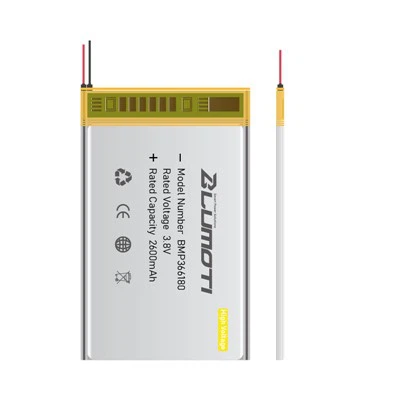
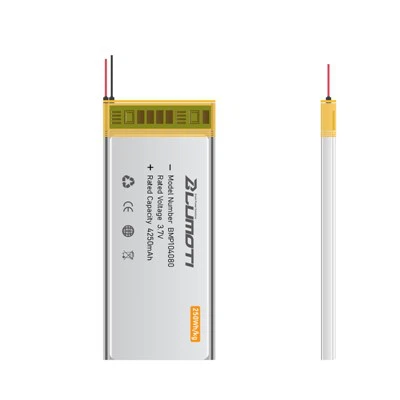
First off, what exactly are semi - solid lipo batteries? Well, they're a step up from traditional lithium - ion batteries. They use a semi - solid electrolyte, which offers a bunch of advantages. For one, they have a higher energy density. We're talking about some seriously powerful stuff here. For example, we offer 260Wh/kg Semi - solid Lipo Battery, 280Wh/kg Semi - solid Lipo Battery, and 330Wh/kg Semi - solid Lipo Battery. These high - energy densities mean that they can store more power in a smaller space, which is a game - changer for a lot of applications.


Now, onto the big question: compatibility with existing charging infrastructure. The short answer is, it depends. Most of the existing charging infrastructure is designed for traditional lithium - ion batteries. These chargers are calibrated to work with the specific voltage and current requirements of those batteries. Semi - solid lipo batteries, on the other hand, have slightly different characteristics.
The voltage and current requirements of semi - solid lipo batteries are generally in the same ballpark as traditional lithium - ion batteries. This means that in many cases, they can be charged using existing chargers. However, there are some important caveats.
One of the main differences is the charging speed. Semi - solid lipo batteries can often handle faster charging rates due to their improved electrolyte design. But existing chargers might not be optimized for these faster rates. If you try to charge a semi - solid lipo battery too slowly, it might take longer to reach a full charge. And if you use a charger that's not compatible, it could potentially damage the battery.
Another factor to consider is the safety features. Semi - solid lipo batteries have different safety profiles compared to traditional lithium - ion batteries. They're generally more stable, but existing chargers might not have the right safety mechanisms in place to fully protect the semi - solid lipo batteries. For example, they might not be able to detect overcharging or overheating as effectively.
So, what can be done to make semi - solid lipo batteries more compatible with existing charging infrastructure? One option is to develop adapter kits. These kits can be used to modify existing chargers so that they can work with semi - solid lipo batteries. They can adjust the voltage and current output to match the requirements of the semi - solid lipo batteries.
Another approach is to work with charger manufacturers to develop new chargers that are specifically designed for semi - solid lipo batteries. This would ensure that the chargers are optimized for the unique characteristics of these batteries, including their faster charging rates and different safety requirements.
In some industries, like the automotive industry, there's a push to standardize charging protocols. This could help make semi - solid lipo batteries more compatible with existing charging stations. If the charging protocols are standardized, it would be easier for semi - solid lipo batteries to be charged at different locations without any compatibility issues.
Let's talk about the benefits of using semi - solid lipo batteries, even with the compatibility challenges. As I mentioned earlier, their high energy density is a huge plus. This means that devices can run for longer on a single charge. For electric vehicles, it could mean longer driving ranges, which is a major selling point.
They're also more environmentally friendly. Semi - solid lipo batteries have a longer lifespan compared to traditional lithium - ion batteries. This means that fewer batteries need to be produced and disposed of, reducing the environmental impact.
In addition, semi - solid lipo batteries are generally safer. The semi - solid electrolyte is less flammable than the liquid electrolyte used in traditional lithium - ion batteries. This reduces the risk of fires and explosions, which is a major concern, especially in applications like electric vehicles.
So, despite the compatibility challenges, the benefits of semi - solid lipo batteries make them a very attractive option. If you're in the market for high - performance batteries, I highly recommend considering semi - solid lipo batteries.
If you're interested in learning more about our semi - solid lipo batteries or have any questions about compatibility and charging, don't hesitate to reach out. We're here to help you make the right choice for your needs. Whether you're a manufacturer looking to integrate these batteries into your products or an end - user looking for a better power solution, we can provide you with the information and support you need.
Let's work together to embrace the future of energy storage with semi - solid lipo batteries!
References:
- Research papers on semi - solid lipo battery technology
- Industry reports on battery charging infrastructure and compatibility