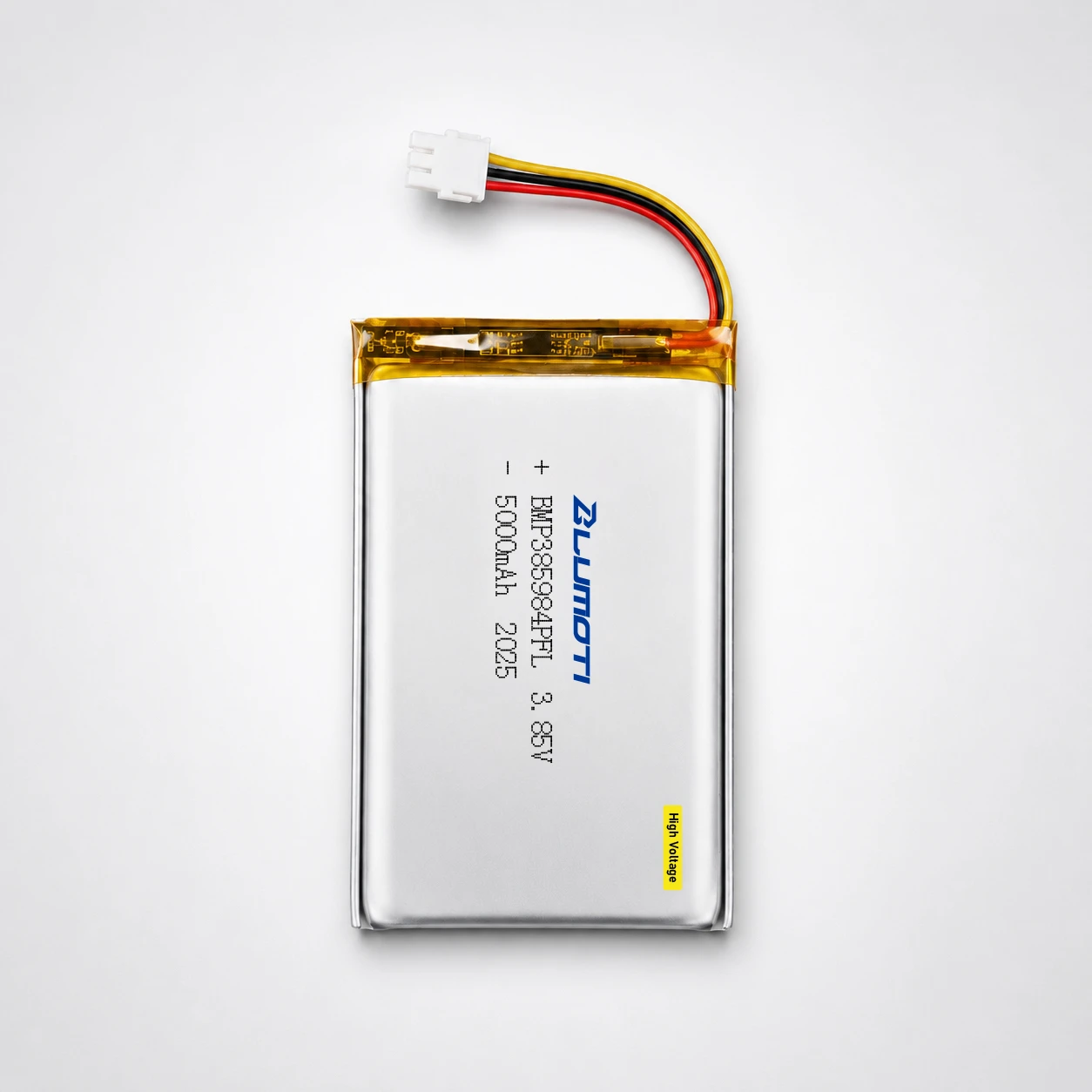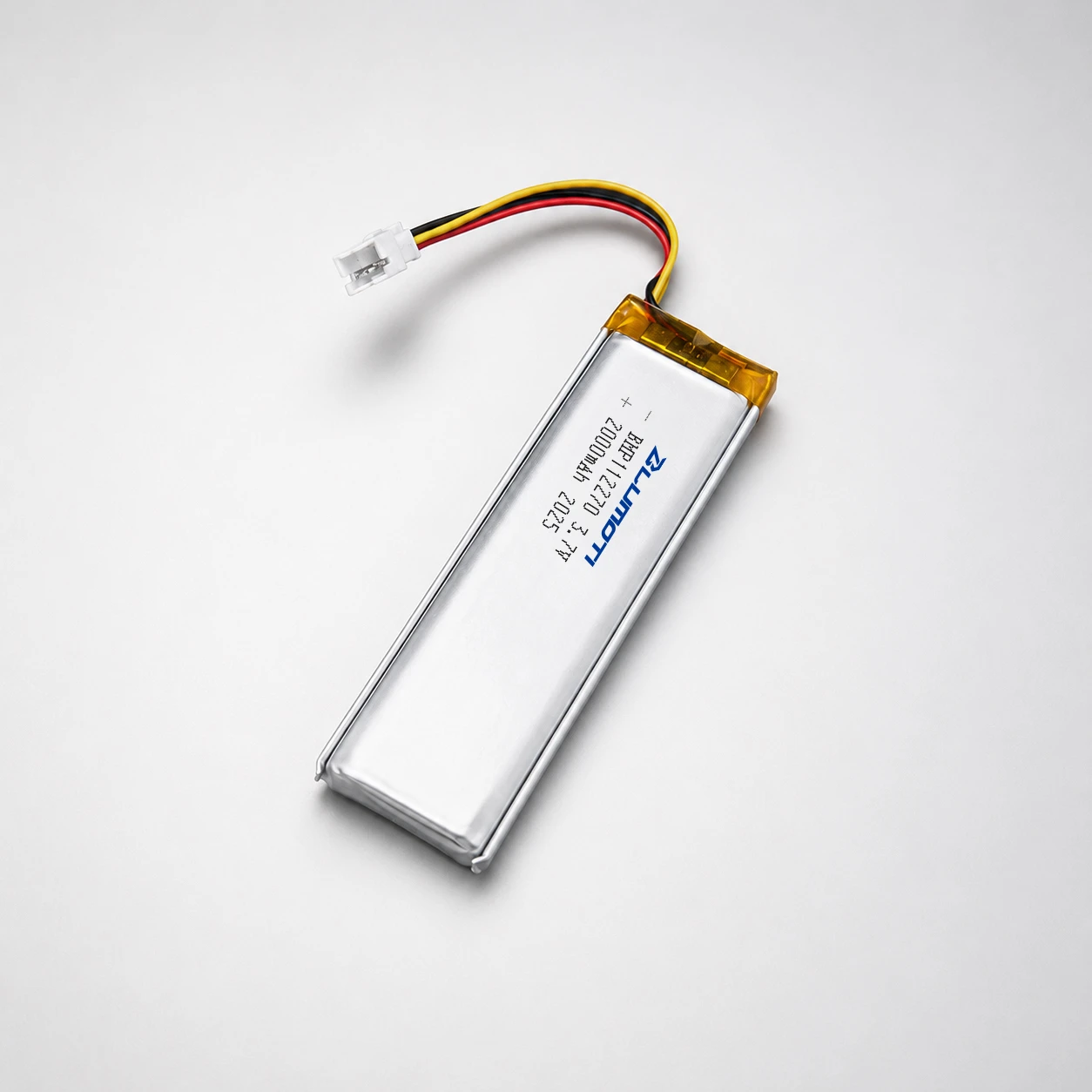

As the foundation of the unmanned aerial vehicle (UAV) power system, the UAV battery's function extends beyond simple energy storage and supply. It also undertakes multiple responsibilities, including stable output, status awareness, and safety protection, directly determining the operational reliability and mission completion rate of the flight platform. Understanding its fundamental functions helps in grasping key aspects of UAV design and application.
The most basic function is energy storage and conversion. The UAV battery stores electrical energy as chemical energy through a chemical reaction and converts it into direct current (DC) energy as needed during flight to power the motor drive, flight control system, sensors, and mission payload. The efficiency and capacity of this process directly affect flight time and the types of missions that can be carried out; therefore, a proper match between energy density and capacity is the first element of functional design.
The second is stable power output. The current demand of a UAV fluctuates significantly during takeoff, climb, cruise, maneuvering, and hovering. Especially when dealing with gusts of wind or performing sharp turns, the battery needs to provide a high-rate current for a short period. The battery must possess excellent discharge characteristics and low internal resistance to ensure stable and timely power output, thereby preventing sudden changes in motor speed or flight control instability.
Thirdly, condition monitoring and information management are crucial. Modern drone batteries commonly integrate a Battery Management System (BMS), which can collect parameters such as voltage, temperature, and charge/discharge current of each cell in real time, and calculate remaining capacity and health status. This function not only provides users with accurate power indications but also predicts potential risks, providing a reliable basis for flight plan formulation and adjustment.
Fourthly, safety protection and control are essential. Under abnormal conditions such as overcharging, over-discharging, short circuits, overheating, or physical damage, batteries may experience a sharp decline in performance or even safety accidents. The BMS and safety circuits can quickly cut off or limit current upon detecting abnormalities, preventing thermal runaway and fire/explosion. Simultaneously, the outer casing structure and internal buffer design provide fundamental protection against mechanical shocks and environmental factors.
Fifthly, charge/discharge cycles and lifespan management are vital. Batteries need to maintain stable performance through multiple charge/discharge cycles. Reasonable charge/discharge strategies and equalization management can slow capacity decay and extend lifespan. This not only reduces operating costs but also minimizes the environmental impact of discarded batteries, aligning with the requirements of sustainable operations.
Overall, the functional foundation of drone batteries encompasses energy supply, power support, status awareness, safety protection, and lifespan management. These functions work together to form the core energy source supporting the safe, stable, and efficient flight of drones, and optimizing its performance remains a crucial direction for drone technology advancement.