
In the rapid development of the drone industry, batteries, as the core power unit, directly impact flight performance and mission adaptability due to differences in type and specifications.Drone batteries with different technological approaches, structural designs, and performance orientations exhibit significant differences in energy density, discharge characteristics, safety mechanisms, and applicable scenarios. Clarifying these differences helps in accurately matching demand and supply, optimizing overall drone design and operational efficiency.
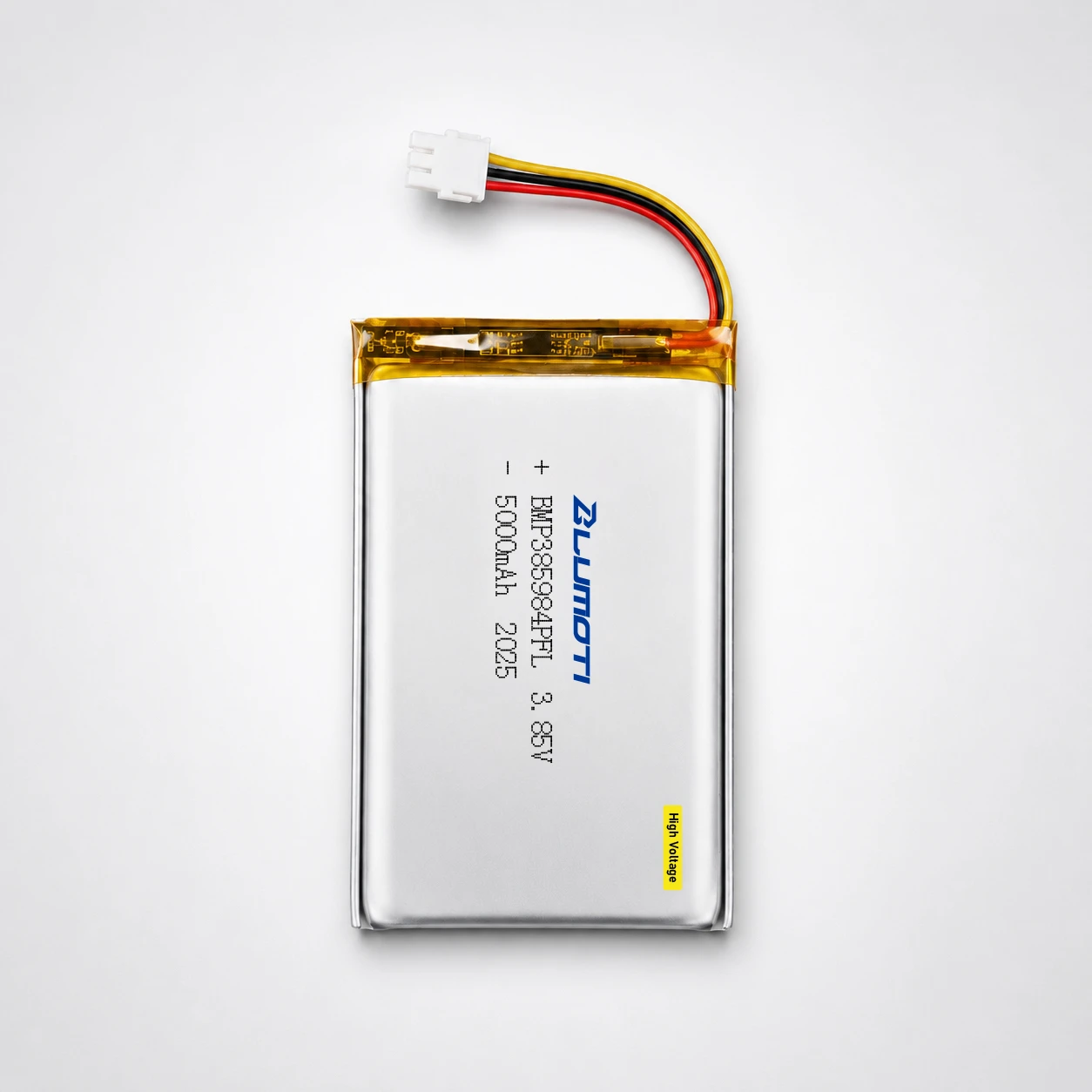
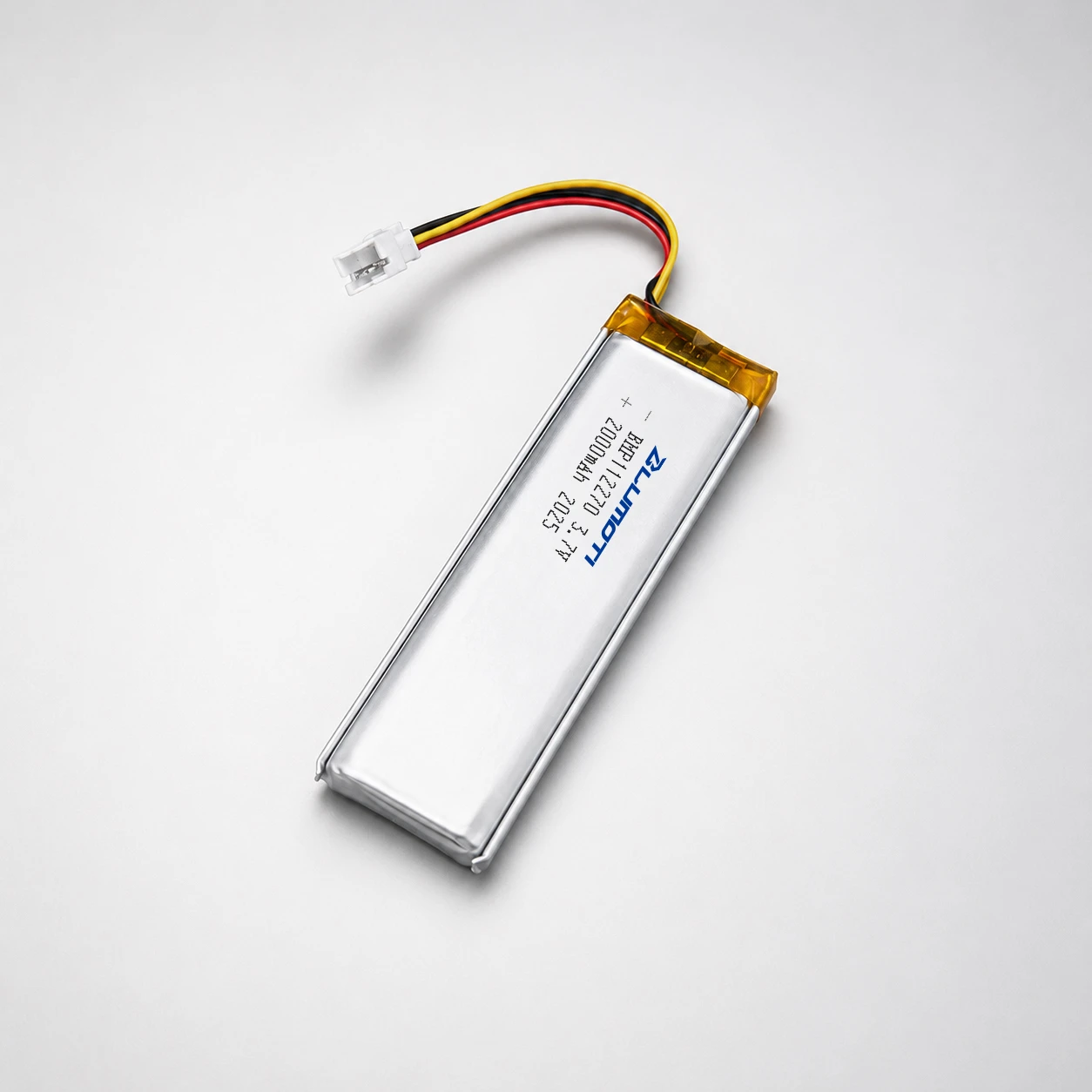
From a chemical perspective, mainstream drone batteries are primarily lithium polymer batteries (LiPo), which utilize pouch cells, offering high energy density, lightweight construction, and flexible form factors. This allows for flexible layout within confined spaces, making them suitable for drones sensitive to weight and space constraints, such as those used for aerial photography, racing, and lightweight operations. In contrast, lithium iron phosphate batteries (LiFePO₄), while having slightly lower energy density, possess superior thermal stability and cycle life, demonstrating higher safety and reliability in high-temperature environments or scenarios requiring frequent charging and discharging, such as industrial inspections and logistics delivery. Some emerging research directions are exploring solid-state batteries, aiming for comprehensive breakthroughs in energy density, safety, and fast charging capabilities; however, they have not yet entered the large-scale practical application stage.
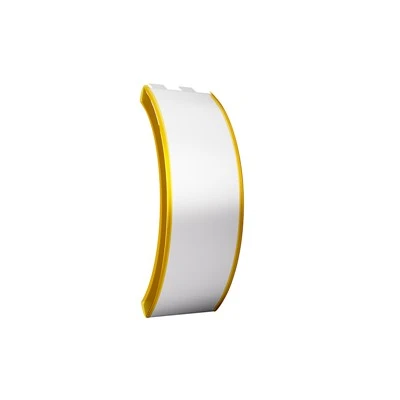
In terms of structural form, standardized batteries are mostly regular cuboids, facilitating mass production and universal replacement; while custom-shaped batteries are designed with non-standard contours based on the spatial characteristics of the aircraft model, optimizing the center of gravity distribution and aerodynamic layout, and are commonly found in special drones or platforms requiring the integration of special payloads. Pouch cells, lacking a rigid outer shell, have relatively weak impact resistance and require external cushioning for fixation; metal or composite material hard-shell batteries offer advantages in protection and structural strength, suitable for high-vibration, harsh environment operations.
Differences in performance parameters mainly lie in the trade-off between capacity, discharge rate, and cycle life. High-capacity batteries extend endurance but often increase size and weight, and have limited rate performance, suitable for long-duration surveying or monitoring tasks; high-rate batteries support instantaneous high-power output, meeting the needs of rapid maneuverability and heavy-load takeoff and landing, and are often used in racing drones or emergency response platforms. Differences in cycle life directly impact usage costs. Long-life batteries are better suited for high-frequency commercial operations, while low-cost solutions are preferable for short-cycle, one-off, or experimental missions.
Safety mechanisms also differ. Entry-level or consumer-grade drone batteries often rely on basic BMS for overcharge, over-discharge, and overcurrent protection; industrial and professional-grade products are equipped with more comprehensive monitoring and redundant control, including multi-point temperature monitoring, cell balancing management, and fault warnings. They also incorporate fire-resistant, explosion-proof, and impact-resistant designs to address potential risks under complex operating conditions.
Overall, the differences in technology, structure, performance focus, and safety features of drone batteries reflect the differentiated requirements for energy, power, durability, and reliability across various application scenarios. Understanding and effectively utilizing these differences allows for optimal performance-cost matching in design and selection, driving drone operations towards greater efficiency, safety, and professionalism.