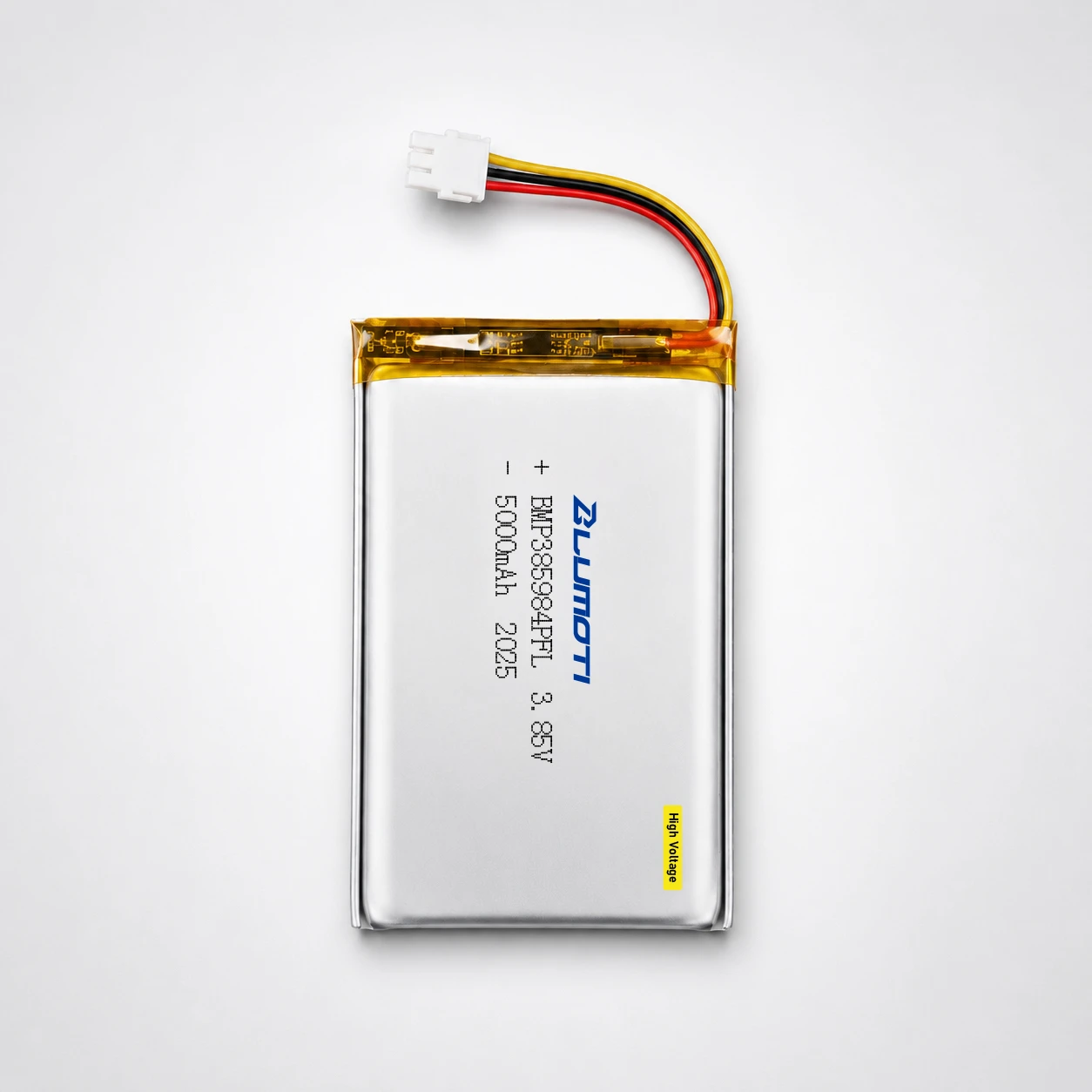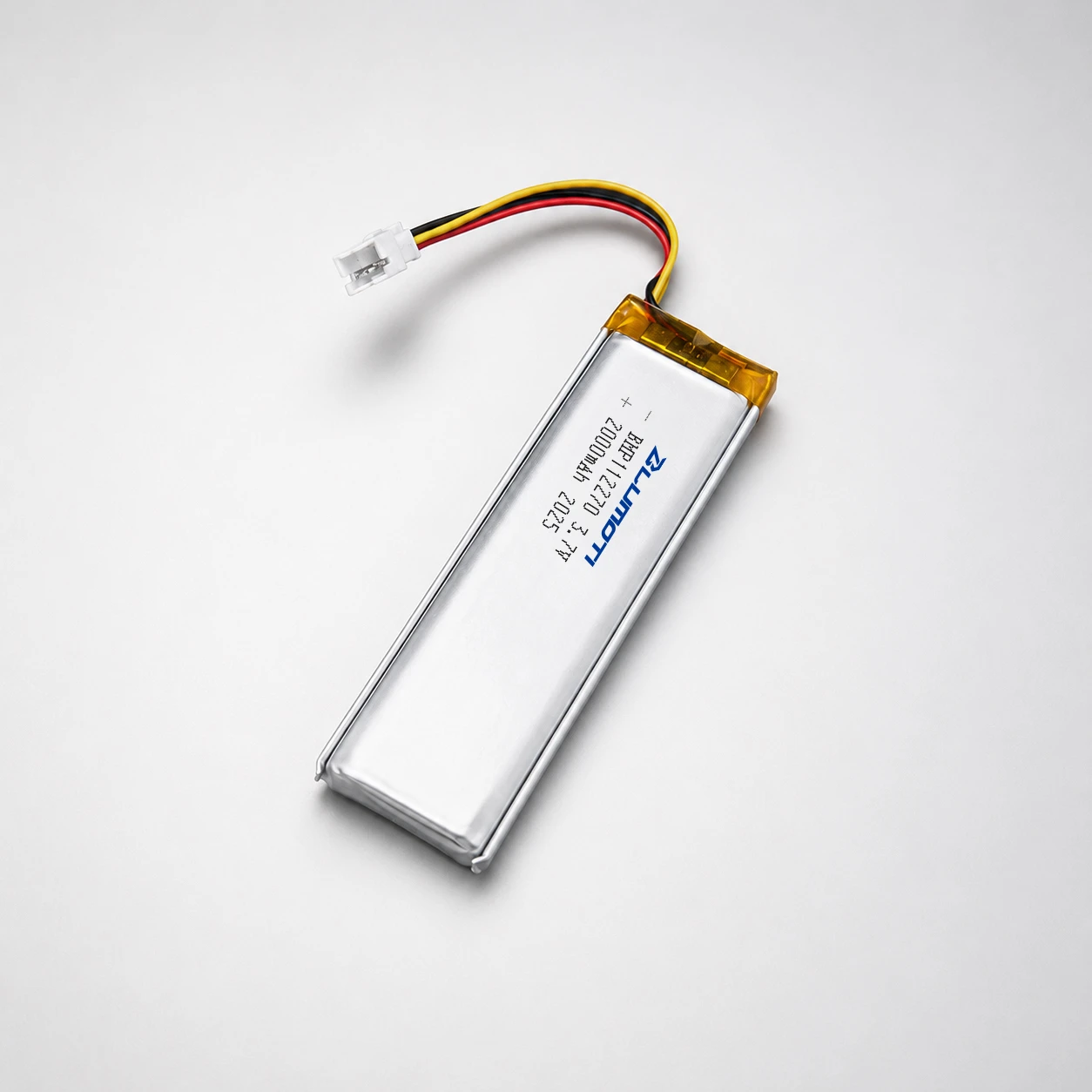


LiPo (Lithium Polymer) batteries are essential in devices like drones, smartphones, and RC models due to their high energy density. However, they carry unique risks, such as swelling and potential combustion, if mishandled. Proper LiPo battery disposal is critical-it prevents environmental contamination from heavy metals, avoids fire hazards, and ensures compliance with growing global regulations. This guide outlines safe, compliant methods to help you protect both the environment and public safety.
Why Proper Disposal of LiPo Batteries Matters
Incorrect disposal of damaged, short-circuited, or aged LiPo batteries can lead to landfill fires, toxic leakage, and long-term soil and water pollution. Their materials, including lithium and cobalt, are harmful to ecosystems yet valuable for recycling. Regulations such as the EU RoHS Directive and the U.S. EPA standards legally mandate safe LiPo recycling. Non-compliance risks significant penalties for businesses and individuals, underscoring the importance of following LiPo battery disposal regulations.


Pre-Disposal Preparation
Begin by inspecting batteries for swelling, leakage, or damage. Use insulating tape or fireproof bags to wrap each battery, preventing short circuits during handling. Never disassemble, crush, or expose batteries to heat or water. Keep damaged batteries in fireproof containers and use appropriate discharge devices when needed. These steps ensure safety before transferring batteries to professional recyclers.

Safe Disposal Methods for LiPo Batteries
01
Professional Recycling Channels
This is the recommended approach. Many manufacturers, electronics retailers, and municipal waste centers offer battery take-back programs. Businesses should partner with certified recyclers holding licenses such as ISO14001 to ensure full compliance with LiPo battery disposal regulations. Verified platforms like Call2Recycle or Earth911 can help locate approved collection points for safe LiPo recycling.
02
Emergency Home Disposal (Small Batteries Only)
If no professional service is available, a saltwater discharge method can be used with caution. Fully submerge the battery in saltwater for 72–96 hours in a ventilated, fire-safe area until voltage drops below 1.5V. This is only a last resort-professional LiPo battery disposal remains the safest option.
03
Industrial-Scale Disposal
Businesses disposing of large quantities must follow international standards like UN38.3. Use UN-certified packaging, provide safety documentation, and partner with licensed hazardous waste carriers. Establishing long-term agreements with qualified recyclers ensures traceability and adherence to LiPo battery disposal regulations.

Common Mistakes to Avoid
- Do not dispose of LiPo batteries in household trash.
- Never puncture, incinerate, or expose swollen batteries to high heat.
- Avoid transporting undischarged batteries loosely.
- Businesses must verify recycler credentials to avoid compliance risks.
FAQs
Q1:Can I throw LiPo batteries in the trash?
A: No. This poses fire and environmental risks. Use designated recycling programs for safe LiPo recycling.
Q2: How to dispose of swollen LiPo batteries safely?
A: Place in a fireproof container and take immediately to a professional recycling facility. Do not attempt home disposal.
Q3: Are there fees for LiPo battery recycling?
A: Some services charge a small fee; many retailers and municipal sites offer free drop-off.
Q4: How to transport used LiPo batteries to recycling centers?
A: Place each battery in a separate non-conductive bag or fireproof pouch to prevent contact and short circuits.
Q5: What is the difference between disposing of LiPo and Li-ion batteries?
A: Both require special handling, but LiPo batteries are more prone to swelling and require stricter LiPo battery disposal regulations.
Conclusion
Always prioritize safety, compliance, and environmental responsibility. Whether you are an individual or a business, choosing professional LiPo battery disposal ensures that safe LiPo recycling practices are followed and all LiPo battery disposal regulations are met.
Additional Resources
U.S. EPA Battery Recycling Guidelines: https://www.epa.gov/recycle
Recycling Locator Tools: Call2Recycle (via https://www.takechargeofyourbattery.com/disposal/) or Earth911 to find local recycling points by zip code.