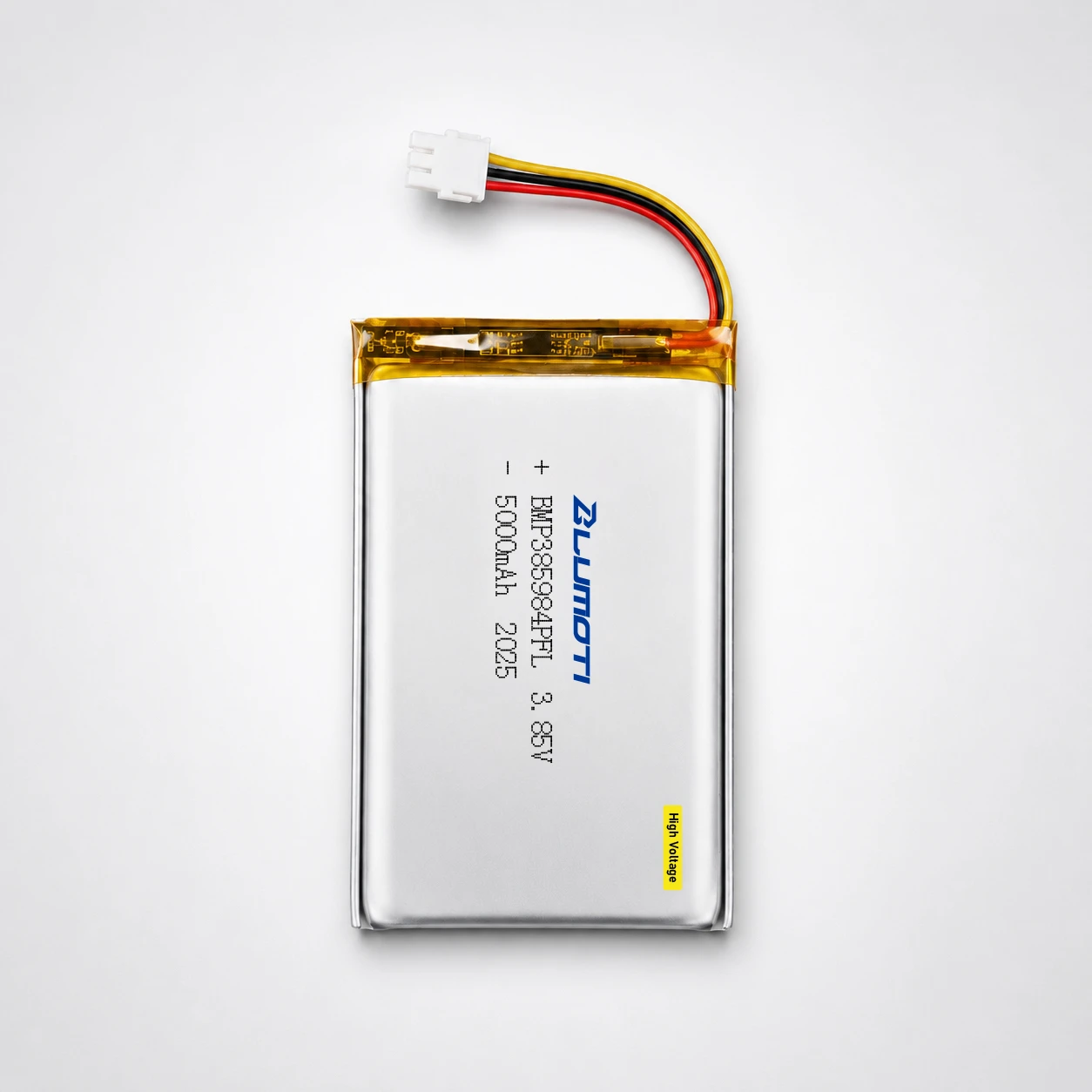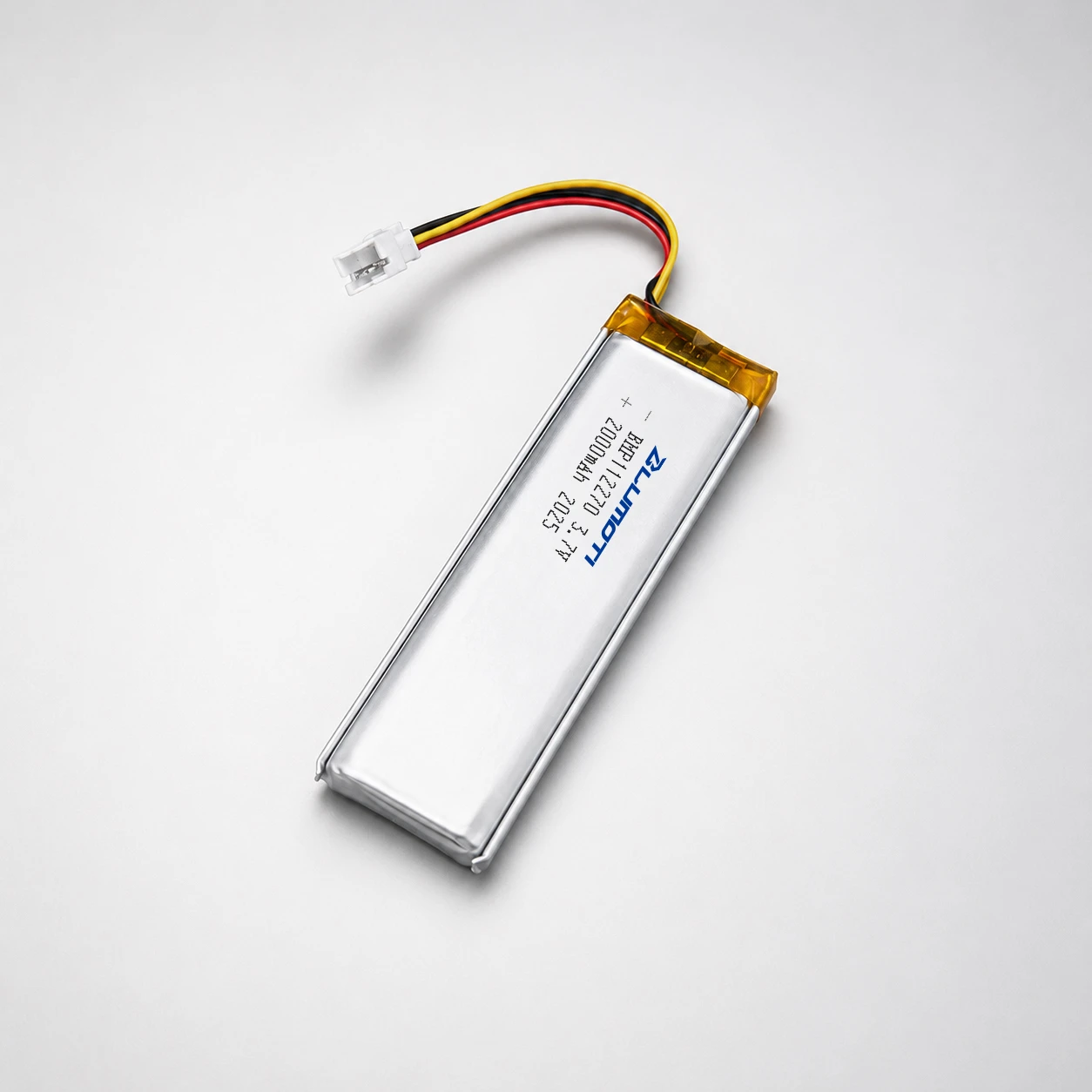

As the lithium-ion battery industry moves towards higher energy density, higher safety, and large-scale manufacturing, cell production equipment and its technical specifications play a decisive role. Equipment technical specifications not only clarify the process parameters, precision requirements, and safety guidelines for each stage of the manufacturing process, but also provide the technical guarantee for achieving product consistency, stability, and traceability. For cell manufacturers, strictly adhering to and continuously optimizing equipment technical specifications is a core prerequisite for improving yield, reducing costs, and meeting market demands.
Lithium-ion battery cell manufacturing encompasses key processes such as slurry preparation, coating, rolling, slitting, sheet forming, winding (or stacking), electrolyte injection, sealing, formation, and capacity testing. Each stage requires dedicated equipment and detailed technical specifications. Taking the slurry preparation process as an example, the specifications should stipulate the mixer's speed range, blade type, vacuum threshold, and slurry temperature control range to ensure uniform dispersion of active materials, conductive agents, and binders, avoiding agglomeration or sedimentation that could lead to uneven electrode composition. The technical specifications for coating equipment specify clear requirements for die gap accuracy (typically within ±2μm), substrate tension control, drying temperature profile, and areal density uniformity to reduce coating defects and thickness deviations, ensuring consistent subsequent electrochemical performance.
The equipment specifications for the rolling process focus on pressure control accuracy and calendering uniformity. Through multi-level pressure gradient settings and online thickness monitoring, it ensures that the electrode compaction density meets design requirements while avoiding excessive rolling that could cause particle breakage or active layer peeling. Slitting equipment specifications must specify the cutter material, cutting edge angle, cutting speed, and tension matching, controlling burr height to below 5μm to prevent the risk of micro-short circuits at electrode edges. The specifications for winding or stacking equipment emphasize positioning accuracy and alignment control. Through a vision positioning system and servo control, precise alignment of the positive and negative electrodes and separators in the width and length directions is achieved, reducing lithium plating or cycle degradation caused by misalignment.
The equipment specifications for the liquid injection and sealing processes focus on injection accuracy, environmental cleanliness, and sealing reliability. The electrolyte injection system must have quantitative control and vacuum impregnation functions to ensure that the electrolyte injection error is less than ±0.5%, and operate in a low-humidity environment to prevent moisture absorption. The sealing equipment should specify heat-sealing temperature, pressure, and timing parameters to ensure the shell sealing strength meets airtightness testing standards, preventing leakage and external environmental corrosion. Formation and capacity testing equipment requires high-precision current and voltage control, temperature management capabilities, and data acquisition functions to ensure that the charge-discharge regime meets the cell activation and performance calibration requirements, and to generate complete process curves and logs.
In addition to individual equipment specifications, the standards for equipment linkage and data interaction throughout the entire process are equally crucial. The Manufacturing Execution System (MES) should seamlessly interface with equipment in each process step, collecting process parameters, equipment status, and quality data in real time, and supporting anomaly alarms and closed-loop correction. Equipment maintenance specifications should clearly define cycles, contents, and acceptance standards, including lubrication, calibration, sensor testing, and software version management, to ensure the long-term stability and repeatability of equipment operation.
Safety and environmental protection requirements are an indispensable part of equipment technical specifications. All equipment must meet explosion-proof, electric shock protection, and emergency shutdown design requirements. Processes involving high temperatures, high pressures, or harmful gases should be equipped with ventilation, filtration, and interlocking protection devices. Noise, dust, and exhaust emissions must comply with national and local environmental regulations, and the adoption of low-energy-consumption and recyclable design concepts is encouraged.
Overall, lithium battery cell equipment technical specifications are the foundation for ensuring manufacturing quality, improving production efficiency, and achieving stable, large-scale delivery. With the development of intelligent manufacturing and the Industrial Internet, the specification system will continuously integrate online monitoring, digital twin, and adaptive control technologies, driving cell manufacturing towards higher precision, greater flexibility, and greater sustainability.