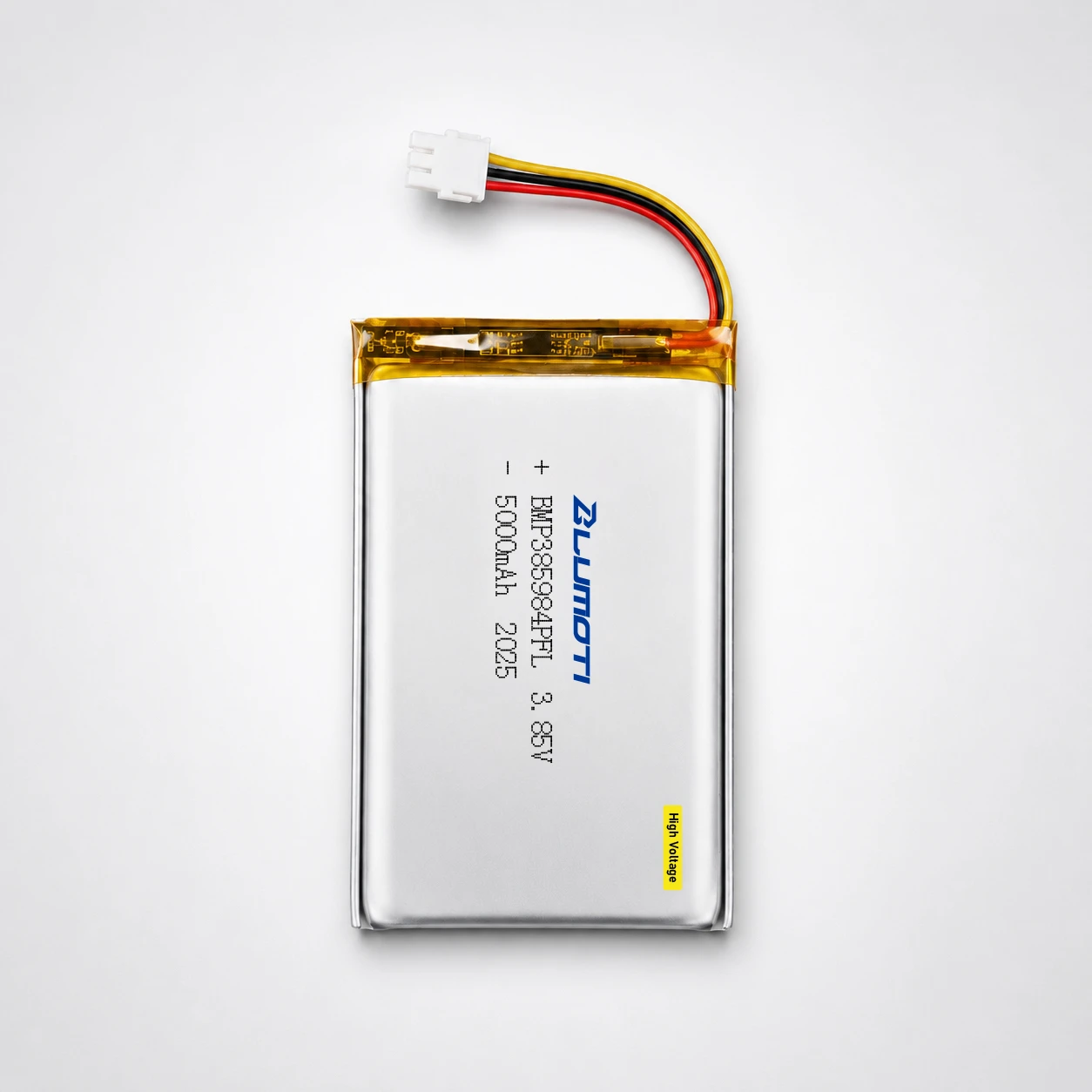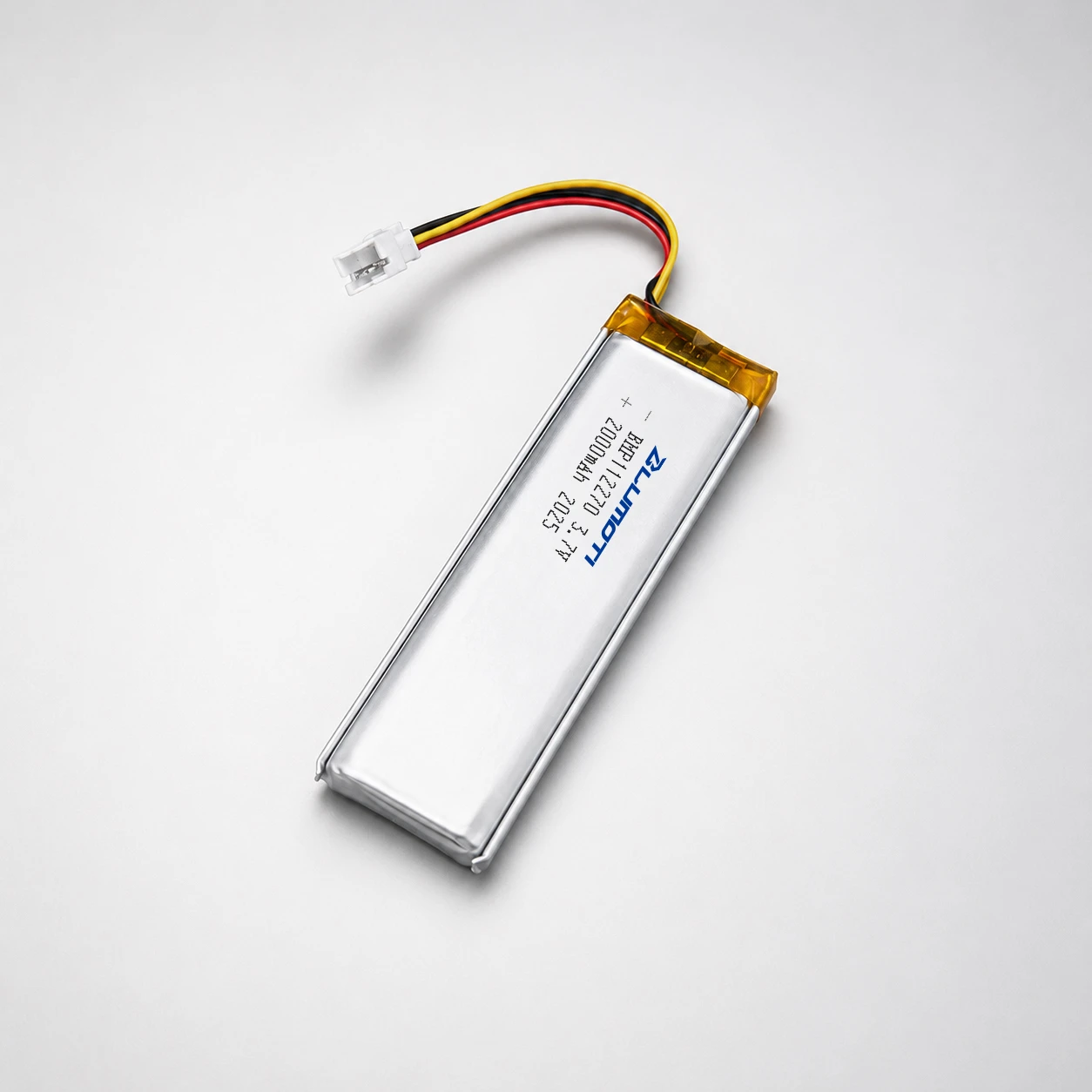

Against the backdrop of the global energy structure's accelerated transformation towards low-carbon and intelligent technologies, lithium-ion battery packs, with their advantages of high energy density, long cycle life, strong environmental adaptability, and flexible modular design, have become a key supporting technology for promoting transportation electrification, large-scale utilization of renewable energy, and industrial equipment upgrades. Their application prospects not only cover existing mainstream fields but are also extending to emerging scenarios, demonstrating broad market potential and technological expansion space.
In the field of new energy vehicles, lithium-ion battery packs are the core power source for electric and hybrid vehicles. With the maturity of cathode materials such as high-nickel ternary lithium and lithium manganese iron phosphate, and silicon-based anodes, battery pack energy density continues to improve, enabling mainstream models to achieve a range exceeding 600 kilometers, with some high-end models reaching over 800 kilometers, effectively alleviating users' range anxiety. Simultaneously, advancements in fast-charging technology allow battery packs to support a 300-kilometer range replenishment in just 10 minutes. Combined with the promotion of battery swapping, this further enhances the convenience of using new energy vehicles. In the future, with the gradual implementation of solid-state battery technology, the safety, energy density, and low-temperature performance of battery packs will experience a qualitative leap, removing technical and cost barriers to the widespread adoption of new energy vehicles in the global market.
Energy storage systems are another important growth driver for lithium-ion battery packs. Driven by the "dual carbon" goals, the large-scale grid connection of intermittent renewable energy sources such as wind power and photovoltaics urgently requires efficient energy storage technologies to smooth fluctuations and ensure grid stability. Lithium-ion battery packs, with their advantages of fast response speed and high energy conversion efficiency (up to 95% or more), have become the mainstream choice for electrochemical energy storage. Currently, megawatt-level lithium-ion battery energy storage power stations have achieved commercial operation, providing peak shaving, frequency regulation, backup, and black start services for the grid. The residential and industrial/commercial energy storage markets are also growing rapidly, achieving self-consumption and surplus power value-added through the "photovoltaic + energy storage" model, reducing user energy costs. In the future, with the complementary application of sodium-ion batteries and lithium-ion batteries, and the maturity of battery pack cascade utilization technology, the economics and sustainability of energy storage systems will be further improved.
In the industrial and special equipment sectors, lithium-ion battery packs are gradually replacing traditional lead-acid batteries and fuel-powered systems, empowering applications such as mining machinery, port AGVs, drones, and polar research equipment. For example, mining trucks equipped with large-capacity lithium-ion battery packs can achieve zero-emission operation and reduce noise pollution; the high power density of lithium-ion battery packs for drones enables long-endurance flights in logistics delivery, inspection, and monitoring tasks. Furthermore, breakthroughs in low-temperature battery pack technology for extreme environments allow for stable power supply in polar and high-altitude regions below -40°C, providing energy security for special scientific research and engineering tasks.
It is worth noting that the application prospects of lithium-ion battery packs also face challenges: fluctuating raw material prices, an imperfect recycling system, and safety concerns in certain scenarios require collaborative solutions through technological innovation and policy guidance. For example, technologies such as cobalt-free cathodes and the use of recycled materials can reduce dependence on scarce resources; the construction of blockchain traceability and closed-loop recycling networks can improve resource utilization efficiency and reduce environmental burden; and the widespread adoption of intelligent battery management systems (BMS) and thermal runaway early warning technologies will further strengthen safety measures.
Overall, lithium-ion battery packs, as a key hub connecting energy production, transmission, and consumption, have application prospects that deeply align with the needs of the global energy revolution and industrial upgrading. With technological iteration and ecosystem improvement, they will unleash their potential in more fields, providing core impetus for building a clean, efficient, and safe modern energy system.