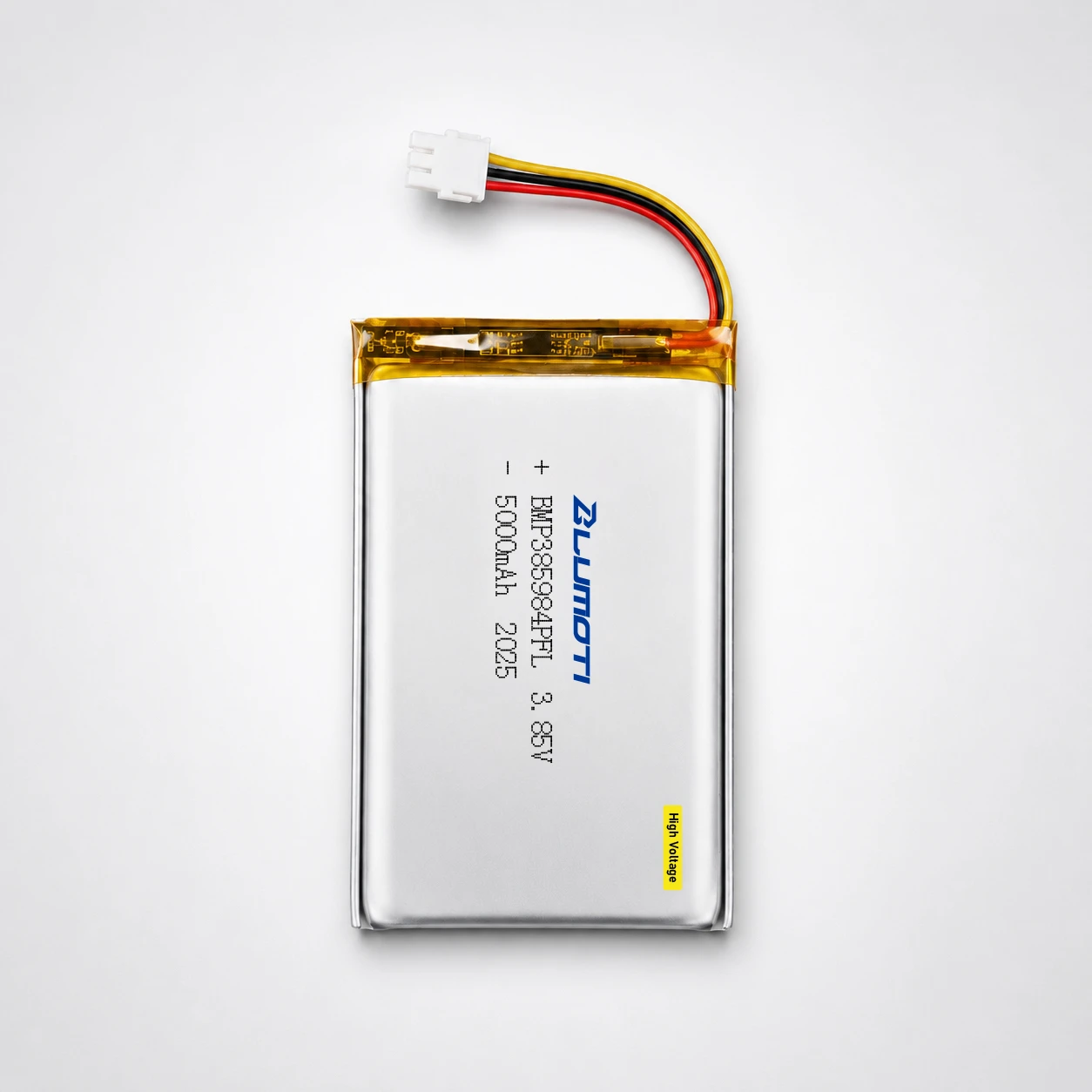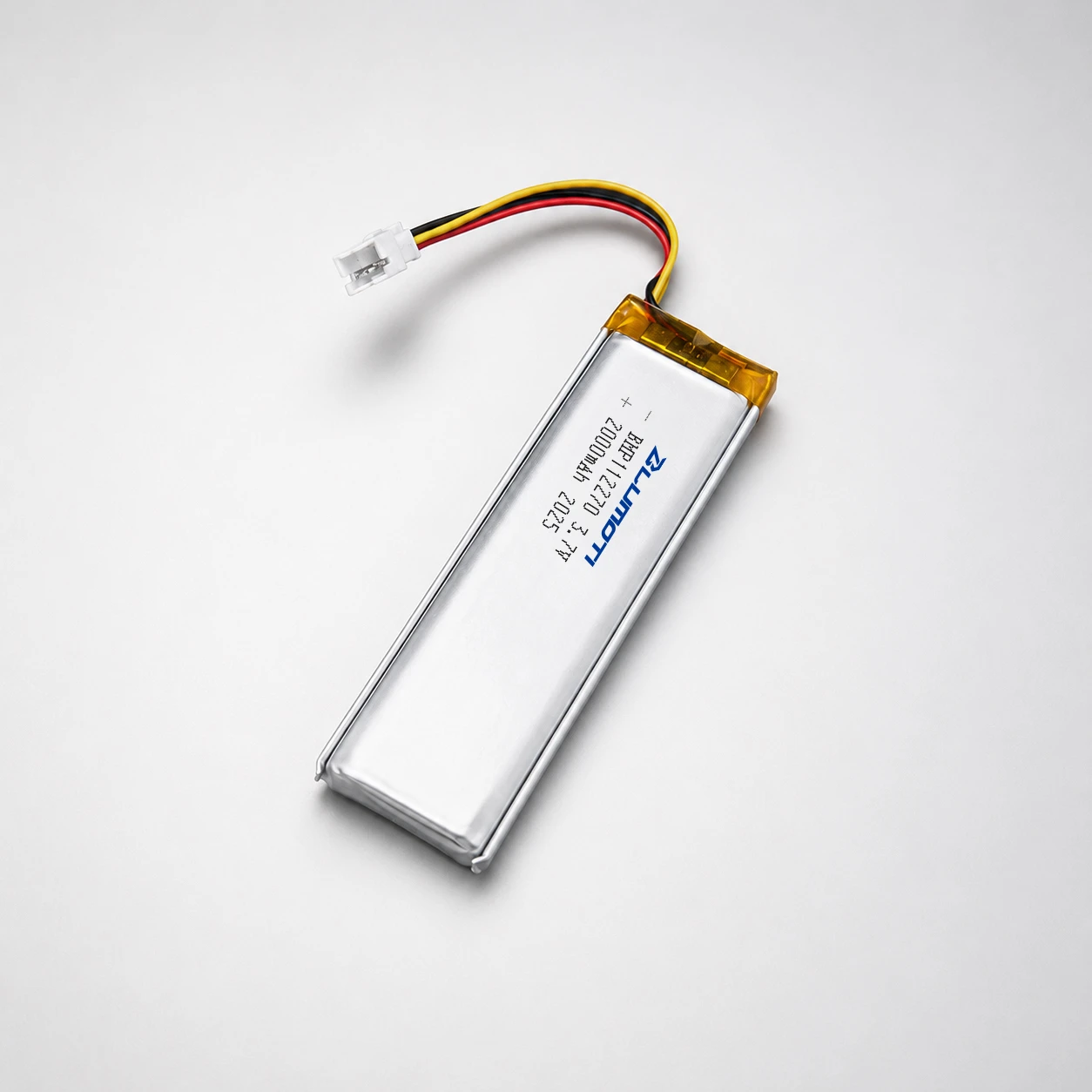

As a core energy storage and power unit in the new energy field, the research progress of lithium-ion battery packs directly relates to improving the range of electric vehicles, optimizing the economics of energy storage systems, and ensuring the reliable operation of special equipment in harsh environments. In recent years, with breakthroughs in materials science, system integration, and intelligent control technologies, lithium-ion battery packs have made significant progress in energy density, safety performance, cycle life, and environmental adaptability, accelerating their transition from laboratory innovation to large-scale application.
At the materials system level, the development of novel electrode materials such as high-nickel ternary cathodes, lithium manganese iron phosphate (LFP), and silicon-based anodes has laid the foundation for improving the energy density of battery packs. High-nickel cathodes reduce cobalt dependence by increasing nickel content, improving cost structure while maintaining high specific capacity; LFP, while inheriting the safety advantages of LFP, has improved voltage platform and energy density. Silicon-based anodes have become a research hotspot due to their ultra-high theoretical specific capacity. By combining them with carbon materials or employing core-shell structure designs, the volume expansion problem during charging and discharging has been effectively mitigated, making it possible for the overall energy density of battery packs to exceed the 300Wh/kg threshold.
Innovations in system integration technology focus on reducing internal resistance and improving consistency. Advanced connection processes such as laser welding and ultrasonic welding reduce busbar contact resistance, improving efficiency and stability during high-current charging and discharging. Integrated module designs, by optimizing cell arrangement and cooling channels, shorten the heat conduction path, keeping temperature uniformity within ±2℃ and significantly reducing the risk of thermal runaway caused by localized overheating. Furthermore, the development of lightweight structures and high-protection-level casings enhances the mechanical reliability of battery packs under vibration, shock, and alternating high and low temperature environments.
The intelligent upgrading of the battery management system (BMS) is another important direction. The accuracy of SOC (State of Charge) and SOH (State of Health) estimation based on Model Predictive Control (MPC) and machine learning algorithms has been significantly improved, with errors controlled within 3%. The application of active balancing technology, through energy transfer via capacitors or inductors, reduces the voltage difference between individual cells to below 10mV, effectively delaying the accumulation of inconsistencies. Some cutting-edge research has introduced edge computing and cloud collaboration into BMS (Battery Management System) to achieve real-time analysis and fault early warning of battery pack data throughout its entire lifecycle, driving a shift in maintenance from "post-incident repair" to "pre-incident prevention."
Breakthroughs in safety technologies focus on thermal runaway prevention and improved abuse tolerance. The application of novel thermal management materials, such as phase change microcapsules and high thermal conductivity gels, can absorb heat and delay heat spread in the early stages of abnormal temperature rise. The development of flame-retardant electrolytes and ceramic-coated separators has significantly reduced the risk of electrolyte decomposition and separator melting at high temperatures. In terms of abuse testing, battery packs can now pass extreme condition tests such as nail penetration, compression, and overcharging, and the toxicity of smoke and the rate of temperature rise after thermal runaway triggering meet stringent safety standards.
Looking to the future, research on lithium-ion battery packs will place greater emphasis on multidisciplinary integration: the practical application of solid-state electrolytes promises to completely eliminate the safety hazards of liquid electrolytes; the deep application of artificial intelligence and digital twin technologies will optimize the entire process of battery pack design, manufacturing, and operation; and the development of low-cost, recyclable material systems aligns with the sustainable development needs under the global carbon neutrality goal. These advancements will continue to drive lithium-ion battery packs towards higher performance, better safety, and greater adaptability, providing core support for energy transition.