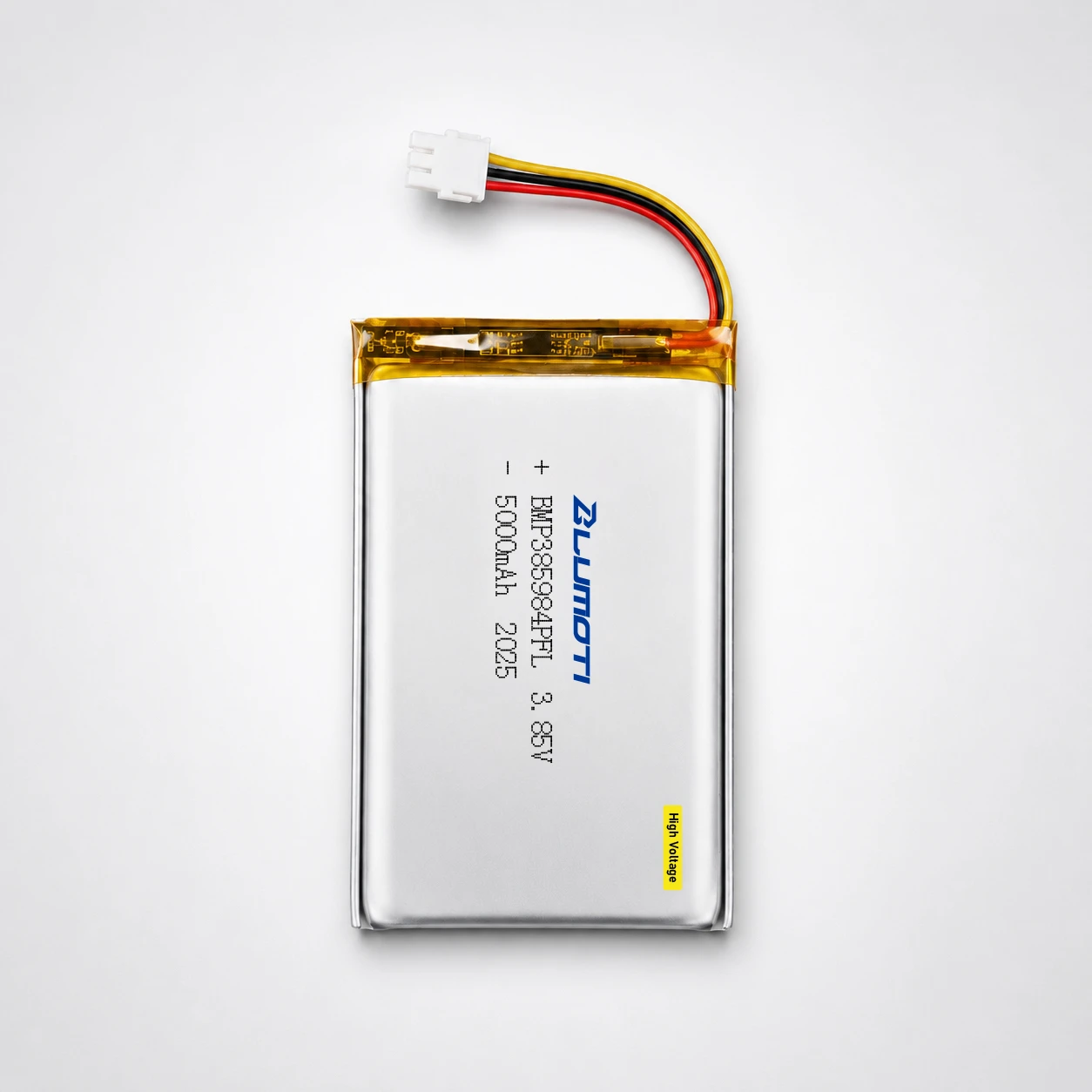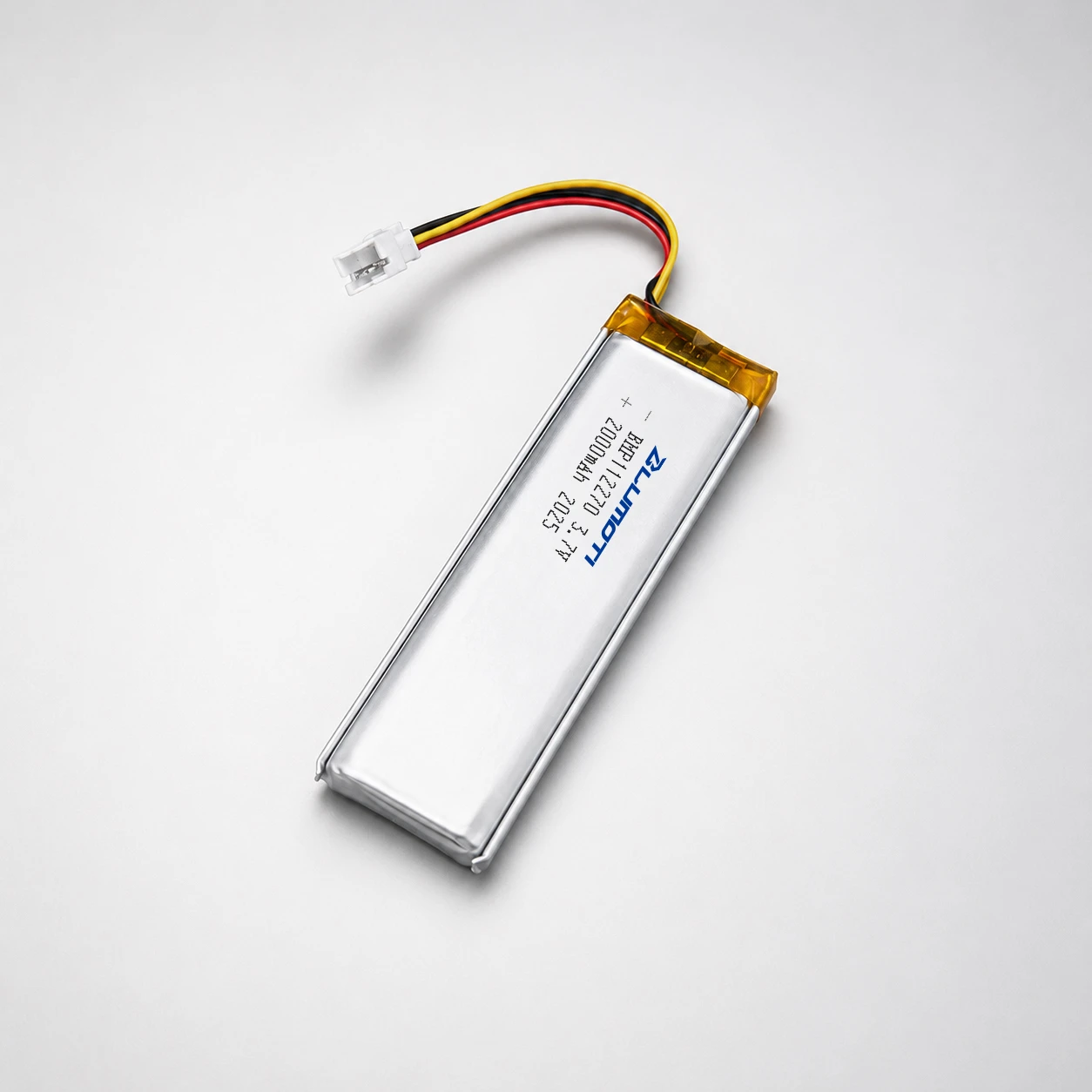

As an energy storage product with stringent requirements for energy density, lightweight design, and safety, the manufacturing process of drone batteries encompasses multiple precise stages, from material preparation to finished product testing. The entire process is guided by electrochemical principles, integrating precision manufacturing and rigorous quality control to ensure that the battery meets the specific standards for aviation applications in terms of performance, consistency, and reliability.
The process begins with cell preparation. For lithium polymer cells, the positive electrode active material, conductive agent, and binder are first formulated into a slurry according to a specific ratio, uniformly coated onto an aluminum foil current collector, and then dried and rolled to form a dense coating. The negative electrode is similarly processed onto copper foil using materials such as graphite. Subsequently, electrode slitting and sheet fabrication are performed, ensuring dimensional accuracy and neat edges. In a drying chamber, the cells are wound or stacked, with the positive and negative electrode sheets and separator stacked or spirally wound in a predetermined order to form the initial cell structure. This stage requires strict control of dust and moisture to prevent degradation of electrochemical performance.
Then comes the electrolyte injection and encapsulation stage. The prepared lithium polymer electrolyte is quantitatively injected into the battery cell, and then soft-pack encapsulated under strict temperature and humidity control. The encapsulation process employs thermo-press sealing technology to tightly bond the aluminum-plastic film, forming a sealed structure. This prevents electrolyte leakage while allowing space for slight expansion of the cell during charging and discharging, avoiding performance degradation or safety risks caused by excessive tightness.
After cell formation, the cells proceed to the formation and capacity grading processes. Formation activates the electrode interface through an initial low-current charge-discharge cycle, forming a stable solid electrolyte interphase (SEI) film. This process significantly impacts battery cycle life and safety. Capacity grading measures the actual capacity and internal resistance of the cells under standard conditions and grades them according to performance, providing a basis for subsequent packing. High-consistency packing is crucial for ensuring the overall performance of the battery pack; cells with similar voltage, internal resistance, and capacity must be combined to reduce performance dispersion during cycling.
In the battery pack assembly stage, the cells are arranged in series and parallel according to the design and fixed by ultrasonic or laser welding using nickel strips or copper-plated nickel connectors, ensuring low impedance and reliable conductivity. Subsequently, a Battery Management System (BMS) is integrated, completing the assembly of signal acquisition, equalization circuitry, and protection circuitry. The overall structure requires a protective casing with cushioning and securing measures to withstand vibrations and shocks during flight. After casing encapsulation, preliminary electrical performance testing and insulation withstand voltage testing are conducted to confirm the absence of short circuits or leakage risks.
The final stage involves finished product testing and aging screening. This includes environmental temperature adaptability testing, cycle life verification, overcharge and over-discharge safety testing, and mechanical shock assessment to ensure stable battery output under extreme conditions. Aging tests can expose early failure risks; only qualified products can proceed to packaging and shipping.
Overall, the manufacturing process of drone batteries is characterized by a rigorous clean environment, precise material handling, and multi-level testing. It integrates electrochemical preparation, structural engineering, and intelligent control technologies, ensuring high energy density, lightweight design, and high safety for drones through meticulous quality control at every stage.