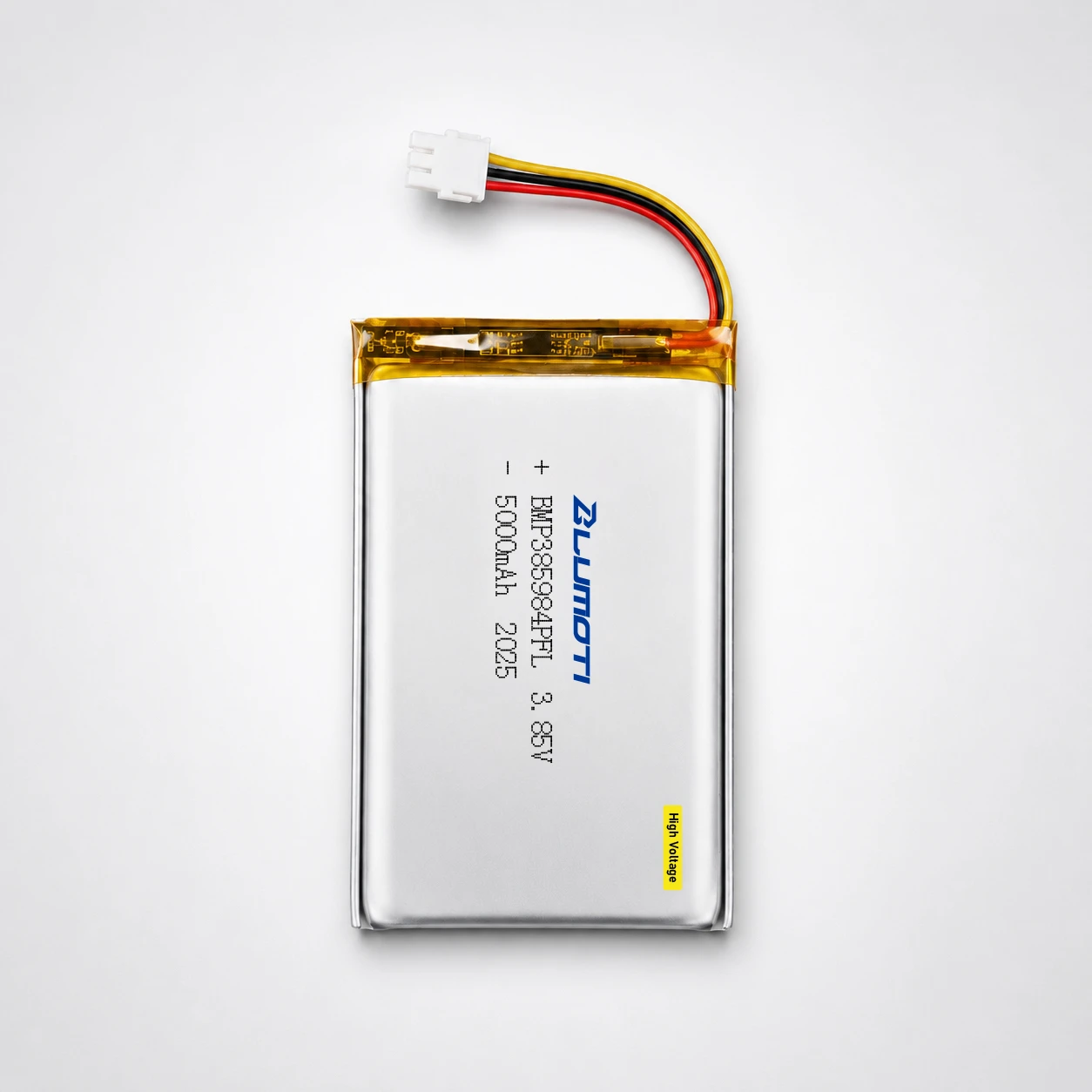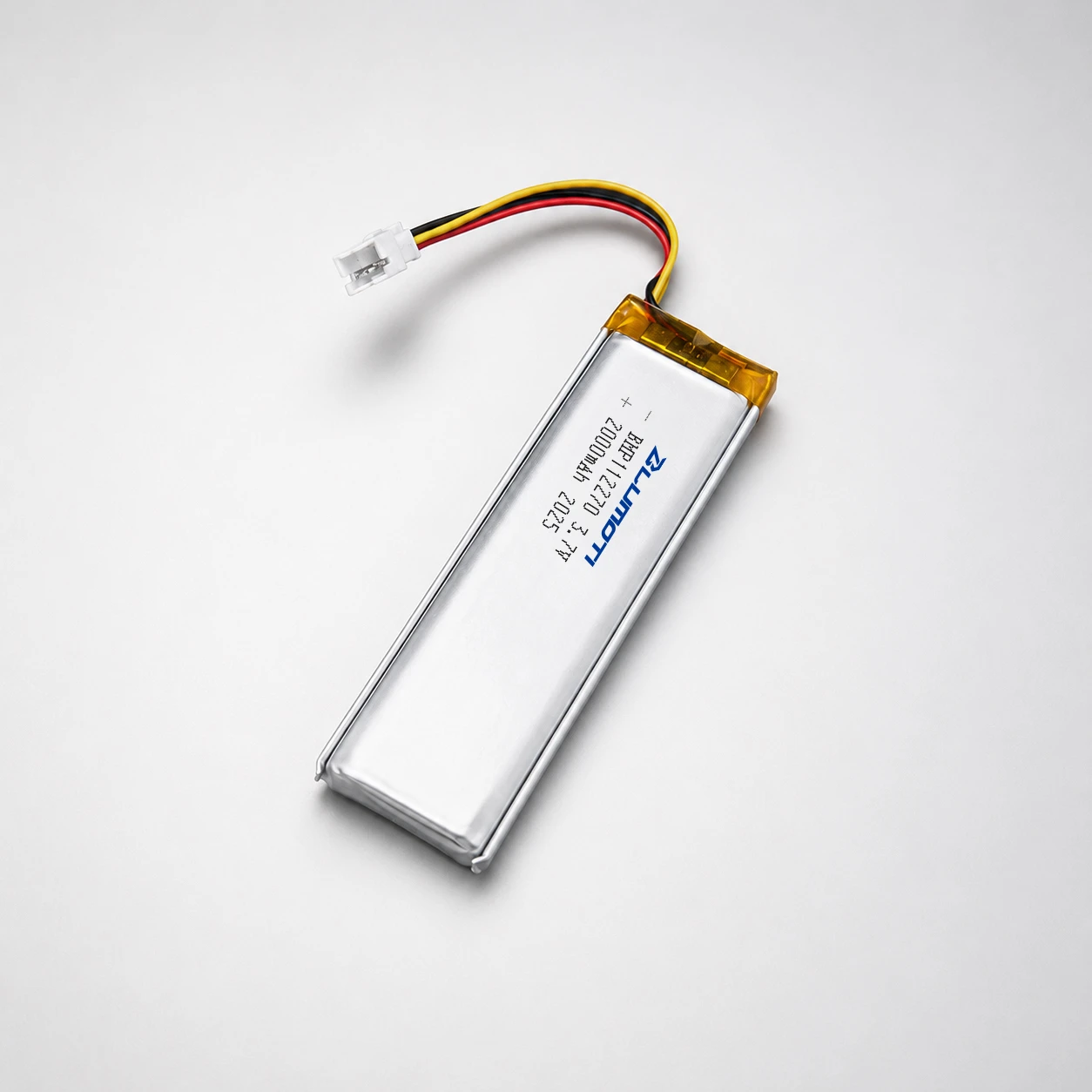

With the widespread application of drones in surveying, inspection, logistics, and emergency response, drone batteries, as their core power source, exhibit unique logistics characteristics in the distribution process. While possessing advantages such as high energy density and lightweight design, they also contain active chemical substances and pose potential fire and explosion risks, thus falling under the category of special cargo transportation, imposing strict requirements on packaging, storage, monitoring, and compliance management.
From a cargo attribute perspective, drone batteries are mostly lithium polymer or lithium-ion batteries, belonging to Class 9 dangerous goods (UN3480/UN3481, etc., UN numbers). During transportation, mechanical damage, overheating, or overcharging may cause thermal runaway, leading to smoke, fire, or even explosion. Therefore, their logistics nature is primarily characterized by high risk, requiring comprehensive measures to prevent short circuits, crushing, high temperatures, and fire. Compared to ordinary cargo, the storage and transportation of drone batteries requires consideration not only of quantity and weight, but also strict adherence to international and domestic regulations governing the transport of dangerous goods, such as the International Civil Aviation Organization (ICAO) Technical Instructions for the Safe Transport of Dangerous Goods by Air and the road, rail, and sea transport regulations for dangerous goods in various countries.
Secondly, drone batteries exhibit high value-density logistics characteristics. Their value per unit weight or volume is high, and they are often considered integral assets along with the drone itself and its payload. Damage or loss directly impacts operational plans and economic efficiency. This necessitates meticulous tracking and protection throughout the logistics chain, including shock-absorbing packaging, temperature and humidity monitoring, anti-theft and damage prevention designs, and insurance coverage to reduce the risk of damage and ensure asset security.
Regarding space and weight utilization, drone batteries offer high loading efficiency due to their lightweight design. Lithium polymer pouch batteries, in particular, are flat and stackable, facilitating optimized arrangement within standard cargo containers or cabinets and maximizing the volume utilization of transport vehicles. However, this efficient loading must strike a balance between safe spacing and heat dissipation to avoid heat buildup caused by dense stacking, which could increase the probability of thermal runaway.
The timeliness of the logistics process is also a crucial characteristic. Drone operations are often used in time-sensitive missions, such as emergency rescue, temporary inspections, or live event broadcasts. Delays in battery supply can lead to mission interruptions. Therefore, logistics solutions must balance safety and compliance with rapid response. Common strategies include establishing regional forward warehouses, utilizing dedicated transportation lines or air express, and implementing real-time status monitoring and early warning systems to ensure rapid deployment in critical moments.
Furthermore, drone battery logistics also exhibits reverse logistics requirements. Retired or faulty batteries must be recycled, tested, and reused or safely disposed of in accordance with environmental protection and hazardous waste management requirements. This necessitates a logistics system with capabilities for classified collection, leak-proof transportation, and compliant handover, forming a closed-loop management system covering both forward supply and reverse recycling.
Overall, drone battery logistics combines high value, high risk, efficient loading, high timeliness, and reverse disposal characteristics. Its storage and transportation management not only relies on standardized packaging and transportation methods but also requires a systematic approach to regulatory compliance, technology application, and supply chain collaboration to support the stable operation and rapid expansion of the drone industry while ensuring safety.