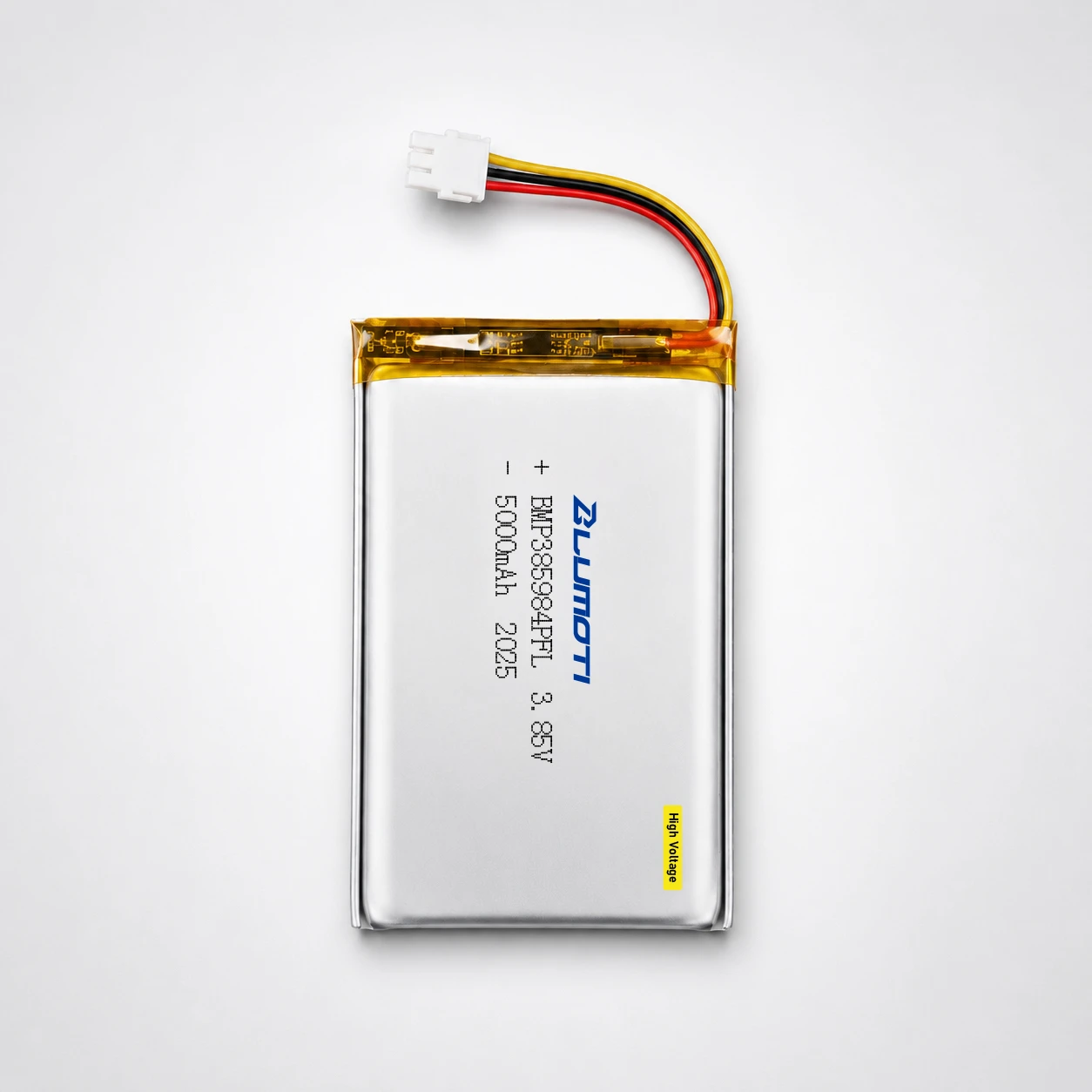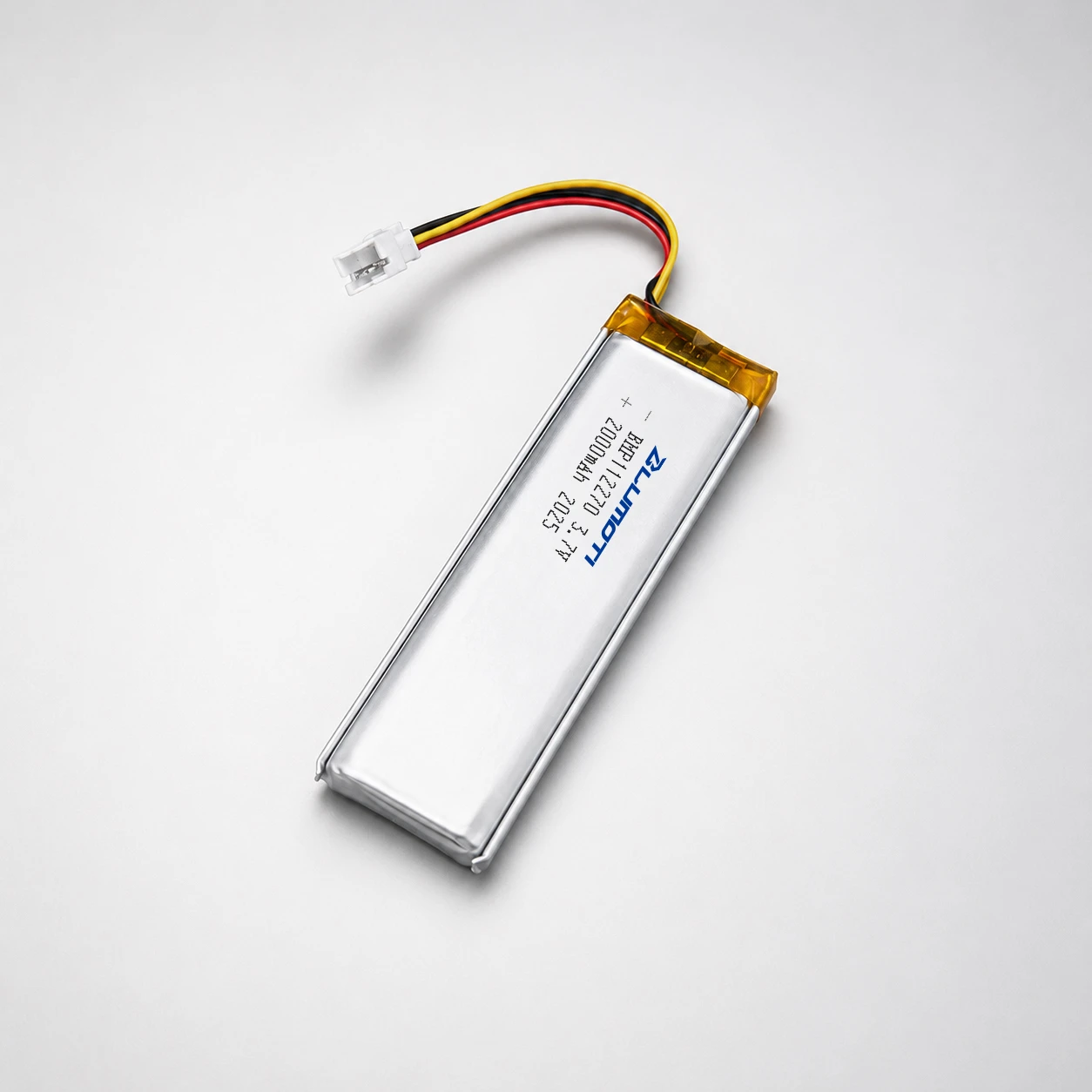

Lithium-ion battery packs, as a key component of modern energy storage and power systems, are widely used in new energy vehicles, energy storage power stations, aerospace, and industrial equipment due to their high energy density, long cycle life, and wide operating temperature range. Essentially, they are integrated energy storage units formed by combining multiple individual lithium-ion batteries in series and parallel, capable of meeting high voltage and large capacity requirements while ensuring output stability and safety management.
Individual lithium-ion batteries have limited voltage and capacity, making it difficult to independently support high-power or long-term load demands. Battery packs increase the total output voltage through series connection to meet the electrical specifications of different application scenarios; and expand the total capacity and instantaneous discharge capability through parallel connection to ensure sufficient energy supply under high loads. This structural design allows battery packs to flexibly adapt to system voltage ranges from tens of volts to thousands of volts, and capacity requirements from several ampere-hours to hundreds of ampere-hours. However, series-parallel configurations also bring challenges to consistency management. Differences in capacity, internal resistance, and self-discharge rate between individual cells accumulate during cycling, causing some cells to prematurely degrade, thus affecting the overall performance and safety of the pack.
To ensure stable battery pack operation, a Battery Management System (BMS) is an indispensable component. The BMS collects real-time data on the voltage, temperature, and current of each cell, implements equalization control to eliminate inconsistencies, and quickly disconnects circuits in abnormal conditions such as overcharging, over-discharging, overheating, or short circuits to prevent the spread of thermal runaway. Advanced BMSs can also combine model prediction and adaptive algorithms to dynamically estimate remaining lifespan and available capacity, providing a basis for operational decisions.
Thermal management is another key technology. Lithium batteries generate heat during charging and discharging, especially in high-temperature environments or high-rate conditions. Rapid temperature rise can accelerate side reactions and reduce cycle life. Battery packs typically employ air cooling, liquid cooling, or phase change materials for heat dissipation and insulation to maintain the cells within a suitable temperature range, ensuring performance while avoiding thermal safety issues. For low-temperature applications, some battery packs also integrate self-heating or external preheating devices to ensure low-temperature start-up and power output capabilities.
In terms of safety, the structural design of the battery pack must consider mechanical protection and electrical insulation. The outer casing is primarily constructed from high-strength alloys or flame-retardant composite materials, providing impact resistance, puncture resistance, and moisture and dust protection. The internal layout optimizes busbar and wiring harness routing, reducing impedance and electromagnetic interference risks. Regular insulation testing and airtightness verification allow for the timely detection of potential problems, improving system reliability.
With advancements in materials and manufacturing processes, lithium-ion battery packs are evolving towards higher energy density, longer lifespan, and higher safety levels, playing an increasingly important role in smart grids, rail transportation, and off-grid energy systems. In the future, through the integration of digital monitoring and intelligent control, battery packs will achieve more efficient and safer energy supply in diverse application scenarios.