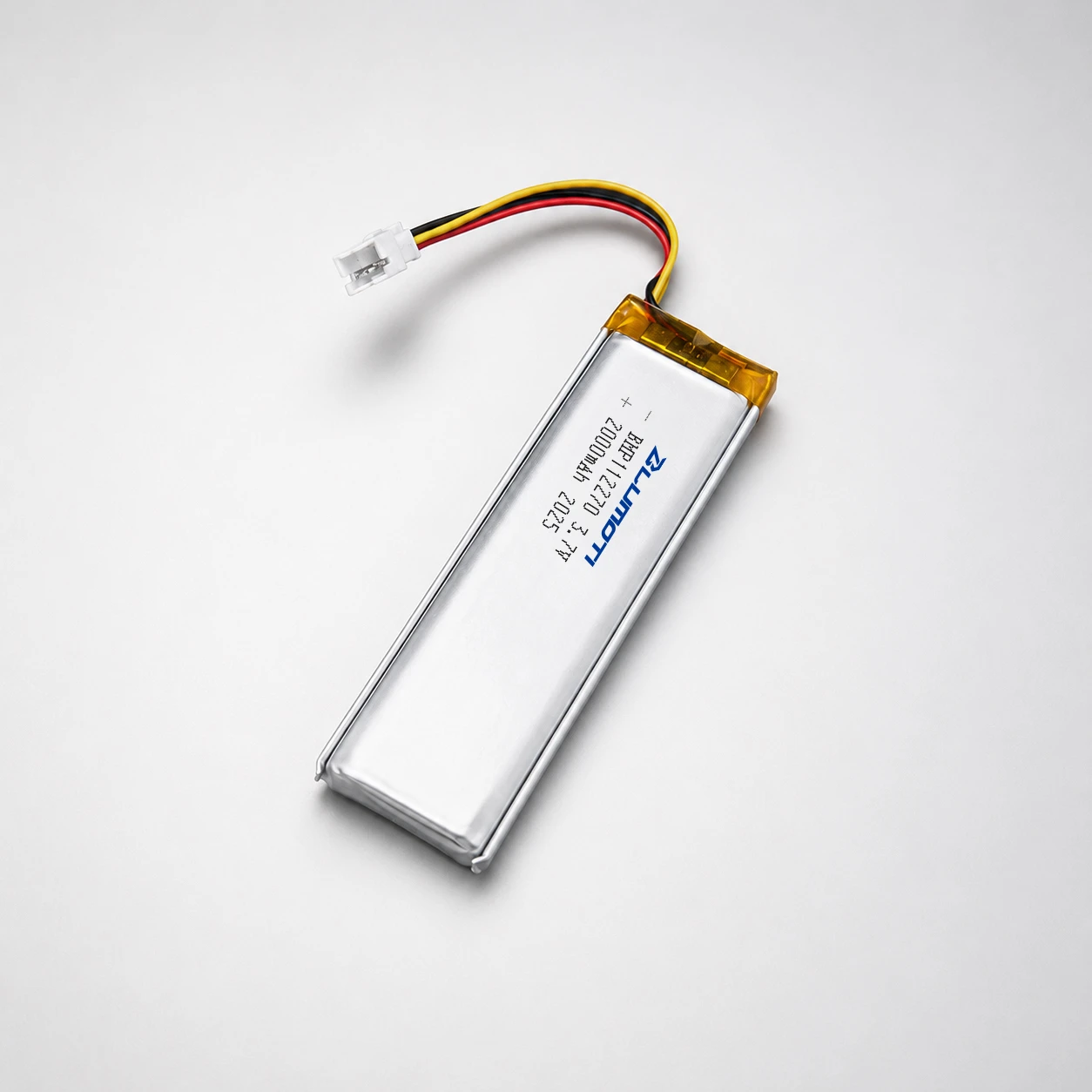


As a supplier specializing in Small Lithium Polymer Batteries, I often encounter inquiries about the feasibility of using these batteries in smart cards. In this blog post, I will explore the potential of small lithium polymer batteries in smart card applications, considering factors such as technical specifications, advantages, challenges, and market prospects.
Technical Specifications of Small Lithium Polymer Batteries
Small lithium polymer batteries are known for their high energy density, lightweight design, and flexibility. These features make them an attractive option for powering various portable devices, including smart cards. Our Small Lithium Polymer Battery products offer a range of capacities and dimensions to meet different application requirements.
For example, our 1000 mAh Lipo batteries provide a relatively high capacity in a compact size, which can be suitable for smart cards that require longer operating times between charges. Additionally, we also offer High Capacity Lipo Cells for applications that demand more power.
Advantages of Using Small Lithium Polymer Batteries in Smart Cards
1. High Energy Density
One of the primary advantages of small lithium polymer batteries is their high energy density. This means that they can store more energy in a smaller volume compared to other types of batteries. For smart cards, which have limited space available for battery installation, high energy density is crucial to ensure long - term operation without frequent recharging.
2. Lightweight
Smart cards need to be lightweight and portable for easy use. Small lithium polymer batteries are significantly lighter than traditional batteries, such as lead - acid or nickel - cadmium batteries. This makes them an ideal choice for smart cards, as they do not add excessive weight to the card, ensuring a comfortable user experience.
3. Flexibility in Design
Lithium polymer batteries can be manufactured in various shapes and sizes, including thin and flexible forms. This flexibility allows smart card designers to integrate the battery more seamlessly into the card's structure, enabling more innovative and compact designs. For example, a flexible lithium polymer battery can be bent or curved to fit the shape of the smart card, optimizing the use of available space.
4. Low Self - Discharge Rate
Another advantage is the low self - discharge rate of lithium polymer batteries. Smart cards may be stored for long periods between uses, and a low self - discharge rate ensures that the battery retains its charge over time. This means that when the smart card is retrieved for use, it is more likely to have sufficient power available.
Challenges of Using Small Lithium Polymer Batteries in Smart Cards
1. Cost
Small lithium polymer batteries are generally more expensive to produce compared to some other types of batteries. This cost factor may limit their widespread adoption in smart cards, especially in mass - market applications where cost - effectiveness is a major consideration. However, as the technology continues to develop and production scales up, the cost of lithium polymer batteries is expected to decrease gradually.
2. Safety Concerns
Lithium polymer batteries, like all lithium - based batteries, have certain safety risks. Thermal runaway, overcharging, and short - circuits can lead to overheating, swelling, or even explosion in extreme cases. To address these concerns, smart card manufacturers need to implement proper battery management systems (BMS) to monitor and control the battery's charging and discharging processes.


3. Compatibility with Existing Smart Card Technologies
Integrating small lithium polymer batteries into smart cards requires careful consideration of compatibility with existing smart card technologies. This includes ensuring that the electrical characteristics of the battery are compatible with the card's integrated circuits, as well as the mechanical design to ensure proper installation and connection.
Market Prospects for Small Lithium Polymer Batteries in Smart Cards
The demand for smart cards is growing steadily in various sectors, including finance, transportation, and access control. As smart cards become more sophisticated and feature - rich, the need for reliable and long - lasting power sources is increasing. Small lithium polymer batteries have the potential to meet these requirements, opening up new opportunities in the smart card market.
In the finance sector, for example, contactless payment smart cards are becoming increasingly popular. These cards require a power source to support the communication and transaction processing functions. The high energy density and low self - discharge rate of small lithium polymer batteries make them well - suited for this application, providing a reliable power supply for seamless payment experiences.
In the transportation sector, smart cards are used for ticketing and access control. With the integration of additional features such as real - time location tracking and data storage, the power requirements of these cards are also increasing. Small lithium polymer batteries can offer the necessary power in a compact and lightweight form, enhancing the functionality and usability of transportation smart cards.
Conclusion
In conclusion, small lithium polymer batteries have significant potential for use in smart cards. Their high energy density, lightweight design, flexibility, and low self - discharge rate make them attractive options for powering the next generation of smart cards. However, challenges such as cost, safety concerns, and compatibility need to be addressed to fully realize this potential.
As a leading supplier of Small Lithium Polymer Battery, we are committed to providing high - quality battery solutions that meet the specific needs of smart card manufacturers. Our products are designed with safety, performance, and reliability in mind, and we work closely with our customers to ensure seamless integration into their smart card designs.
If you are a smart card manufacturer or are interested in exploring the use of small lithium polymer batteries in your applications, we invite you to contact us for further discussion and to start a procurement negotiation. We look forward to the opportunity to work with you and contribute to the development of innovative smart card solutions.
References
- Linden, D., & Reddy, T. B. (2002). Handbook of Batteries. McGraw - Hill.
- Chen, Z., Liu, X., & Yang, J. (2018). Lithium - Ion Batteries: Science and Technologies. Springer.