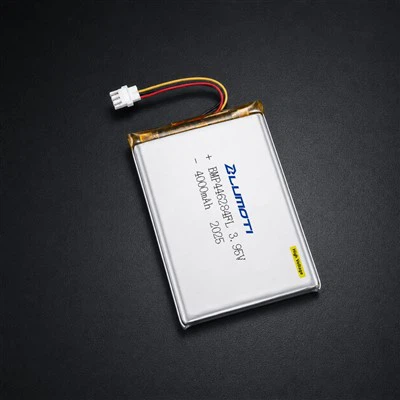


As a supplier of LiFePO4 (LFP) batteries, understanding how to determine the end - of - life of these batteries is crucial. Not only does it help us in providing accurate information to our customers, but it also enables us to manage our inventory efficiently and develop better battery products. In this blog, we will explore various methods to determine the end - of - life of LiFePO4 LFP batteries.
Understanding LiFePO4 Batteries
LiFePO4 batteries have gained popularity in recent years due to their high energy density, long cycle life, and excellent safety performance. They are widely used in applications such as electric vehicles, renewable energy storage systems, and backup power supplies. For example, our 51.2V Low - Voltage Rack - Mounted LiFePO4 Battery is a great choice for commercial energy storage, and the 5.5kW Stackable All - in - One LiFePO4 Energy Storage System is suitable for both residential and small - scale commercial use.
Defining the End - of - Life
The end - of - life of a LiFePO4 battery is not always clearly defined and can vary depending on the application. Generally, the end - of - life is considered to be reached when the battery can no longer perform its intended function effectively. This can be due to a significant reduction in its capacity, power output, or safety.
Capacity Degradation
One of the most common methods to determine the end - of - life of a LiFePO4 battery is by monitoring its capacity degradation. Over time, the capacity of a LiFePO4 battery decreases due to various factors such as electrode material aging, electrolyte decomposition, and internal short - circuits. A battery is typically considered to have reached the end of its life when its capacity drops to 70 - 80% of its original rated capacity.


To measure the battery capacity, we can use a battery tester or a charger with a capacity measurement function. A battery tester applies a constant load to the battery and measures the time it takes to discharge from a fully charged state to a predefined voltage. The capacity is then calculated based on the current and the discharge time. If the measured capacity is significantly lower than the rated capacity, it indicates that the battery is approaching the end of its life.
Power Output Decline
In addition to capacity degradation, the power output of a LiFePO4 battery can also decline over time. Power output is essential for applications that require high - current discharge, such as electric vehicles. A decrease in power output can result in reduced performance, slower charging times, and shorter driving ranges.
We can measure the power output of a battery by conducting a constant - current discharge test at different discharge rates. If the battery fails to deliver the required power within a specified time or voltage range, it may be nearing the end of its life. Our 51.2V Wall - Mounted LiFePO4 Solar Battery and Mobile Floor - Standing All - in - One Energy Storage System are designed to maintain stable power output, but regular monitoring is still necessary.
Internal Resistance Increase
The internal resistance of a LiFePO4 battery increases as it ages. An increase in internal resistance can lead to higher heat generation during charging and discharging, reduced efficiency, and decreased battery performance. Measuring the internal resistance of a battery can provide valuable insights into its health and help determine its end - of - life.
There are several methods to measure the internal resistance of a battery, including the AC impedance method and the pulse current method. The AC impedance method measures the impedance of the battery at different frequencies, while the pulse current method applies a short - duration high - current pulse to the battery and measures the voltage drop. If the measured internal resistance exceeds a certain threshold, it indicates that the battery is in poor condition and may be approaching the end of its life.
Safety Concerns
Safety is a top priority when it comes to LiFePO4 batteries. Batteries that are near the end of their life may pose safety risks such as overheating, swelling, or even explosion. Therefore, it is essential to monitor the battery for any signs of safety issues.
Visual inspection can be a simple yet effective way to detect safety problems. Look for signs of swelling, leakage, or discoloration on the battery casing. These may indicate internal damage or chemical reactions within the battery. Additionally, temperature monitoring is crucial. If the battery overheats during normal operation, it may be a sign of a malfunction or imminent failure. Our 12V Lead - Acid Replacement LiFePO4 Battery is designed with multiple safety features, but it is still important to check for any safety - related changes regularly.
Cycle Life and Calendar Life
The cycle life and calendar life of a LiFePO4 battery are also important factors in determining its end - of - life. Cycle life refers to the number of charge - discharge cycles a battery can undergo before its capacity drops to a certain level. Calendar life, on the other hand, is the amount of time a battery can remain in service before it reaches the end of its life, regardless of the number of charge - discharge cycles.
Most LiFePO4 batteries have a cycle life of several thousand cycles, but the actual cycle life can be affected by factors such as the depth of discharge, charging rate, and operating temperature. For example, a battery that is frequently discharged to a deep level will have a shorter cycle life than one that is only partially discharged. Calendar life is mainly influenced by the storage conditions, such as temperature and humidity. A battery stored in a hot and humid environment will have a shorter calendar life than one stored in a cool and dry place.
Conclusion
Determining the end - of - life of a LiFePO4 battery requires a comprehensive approach that considers multiple factors such as capacity degradation, power output decline, internal resistance increase, safety concerns, cycle life, and calendar life. By regularly monitoring these parameters, we can accurately assess the health of the battery and determine when it needs to be replaced.
As a supplier of LiFePO4 batteries, we are committed to providing high - quality products and technical support to our customers. If you have any questions about determining the end - of - life of LiFePO4 batteries or are interested in purchasing our products, please feel free to contact us for further communication and negotiation.
References
- Winter, M., & Brodd, R. J. (2004). What are batteries, fuel cells, and supercapacitors?. Chemical Reviews, 104(10), 4245 - 4269.
- Tarascon, J. M., & Armand, M. (2001). Issues and challenges facing rechargeable lithium batteries. Nature, 414(6861), 359 - 367.
- Goodenough, J. B., & Kim, Y. (2010). Challenges for rechargeable Li batteries. Chemistry of Materials, 22(3), 587 - 603.