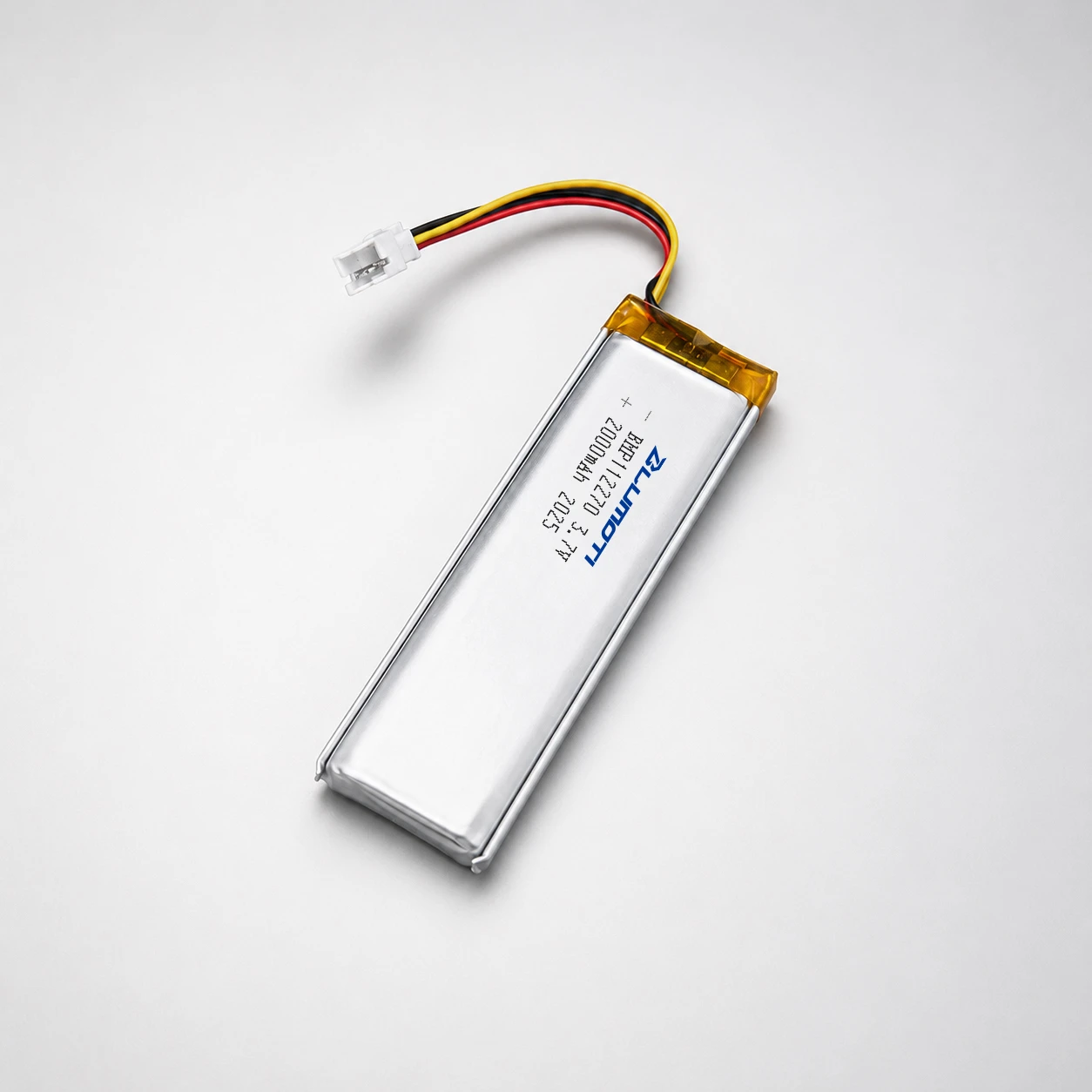


Hey there! As a supplier of high capacity lipo cells, I've seen firsthand the importance of protecting these powerhouses from short - circuits. Short - circuits can not only damage the lipo cells but also pose serious safety risks. So, let's dive into how we can keep these high capacity lipo cells safe.
Understanding the Basics of Short - Circuits in Lipo Cells
First off, what exactly is a short - circuit? A short - circuit happens when the positive and negative terminals of a lipo cell come into direct contact with each other, bypassing the normal electrical path. This creates a low - resistance connection, causing a large amount of current to flow rapidly. In high capacity lipo cells, this can lead to overheating, swelling, and in extreme cases, even fires or explosions.
There are several reasons why a short - circuit might occur. Physical damage to the cell, such as a puncture or a tear in the outer casing, can expose the internal electrodes and cause them to touch. Poorly designed or damaged connectors can also lead to short - circuits. For example, if the connectors are loose or have exposed metal parts, they can accidentally touch and create a short.
Design and Manufacturing Considerations
When it comes to protecting high capacity lipo cells from short - circuits, it all starts at the design and manufacturing stage. At our company, we take several steps to ensure the safety of our lipo cells.
We use high - quality materials for the cell casings. These casings are designed to be durable and resistant to physical damage. They act as a barrier, preventing external objects from coming into contact with the internal electrodes. For instance, we use tough plastic materials that can withstand minor impacts and scratches.
In addition to the casing, we also pay close attention to the internal design of the cells. We use advanced insulation materials to separate the positive and negative electrodes. This insulation helps to prevent the electrodes from touching each other, even if there is some movement or vibration inside the cell.
Another important aspect of our manufacturing process is quality control. We have strict testing procedures in place to ensure that each lipo cell meets our safety standards. Before a cell is shipped out, it goes through a series of tests, including short - circuit testing. This helps us to identify and eliminate any cells that might be at risk of short - circuiting.
Using Protection Circuits
One of the most effective ways to protect high capacity lipo cells from short - circuits is by using protection circuits. These circuits are designed to detect when a short - circuit occurs and automatically cut off the current flow.
A typical protection circuit consists of a microcontroller, a set of sensors, and a switch. The sensors monitor the voltage and current of the lipo cell. If the sensors detect a sudden increase in current, which could indicate a short - circuit, the microcontroller sends a signal to the switch to open the circuit. This stops the flow of current and protects the cell from damage.
There are different types of protection circuits available, and we offer lipo cells with built - in protection circuits. These circuits are integrated into the cell design, providing an extra layer of safety. For example, our Small Lithium Polymer Battery comes with a reliable protection circuit that ensures the cell is safe to use.
Proper Handling and Storage
Proper handling and storage of high capacity lipo cells are also crucial for preventing short - circuits. When handling the cells, it's important to be careful and avoid any actions that could cause physical damage. For example, don't drop the cells or subject them to excessive force.
When storing the cells, make sure they are kept in a cool, dry place. Avoid storing them in areas where they could be exposed to moisture or extreme temperatures. It's also a good idea to store the cells in a protective case or container to prevent them from coming into contact with other objects that could cause a short - circuit.
Maintenance and Inspection
Regular maintenance and inspection of high capacity lipo cells can help to identify and prevent potential short - circuit issues. Check the cells regularly for any signs of damage, such as swelling, leaks, or discoloration. If you notice any of these signs, it's important to stop using the cell immediately and replace it.


Inspect the connectors and wires for any signs of wear or damage. Loose or damaged connectors can increase the risk of short - circuits. If you find any problems with the connectors, replace them as soon as possible.
Training and Education
Finally, it's important to educate users about the proper use and handling of high capacity lipo cells. At our company, we provide training and educational materials to our customers. We explain the risks associated with short - circuits and how to prevent them.
We also offer support and advice to our customers. If they have any questions or concerns about the safety of our lipo cells, they can contact us, and we'll do our best to help them.
Conclusion
Protecting high capacity lipo cells from short - circuits is essential for ensuring their safety and longevity. By following the steps outlined above, including proper design and manufacturing, using protection circuits, handling and storing the cells correctly, and performing regular maintenance and inspection, we can minimize the risk of short - circuits.
If you're in the market for high capacity lipo cells, we're here to help. Our products, such as the Lithium Ion Polymer Battery 3.7V 500mAh and 1000 mAh Lipo, are designed with safety in mind. We're committed to providing high - quality lipo cells that meet your needs. If you have any questions or are interested in purchasing our products, feel free to reach out to us for a discussion.
References
- Battery University: "Lithium - Ion Safety"
- International Electrotechnical Commission (IEC) standards for lithium - ion batteries