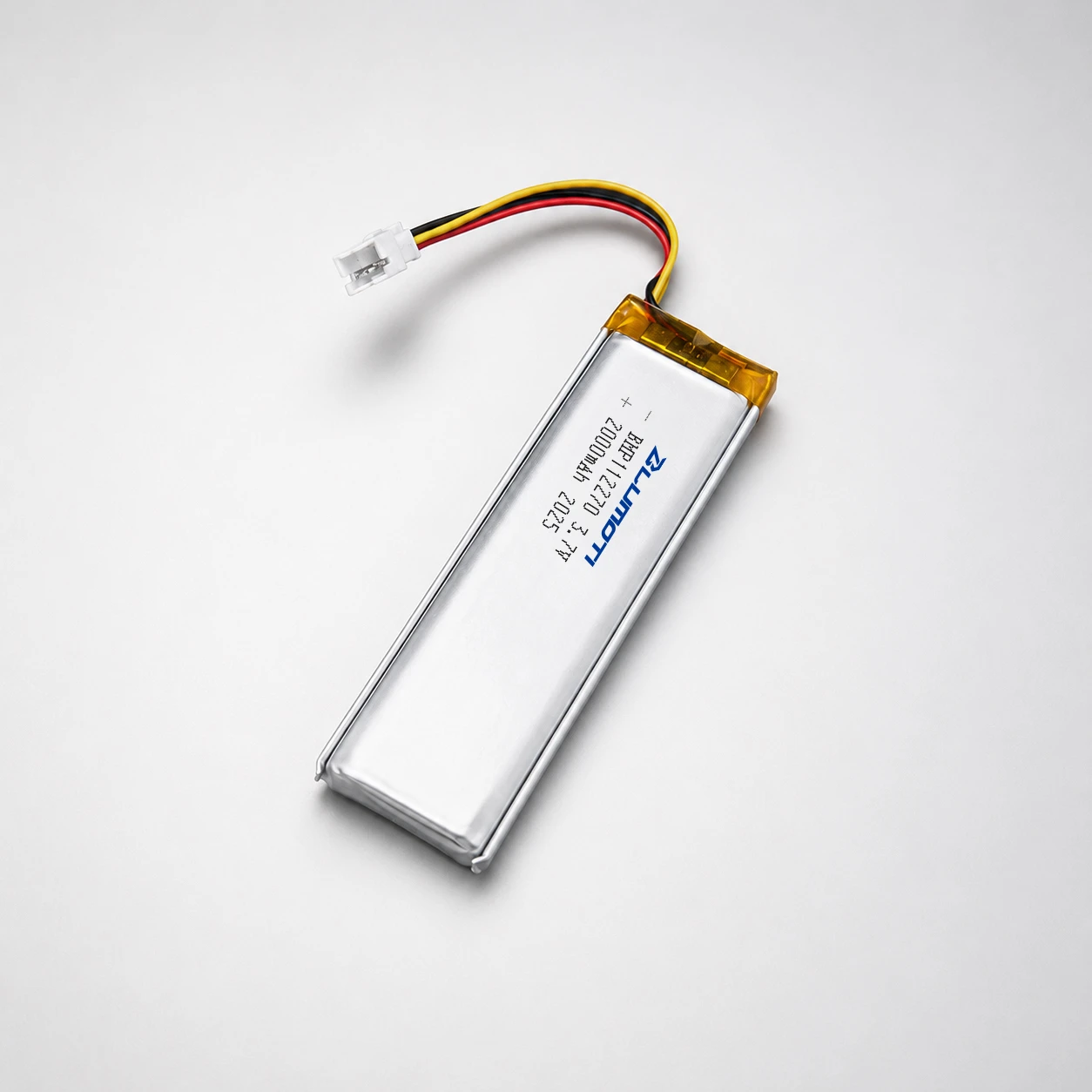


Hey there! As a supplier of high capacity lipo cells, I often get asked about how to tell if a high capacity lipo cell is fully charged. It's a crucial question, especially for those who rely on these cells for various applications, from RC vehicles to portable electronics. In this blog, I'll share some tips and tricks to help you determine when your high capacity lipo cell has reached its full charge.
First off, let's understand a bit about high capacity lipo cells. These cells are known for their high energy density, which means they can store a large amount of energy in a relatively small package. They're commonly used in devices that require a lot of power, like drones, electric cars, and high - performance RC models.
Voltage Reading
One of the most straightforward ways to tell if a high capacity lipo cell is fully charged is by checking its voltage. Each lipo cell has a specific voltage range. For a standard 3.7V lipo cell, a fully charged cell typically has a voltage of around 4.2V per cell. If you have a multi - cell lipo pack, say a 3S pack (which means it has three cells connected in series), the fully charged voltage would be around 12.6V (4.2V x 3).
You can use a multimeter to measure the voltage of your lipo cell. Just make sure to connect the multimeter probes correctly to the positive and negative terminals of the cell. If the voltage is close to the fully charged value, then your cell is likely fully charged. However, it's important to note that the voltage can drop slightly when the cell is under load. So, it's best to measure the voltage when the cell is at rest.
Charge Time
Another way to gauge if a high capacity lipo cell is fully charged is by keeping an eye on the charge time. Most high - quality chargers have a built - in timer. When you start charging your lipo cell, note down the start time. The charger will usually have a recommended charge time based on the capacity of the cell and the charging current.
For example, if you're charging a Lithium Polymer Battery 3.7V 6000mAh at a 1C rate (which means the charging current is equal to the capacity of the cell, so 6A for a 6000mAh cell), it should take about an hour to fully charge. Of course, this is a rough estimate, and factors like the charger's efficiency and the initial state of the cell can affect the actual charge time.
Temperature
The temperature of the lipo cell during charging can also give you a clue about its charge status. When a lipo cell is charging, it will generate some heat. However, if the cell gets too hot, it could be a sign of overcharging or a problem with the charging process.
A normal temperature range for a charging lipo cell is around 25 - 40 degrees Celsius. If the cell feels extremely hot to the touch, you should stop the charging process immediately and check for any issues. On the other hand, if the cell remains cool throughout the charging process, it might not be fully charged yet.
Charger Indicators
Most modern chargers come with indicators that show the charge status of the lipo cell. These indicators can be in the form of LED lights or a digital display. For example, a green light might indicate that the cell is fully charged, while a red light could mean it's still charging.
Some chargers also have a "trickle charge" mode, which kicks in when the cell is almost fully charged. This mode helps to top off the charge and ensures that the cell is fully saturated. Pay attention to these indicators and follow the charger's instructions to get an accurate reading of the charge status.


Capacity Testing
If you want a more accurate way to determine if a high capacity lipo cell is fully charged, you can perform a capacity test. This involves discharging the cell at a known current and measuring the amount of energy it can deliver.
You can use a battery analyzer or a discharge tester to perform this test. First, fully charge the cell using a reliable charger. Then, connect the cell to the discharge tester and set it to discharge at a specific current. The tester will measure the capacity of the cell as it discharges. If the measured capacity is close to the rated capacity of the cell, then it was fully charged.
Safety First
Before you start charging or testing your high capacity lipo cells, it's important to follow some safety guidelines. Lipo cells can be dangerous if not handled properly. Make sure to use a charger that is specifically designed for lipo cells and follow the manufacturer's instructions.
Also, never leave a charging lipo cell unattended. Keep the cell in a fire - proof container or on a fire - resistant surface in case of a thermal runaway. And always store your lipo cells in a cool, dry place.
Conclusion
Determining if a high capacity lipo cell is fully charged is not rocket science, but it does require some attention to detail. By checking the voltage, charge time, temperature, charger indicators, and performing capacity tests, you can ensure that your lipo cells are fully charged and ready to use.
If you're in the market for high quality high capacity lipo cells, we've got you covered. We offer a wide range of products, including Small lithium-ion polymer battery and High Voltage Lipo Battery. If you're interested in purchasing our products or have any questions, feel free to reach out to us. We're always happy to help you find the right lipo cells for your needs.
References
- Battery University: A comprehensive resource for battery - related information.
- Manufacturer's manuals for lipo cells and chargers.