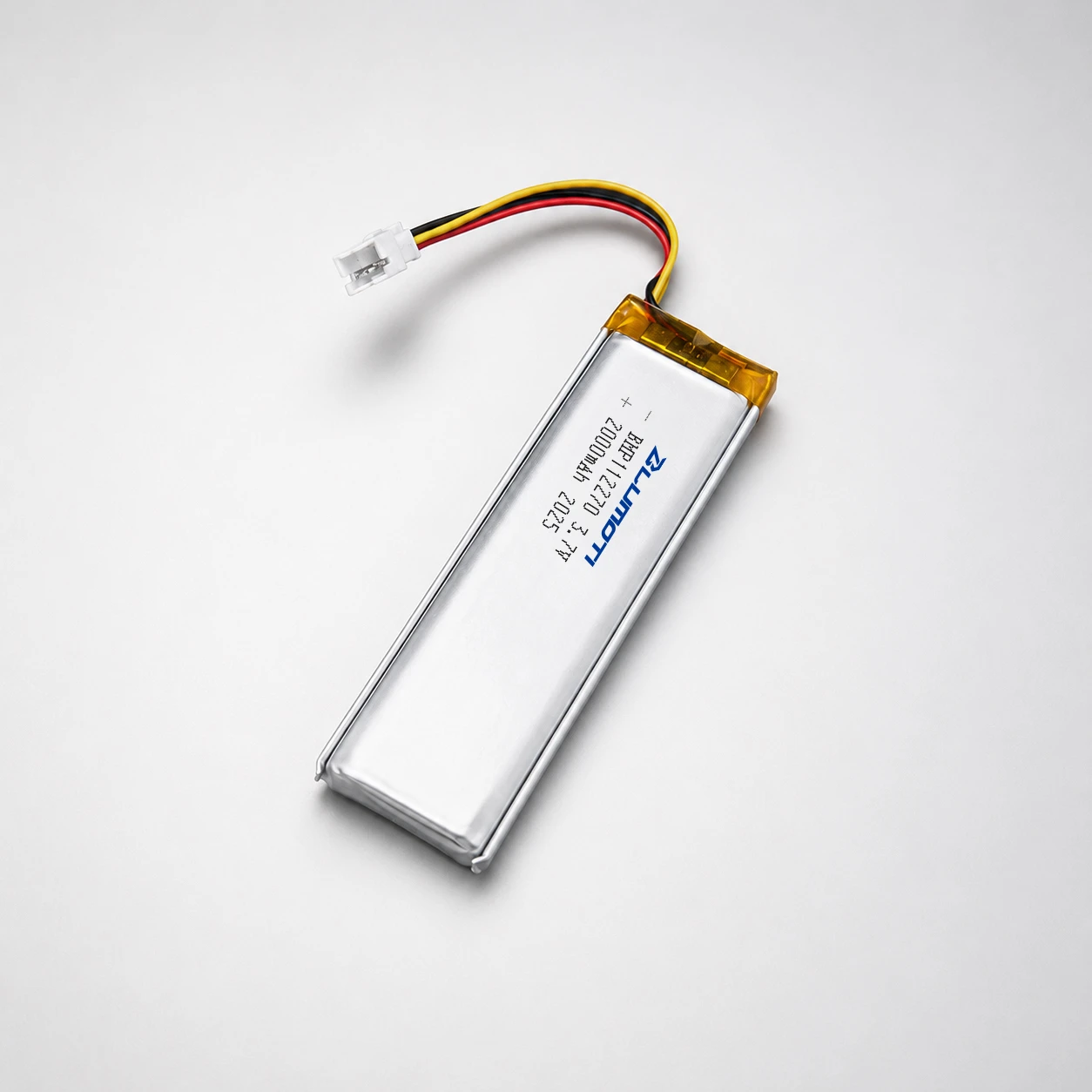


Hey there! I'm a supplier of high - rate lipo batteries, and while these batteries have some seriously cool features, they're not all sunshine and rainbows. In this blog, I'm gonna spill the beans on the disadvantages of high - rate lipo batteries.
1. Safety Risks
One of the biggest headaches with high - rate lipo batteries is safety. These batteries are like little energy bombs. When they're charged or discharged at high rates, they generate a ton of heat. And too much heat can lead to thermal runaway. That's when the battery overheats so badly that it can catch fire or even explode.
Let's say you're using a 50C Lipo Battery. The "50C" means it can discharge at 50 times its rated capacity. That's a crazy - high rate! All that power flowing out in a short time creates a lot of internal resistance, which in turn produces heat. If the battery doesn't have proper heat - dissipation mechanisms, things can go south real fast.
Another safety issue is overcharging and over - discharging. High - rate lipo batteries are more sensitive to these than regular batteries. Overcharging can cause the battery to swell up, and if it gets really bad, it can rupture. Over - discharging, on the other hand, can damage the battery's internal structure, reducing its lifespan and also increasing the risk of a short - circuit.
2. Cost
High - rate lipo batteries are expensive. I mean, really expensive. The technology and materials needed to make them capable of high - rate performance come at a premium.
To achieve high - rate capabilities, manufacturers have to use special electrode materials and advanced battery designs. These materials are often more costly to source and process. For example, they might use high - quality carbon nanotubes or other exotic materials in the electrodes to improve conductivity and power output.
Let's compare a 40C Lipo Battery with a regular battery. The 40C battery can deliver power at 40 times its rated capacity, but it'll cost you a whole lot more than a battery with a lower C - rating. If you're on a tight budget, the high cost of high - rate lipo batteries can be a real deal - breaker.
3. Limited Lifespan
The lifespan of high - rate lipo batteries is shorter compared to some other types of batteries. Every time you charge and discharge a high - rate lipo battery at a high rate, it takes a toll on the battery's internal components.


The high currents cause the electrodes to degrade faster. The active materials in the electrodes can break down over time, reducing the battery's capacity. This means that after a certain number of charge - discharge cycles, the battery won't be able to hold as much charge as it used to.
For instance, a 5C Lipo Battery might have a longer lifespan than a 50C battery because it's not being pushed as hard during each charge - discharge cycle. The lower the C - rating, the less stress on the battery, and the longer it's likely to last.
4. Storage Requirements
High - rate lipo batteries need special care when it comes to storage. They can't just be tossed in a drawer and forgotten about.
These batteries should be stored at a specific state of charge, usually around 50% - 60%. If they're stored fully charged for a long time, the battery's internal chemistry can change, leading to a loss of capacity and an increased risk of self - discharge. On the other hand, if they're stored completely discharged, it can cause irreversible damage to the battery.
Temperature also plays a big role in storage. High - rate lipo batteries should be stored in a cool, dry place. High temperatures can accelerate the degradation process, while extremely low temperatures can reduce the battery's performance. So, you need to have a proper storage environment to keep these batteries in good condition.
5. Environmental Impact
The production and disposal of high - rate lipo batteries have a significant environmental impact. The manufacturing process involves the use of various chemicals and heavy metals. These can be harmful to the environment if not properly managed.
When it comes to disposal, high - rate lipo batteries can't just be thrown in the regular trash. They need to be recycled properly to prevent the release of toxic substances into the environment. But recycling these batteries is a complex and costly process.
The high energy consumption during the manufacturing process also contributes to greenhouse gas emissions. As more and more high - rate lipo batteries are produced, the environmental footprint of the battery industry is growing.
6. Compatibility Issues
High - rate lipo batteries might not be compatible with all devices. Some older or low - power devices are designed to work with batteries that have lower power outputs. If you try to use a high - rate lipo battery in such a device, it could cause damage to the device's electronics.
The voltage and current requirements of high - rate lipo batteries are different from those of other batteries. For example, a device that's designed for a regular AA battery might not be able to handle the high voltage and current output of a high - rate lipo battery. So, you need to make sure that your device is compatible with the high - rate lipo battery before using it.
Wrapping It Up
Despite all these disadvantages, high - rate lipo batteries still have their place in the market. They're great for applications that require high - power output, like drones, RC cars, and high - performance power tools.
If you're in the market for high - rate lipo batteries, it's important to weigh the pros and cons. Make sure you understand the safety risks and take the necessary precautions. And if you have any questions or are interested in purchasing high - rate lipo batteries, feel free to reach out. We're here to help you find the right battery for your needs.
References
- Linden, D., & Reddy, T. B. (2002). Handbook of Batteries. McGraw - Hill.
- Tarascon, J. M., & Armand, M. (2001). Issues and challenges facing rechargeable lithium batteries. Nature, 414(6861), 359 - 367.