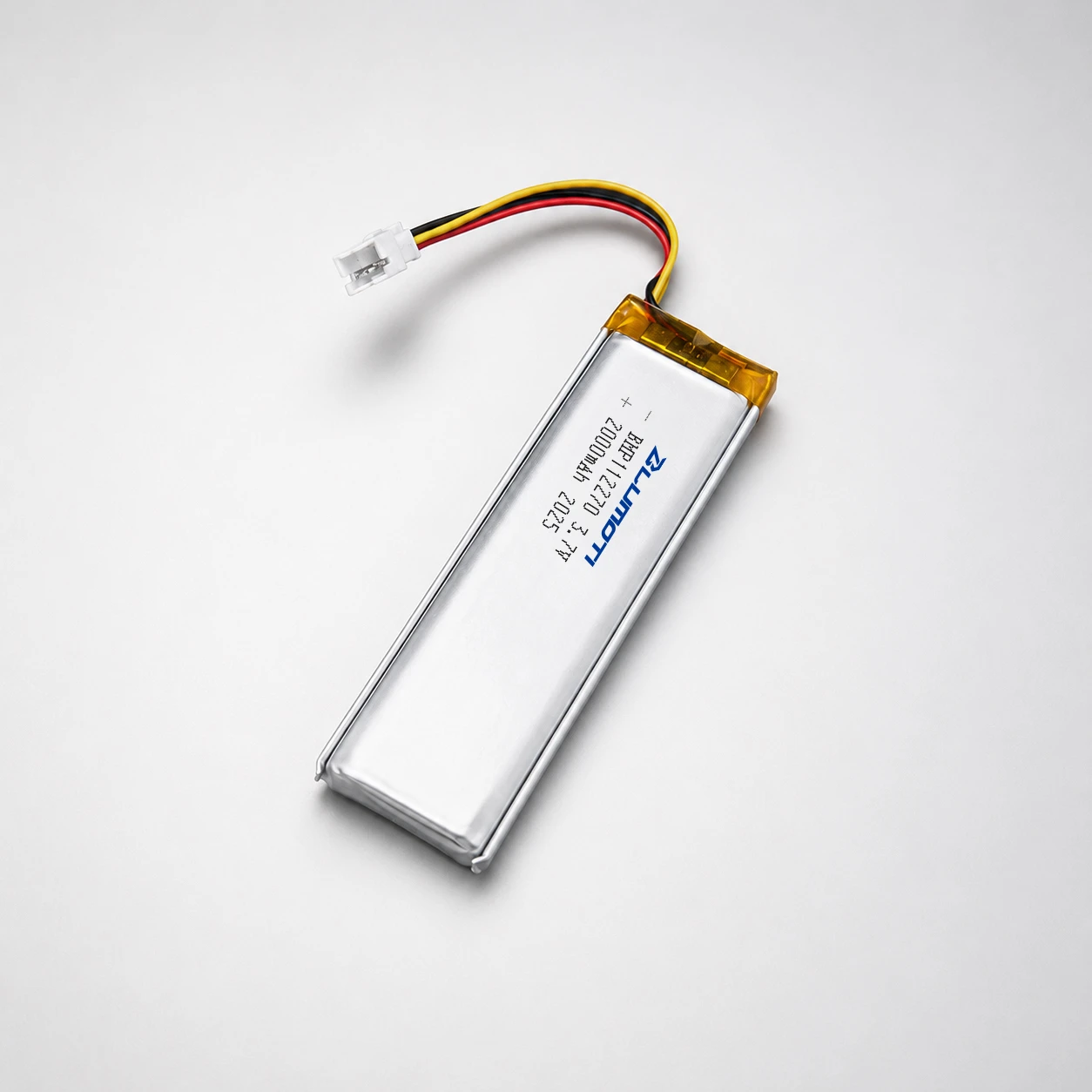


As a trusted supplier of small lithium polymer batteries, I've received numerous inquiries about the differences between these batteries and other types of lithium batteries. In this blog, I'll delve into the unique features and disparities that make small lithium polymer batteries stand out.


1. Structure and Composition
First and foremost, let's talk about the structure and composition. Unlike traditional lithium - ion batteries or lithium - iron - phosphate batteries, small lithium polymer batteries have a distinct design.
Lithium polymer batteries use a polymer electrolyte, which can be a dry solid polymer electrolyte or a gel - like polymer electrolyte. This is in contrast to lithium - ion batteries, which typically use a liquid electrolyte. The use of a polymer electrolyte allows for more flexibility in battery design. For example, small lithium polymer batteries can be made into various shapes, such as thin, flat, or even custom - shaped forms to fit specific device requirements.
In terms of electrodes, both lithium polymer and other lithium - based batteries use lithium - containing compounds. However, the way these electrodes are arranged and the materials used can vary. Small lithium polymer batteries often have electrodes that are more closely packed, which can lead to a higher energy density in some cases.
2. Energy Density
Energy density is a crucial factor when it comes to batteries, especially for small - sized devices where space is limited. Small lithium polymer batteries generally have a high energy density. This means they can store a relatively large amount of energy in a small and lightweight package.
Compared to lithium - iron - phosphate batteries, which are known for their safety and long cycle life, lithium polymer batteries usually pack more energy per unit volume. This makes them an ideal choice for portable electronics such as smartwatches, wireless earbuds, and some small drones. You can check out our Lithium Ion Polymer Battery 3.7V 500mAh, which offers a good balance of energy density and size.
On the other hand, traditional lithium - ion batteries may have a slightly different energy density profile. While they are also used in a wide range of applications, small lithium polymer batteries often have the edge in extremely space - constrained devices.
3. Safety
Safety is of utmost importance in the battery industry. Small lithium polymer batteries offer several safety advantages. Since they use a polymer electrolyte instead of a liquid electrolyte, the risk of leakage is significantly reduced. Leakage of liquid electrolytes in lithium - ion batteries can cause short - circuits, thermal runaway, and even fires in extreme cases.
In addition, lithium polymer batteries are more resistant to swelling and puncture. The polymer electrolyte provides a certain degree of flexibility and protection, which helps prevent internal short - circuits caused by physical damage. However, it's still important to follow proper charging and usage guidelines for all lithium - based batteries.
We also offer High Voltage Lipo Battery, which is designed with advanced safety features to ensure reliable performance.
4. Cost
Cost is a significant consideration for both manufacturers and consumers. Small lithium polymer batteries generally tend to be more expensive than some other types of lithium batteries, such as lithium - iron - phosphate batteries. This is mainly due to the more complex manufacturing process and the use of specialized polymer electrolytes.
However, the cost - effectiveness of small lithium polymer batteries should be evaluated based on the specific application. For high - end portable electronics where size, energy density, and safety are critical, the additional cost may be justified.
5. Performance in Different Environments
The performance of small lithium polymer batteries can vary depending on the environmental conditions. They typically work well in a relatively wide temperature range, but their performance may degrade at extremely low or high temperatures.
At low temperatures, the internal resistance of lithium polymer batteries increases, which can lead to a decrease in capacity and power output. In contrast, at high temperatures, the battery's self - discharge rate may increase, and there is a higher risk of thermal instability.
Compared to other lithium - based batteries, lithium polymer batteries may have slightly different temperature - performance characteristics. For example, lithium - iron - phosphate batteries are known for their better performance at high temperatures.
6. Application Scope
The unique characteristics of small lithium polymer batteries make them suitable for a wide range of applications. Their small size, high energy density, and flexibility in design make them a popular choice for wearable devices, such as fitness trackers and smart glasses.
They are also widely used in small unmanned aerial vehicles (drones) and radio - controlled toys. These applications require a battery that can provide a high power output in a small form factor. You can explore our 1000 mAh Lipo, which is suitable for many of these applications.
Traditional lithium - ion batteries, on the other hand, are more commonly used in larger devices such as laptops and electric vehicles. Lithium - iron - phosphate batteries are often preferred for applications where long - term safety and cycle life are crucial, such as energy storage systems.
Conclusion
In conclusion, small lithium polymer batteries have several distinct differences from other types of lithium batteries. Their unique structure, high energy density, enhanced safety, and flexibility in application make them a valuable option for a variety of small - sized electronic devices.
If you are in the market for high - quality small lithium polymer batteries, we are here to provide you with the best solutions. Our team of experts can help you choose the right battery for your specific needs. Whether you are a manufacturer looking to integrate batteries into your products or a consumer in search of reliable power sources, don't hesitate to reach out and start a procurement discussion.
References
- Battery University: A comprehensive resource for battery knowledge, covering various aspects of lithium - based batteries.
- Research papers on lithium battery technology from scientific journals, which provide in - depth analysis of the structure, performance, and safety of different lithium battery types.