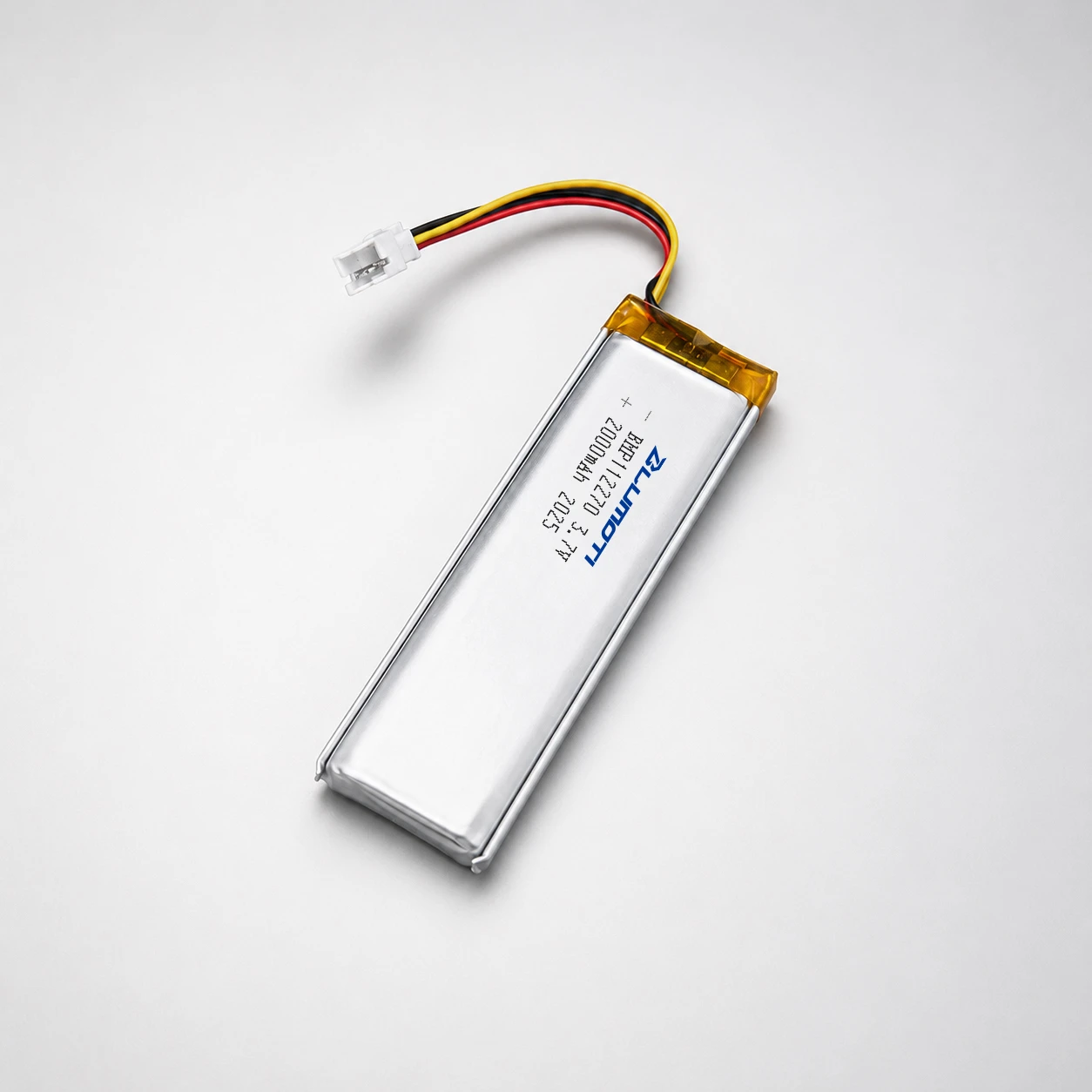


Hey there! As a supplier of High Voltage Lipo Batteries, I often get asked about the self - discharge rate of these power - packed little wonders. So, let's dive right in and break it down.
First off, what's self - discharge? Well, it's basically the rate at which a battery loses its charge when it's just sitting there, not being used. You know how your phone battery might lose a bit of charge even when it's turned off? That's self - discharge in action.
High Voltage Lipo Batteries are known for their high energy density and power output, which makes them super popular in all sorts of applications, from RC cars and drones to portable electronics. But just like any other battery, they have this self - discharge thing going on.
The self - discharge rate of a High Voltage Lipo Battery isn't a fixed number. It can vary depending on a bunch of factors. One of the main factors is the temperature. Batteries don't like extreme temperatures. When it's too hot, the chemical reactions inside the battery speed up, and that leads to a higher self - discharge rate. On the flip side, in really cold temperatures, the battery's internal resistance goes up, and the self - discharge rate can also be affected.
Another factor is the state of charge. A fully charged High Voltage Lipo Battery will usually have a different self - discharge rate compared to a partially charged one. Generally, a battery that's fully charged might have a slightly higher self - discharge rate initially.
The quality of the battery also plays a huge role. Higher - quality batteries, like the ones we supply, are made with better materials and manufacturing processes. This means they tend to have a lower self - discharge rate compared to cheaper, lower - quality alternatives.
Let's talk numbers. On average, a High Voltage Lipo Battery might have a self - discharge rate of around 1 - 3% per month under normal conditions. But again, this can change based on the factors we just talked about. For example, if you leave your battery in a hot car for a month, that self - discharge rate could jump up significantly.
Now, why does the self - discharge rate matter? Well, if you're using a High Voltage Lipo Battery in a device that you don't use very often, like a backup power source for your emergency lights, a high self - discharge rate means you'll have to recharge it more frequently. That can be a hassle and also reduce the overall lifespan of the battery.
On the other hand, if you're in the RC hobby, a high self - discharge rate can mean that your battery might not have enough power when you're ready to take your car or drone out for a spin. You don't want to be all set for a fun day of flying or racing, only to find out your battery is too low on charge.
As a supplier, we understand the importance of a low self - discharge rate. That's why we work hard to ensure that our High Voltage Lipo Batteries are of the highest quality. We use advanced technology and top - notch materials to keep that self - discharge rate as low as possible.
We offer a wide range of High Voltage Lipo Batteries to suit different needs. For example, if you're looking for a smaller battery, check out our 50mah Lithium Polymer Battery. It's perfect for small, low - power devices.
If you need a bit more power, our 1000 mAh Lipo is a great option. It can handle more demanding applications while still maintaining a reasonable self - discharge rate.


And for those who need even more juice, our Rechargeable Li Ion Battery 3.7V 2000mah is a powerhouse. It's designed to provide long - lasting power with a low self - discharge rate.
So, how can you manage the self - discharge of your High Voltage Lipo Battery? First, store it at the right temperature. A cool, dry place is ideal. Avoid leaving it in direct sunlight or in a freezing cold garage.
Second, keep an eye on the state of charge. If you're not going to use the battery for a while, it's a good idea to store it at around 50 - 60% charge. This can help reduce the self - discharge rate and also extend the battery's lifespan.
Finally, make sure you're using a good quality charger. A charger that's designed for High Voltage Lipo Batteries will charge the battery correctly and help maintain its performance over time.
In conclusion, the self - discharge rate of a High Voltage Lipo Battery is an important factor to consider when choosing a battery for your application. By understanding the factors that affect it and taking the right steps to manage it, you can get the most out of your battery.
If you're in the market for High Voltage Lipo Batteries, whether it's for your personal projects or for your business, we'd love to talk to you. We have a team of experts who can help you choose the right battery for your needs. Just reach out, and let's start a conversation about how we can power your next venture.
References
- Battery University: A great resource for all things battery - related, including self - discharge rates and battery care.
- Industry reports on High Voltage Lipo Batteries, which provide in - depth analysis of battery performance and factors affecting self - discharge.