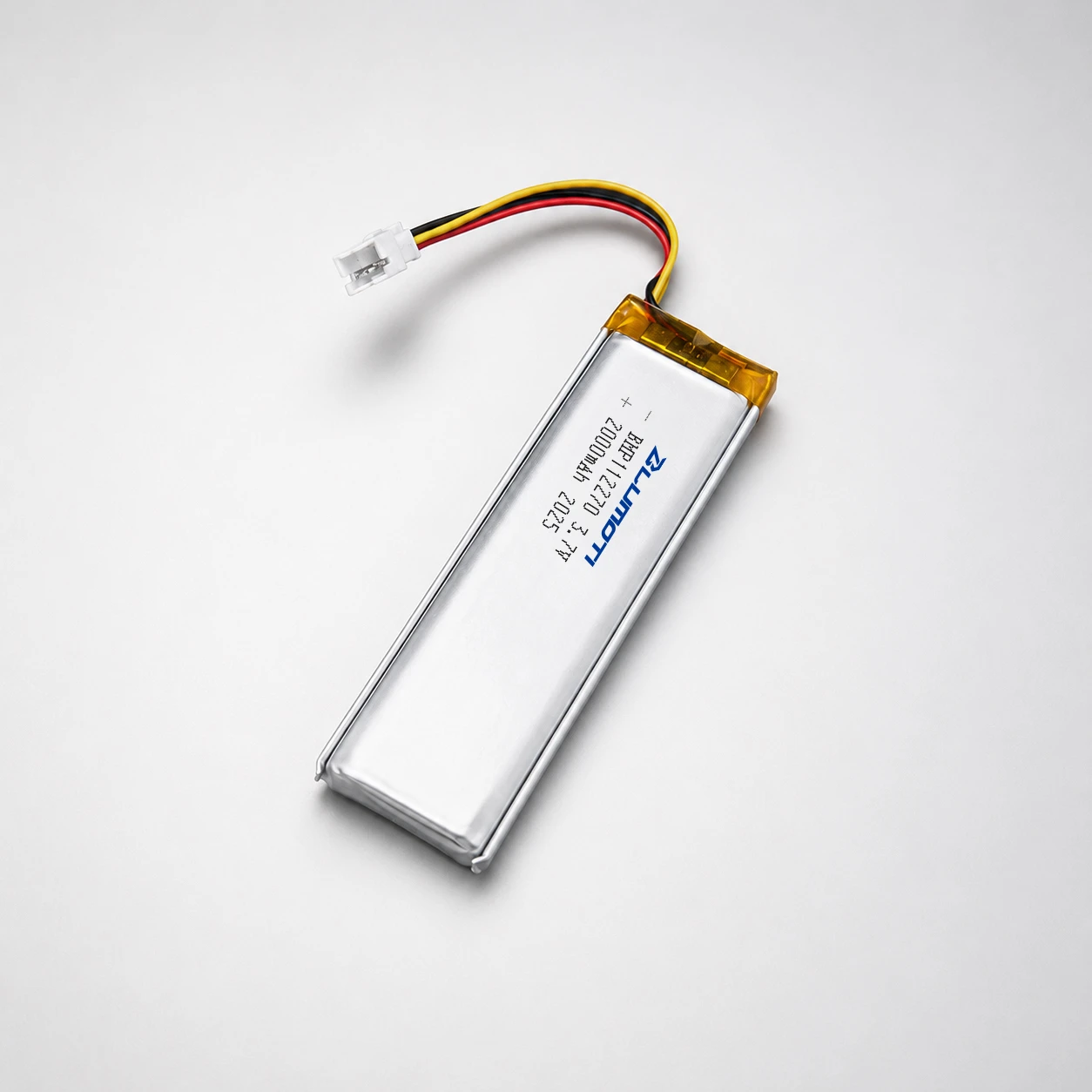


Do lithium battery cells have a memory effect? This is a question that often comes up in the world of battery technology, and as a lithium battery cell supplier, I'm here to shed some light on this topic.


Understanding the Memory Effect
The memory effect is a phenomenon that was commonly associated with older battery chemistries, particularly nickel-cadmium (NiCd) batteries. In NiCd batteries, if they were repeatedly recharged before being fully discharged, they would "remember" the reduced capacity and gradually lose their ability to hold a full charge. This was due to the formation of crystalline structures within the battery that restricted the flow of ions and reduced the overall efficiency of the battery.
Lithium Battery Chemistry and Memory Effect
Lithium battery cells, which include lithium-ion (Li-ion) and lithium-polymer (LiPo) batteries, operate on a different chemical principle compared to NiCd batteries. These batteries use lithium ions to move between the anode and the cathode during charging and discharging cycles. The chemical reactions in lithium batteries are designed to be more reversible and less prone to the formation of the crystalline structures that cause the memory effect.
In general, modern lithium battery cells do not suffer from the traditional memory effect. This is because the materials and design of lithium batteries are optimized to prevent the formation of the memory - causing structures. However, it's important to note that lithium batteries can still experience capacity degradation over time, but this is due to different factors rather than the memory effect.
Factors Affecting Lithium Battery Capacity
- Temperature: High temperatures can accelerate the chemical reactions within the battery, leading to increased self - discharge and degradation of the battery's electrodes. For example, if a lithium battery is stored or used in a hot environment, the capacity may decrease more rapidly.
- Charge and Discharge Cycles: Every time a lithium battery is charged and discharged, there is a small amount of wear and tear on the battery's components. Over a large number of cycles, this can lead to a gradual reduction in capacity.
- Depth of Discharge: While lithium batteries do not have a memory effect, discharging them too deeply on a regular basis can still cause damage. It is generally recommended to keep the depth of discharge between 20% and 80% to maximize the battery's lifespan.
Our Lithium Battery Cell Offerings
As a lithium battery cell supplier, we offer a wide range of high - quality lithium battery products. For example, our 15C Lipo Battery is designed for high - power applications. It can provide a high discharge rate, making it suitable for use in drones, electric vehicles, and other high - performance devices.
Our Small lithium - ion polymer battery is ideal for small electronic devices such as smartwatches, earbuds, and other portable gadgets. These batteries are compact, lightweight, and offer a good balance between capacity and size.
We also have the 260Wh/kg Semi - solid Lipo Battery, which is a cutting - edge product in the lithium battery market. With a high energy density of 260Wh/kg, this battery can provide longer runtimes and better performance for a variety of applications.
Maintaining Lithium Battery Cells
To ensure the longevity and performance of lithium battery cells, here are some best practices:
- Proper Charging: Use a charger that is specifically designed for lithium batteries. Overcharging or undercharging can damage the battery. Most modern chargers have built - in protection circuits to prevent overcharging.
- Storage Conditions: Store lithium batteries in a cool, dry place. Avoid storing them at high temperatures or in direct sunlight. If you need to store a battery for an extended period, it is recommended to charge it to around 50% capacity.
- Regular Use: Lithium batteries perform best when they are used regularly. If a battery is left unused for a long time, it may self - discharge and lose some of its capacity.
Conclusion
In conclusion, lithium battery cells do not have the traditional memory effect associated with older battery chemistries. However, they are still subject to capacity degradation due to factors such as temperature, charge and discharge cycles, and depth of discharge. As a lithium battery cell supplier, we are committed to providing high - quality products and helping our customers understand how to properly use and maintain their lithium batteries.
If you are interested in our lithium battery cell products, we invite you to contact us for more information and to discuss your specific requirements. Our team of experts is ready to assist you in finding the best battery solution for your application.
References
- Linden, D., & Reddy, T. B. (2002). Handbook of Batteries. McGraw - Hill.
- Tarascon, J. M., & Armand, M. (2001). Issues and challenges facing rechargeable lithium batteries. Nature, 414(6861), 359 - 367.