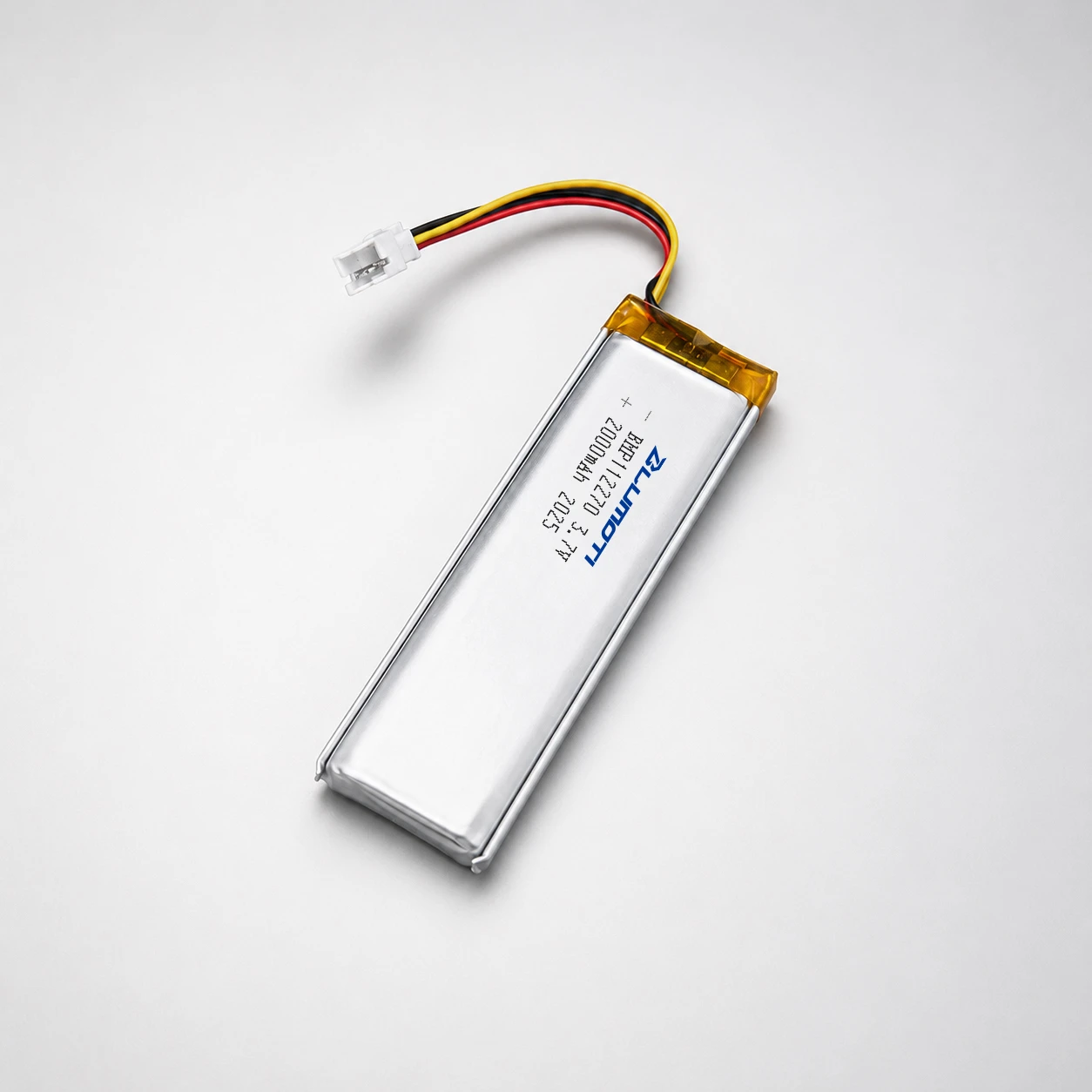


As a supplier of small lithium polymer batteries, I often encounter inquiries from customers about the maximum storage temperature for these batteries. Understanding this crucial parameter is essential for ensuring the longevity, safety, and performance of the batteries. In this blog post, I will delve into the science behind the maximum storage temperature of small lithium polymer batteries, discuss the implications of improper storage, and provide practical guidelines for optimal storage conditions.
The Science Behind Lithium Polymer Batteries
Lithium polymer batteries, also known as LiPo batteries, are a type of rechargeable battery that uses a lithium-ion conducting polymer electrolyte. These batteries are popular in a wide range of applications, including consumer electronics, drones, and electric vehicles, due to their high energy density, lightweight design, and flexibility.
The performance and lifespan of lithium polymer batteries are significantly influenced by temperature. At high temperatures, the chemical reactions within the battery accelerate, leading to increased self-discharge rates, electrolyte decomposition, and electrode degradation. These processes can cause a reduction in battery capacity, an increase in internal resistance, and ultimately, a shorter battery lifespan.
Maximum Storage Temperature for Small Lithium Polymer Batteries
The maximum storage temperature for small lithium polymer batteries typically ranges from 40°C to 60°C (104°F to 140°F), depending on the specific battery chemistry and manufacturer's recommendations. It is important to note that exceeding this temperature range can have severe consequences for the battery's performance and safety.
When stored at temperatures above the recommended maximum, lithium polymer batteries are at risk of thermal runaway, a self-sustaining reaction that can lead to overheating, fire, or explosion. Additionally, high temperatures can cause the battery's electrolyte to evaporate, leading to a loss of capacity and an increase in internal resistance.
Implications of Improper Storage
Storing small lithium polymer batteries at temperatures outside the recommended range can have several negative implications, including:


- Reduced Battery Capacity: High temperatures can cause the battery's electrodes to degrade, leading to a loss of capacity over time. This can result in shorter battery life and reduced performance.
- Increased Self-Discharge Rate: At high temperatures, the battery's self-discharge rate increases, meaning that it will lose charge more quickly when not in use. This can be particularly problematic for batteries that are stored for long periods of time.
- Safety Risks: Exceeding the maximum storage temperature can increase the risk of thermal runaway, which can lead to fire or explosion. This is a serious safety concern, especially in applications where the battery is used in close proximity to people or flammable materials.
Optimal Storage Conditions
To ensure the longevity and safety of small lithium polymer batteries, it is important to store them under optimal conditions. Here are some practical guidelines to follow:
- Temperature Control: Store the batteries in a cool, dry place with a temperature between 20°C and 25°C (68°F and 77°F). Avoid exposing the batteries to direct sunlight or high temperatures, such as in a hot car or near a heat source.
- Charge Level: Store the batteries at a charge level between 40% and 60%. This helps to minimize self-discharge and reduce the risk of overcharging or over-discharging.
- Storage Container: Use a fireproof storage container or case to store the batteries. This helps to contain any potential fires or explosions and provides an additional layer of safety.
- Regular Inspection: Periodically inspect the batteries for signs of damage or swelling. If you notice any abnormalities, stop using the battery immediately and dispose of it properly.
Conclusion
In conclusion, the maximum storage temperature for small lithium polymer batteries is a critical parameter that can significantly impact the battery's performance, lifespan, and safety. By understanding the science behind lithium polymer batteries and following the recommended storage guidelines, you can ensure that your batteries remain in optimal condition and provide reliable performance for years to come.
If you are interested in purchasing High Voltage Lipo Battery, Small lithium-ion polymer battery, or 50mah Lithium Polymer Battery, please feel free to contact us for more information and to discuss your specific requirements. We are committed to providing high-quality products and excellent customer service, and we look forward to working with you.
References
- "Lithium-Ion Battery Safety: A Review." Journal of Power Sources, vol. 248, no. 1, 2014, pp. 1125-1140.
- "Temperature Effects on Lithium-Ion Batteries." Journal of The Electrochemical Society, vol. 156, no. 10, 2009, pp. A838-A844.
- "Lithium Polymer Batteries: A Review." Journal of Power Sources, vol. 195, no. 12, 2010, pp. 3911-3924.