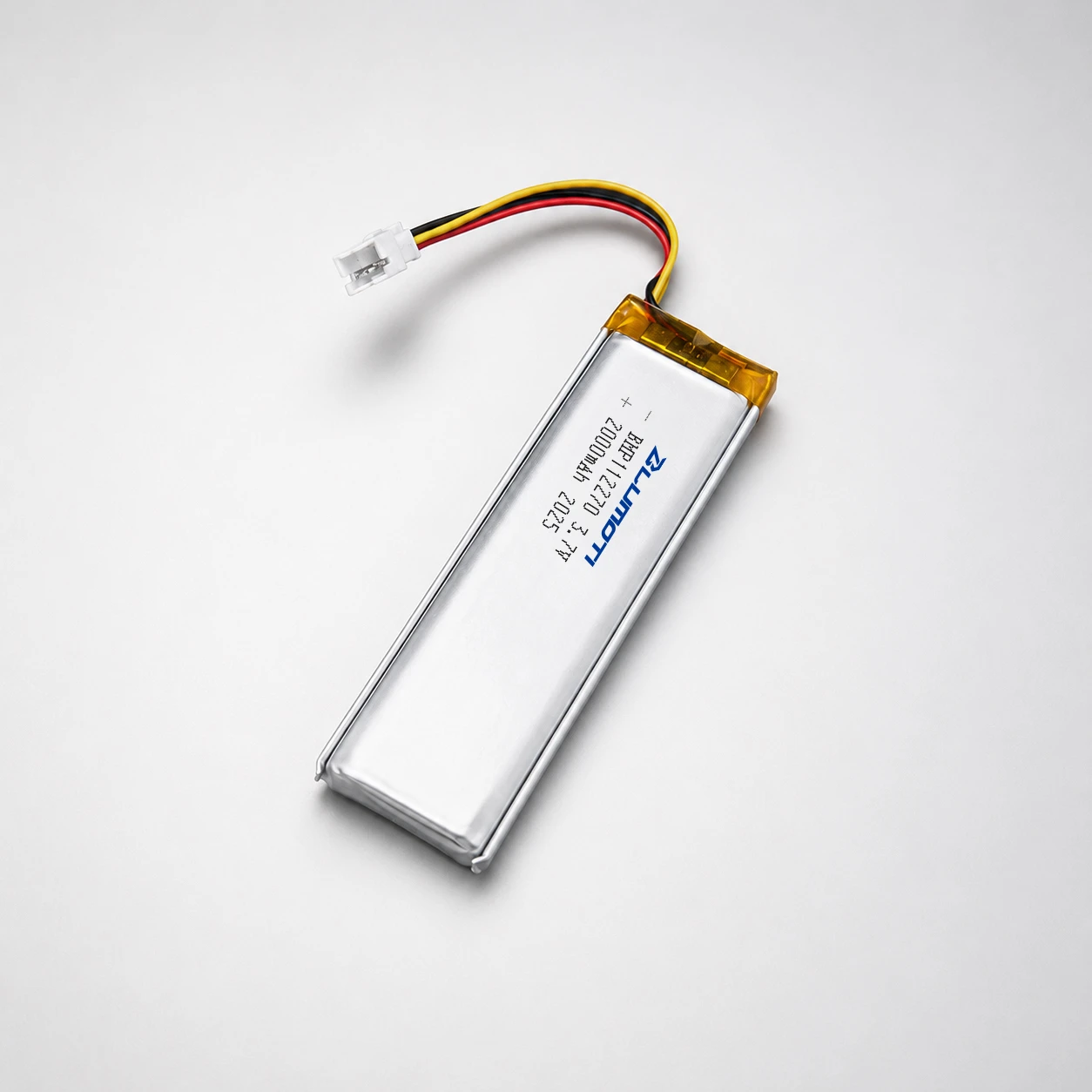


Hey there, fellow RC enthusiasts and power-hungry gadget lovers! I'm [Your Name], and I'm stoked to walk you through the ins and outs of choosing a high-rate lipo pack. As a supplier in the high-rate lipo game, I've seen it all, from the wildest RC stunts to the most demanding power applications. So, let's dive right in!
What the Heck is a High-Rate Lipo Pack?
First things first, let's break down what a high-rate lipo pack is. "Lipo" stands for lithium polymer, a type of rechargeable battery known for its high energy density and lightweight design. A high-rate lipo pack is specifically engineered to deliver a large amount of current in a short period. This makes it perfect for applications that require a sudden burst of power, like RC cars, drones, and high-performance electronics.
Why Do You Need a High-Rate Lipo Pack?
If you're into RC hobbies, you know that performance is everything. A high-rate lipo pack can take your RC experience to the next level. It provides the power needed to make your RC vehicle zoom, your drone soar, or your electronic device run at full throttle. Without a high-rate lipo, you might find your RC toys sluggish or your electronics underperforming.
Key Factors to Consider When Choosing a High-Rate Lipo Pack
1. Discharge Rate (C Rating)
The C rating is one of the most important factors to consider when choosing a high-rate lipo pack. It indicates the maximum current the battery can safely deliver. For example, a 10C discharge rate means the battery can discharge at 10 times its rated capacity. So, if you have a 2000mAh battery with a 10C rating, it can deliver a maximum current of 20A (2000mAh x 10C = 20A).
Higher C ratings generally mean more power, but they also come at a higher cost. You need to choose a C rating that matches your specific needs. If you're into high-speed RC racing, you'll probably want a higher C rating, like 35C. Check out our 35C Lithium Polymer Battery Pack for some serious power. On the other hand, if you're using your RC for more casual flying or driving, a lower C rating, like 10C, might be sufficient. You can find our 10C Discharge Rate Lithium Polymer battery Pack here.
2. Capacity (mAh)
The capacity of a lipo pack is measured in milliampere-hours (mAh). It tells you how much energy the battery can store. A higher capacity means longer run times, but it also means a heavier and bulkier battery. You need to find the right balance between capacity and weight for your application.
If you're using your RC for short bursts of high-speed action, you might not need a large capacity battery. However, if you're planning on long flights or extended driving sessions, a higher capacity battery will be more suitable.
3. Voltage
The voltage of a lipo pack is another important factor. Most lipo packs come in 3.7V per cell. You can have multiple cells connected in series to increase the voltage. For example, a 2S lipo pack has two cells connected in series, giving a total voltage of 7.4V (3.7V x 2).
Make sure the voltage of the lipo pack you choose is compatible with your device. Using a battery with the wrong voltage can damage your device or cause it to malfunction.
4. Size and Weight
The size and weight of the lipo pack can also affect its performance. A smaller, lighter battery is more suitable for applications where weight is a critical factor, like drones. On the other hand, a larger, heavier battery might be better for applications where space is not an issue and you need more power.
5. Brand and Quality
When it comes to lipo packs, you get what you pay for. It's important to choose a reputable brand that uses high-quality materials and manufacturing processes. A cheap, low-quality lipo pack might save you some money upfront, but it could also be dangerous and unreliable.
At our company, we take pride in offering high-quality high-rate lipo packs that are built to last. We use the latest technology and the best materials to ensure our batteries are safe, reliable, and perform at their best.
How to Test a High-Rate Lipo Pack
Once you've chosen a high-rate lipo pack, it's important to test it before using it in your device. Here are some simple steps to test your lipo pack:
- Charge the battery: Use a compatible charger to charge the battery to its full capacity. Make sure to follow the manufacturer's instructions for charging.
- Check the voltage: Use a multimeter to check the voltage of the battery. The voltage should be within the recommended range for the battery.
- Perform a load test: Connect the battery to a load, such as an RC motor or a resistor, and measure the current and voltage. The battery should be able to deliver the required current without dropping the voltage too much.
- Check for swelling or damage: Inspect the battery for any signs of swelling, damage, or leakage. If you notice any problems, do not use the battery and contact the manufacturer.
Tips for Using and Maintaining High-Rate Lipo Packs
Here are some tips to help you get the most out of your high-rate lipo packs:


- Charge properly: Use a compatible charger and follow the manufacturer's instructions for charging. Overcharging or undercharging can damage the battery and reduce its lifespan.
- Store properly: Store your lipo packs in a cool, dry place. Avoid storing them in extreme temperatures or in direct sunlight.
- Use a battery monitor: A battery monitor can help you keep track of the voltage and current of your lipo pack. This can help you avoid over-discharging the battery, which can damage it.
- Handle with care: Lipo packs are fragile and can be easily damaged. Avoid dropping, puncturing, or crushing the battery.
Conclusion
Choosing the right high-rate lipo pack is crucial for getting the most out of your RC toys and electronic devices. By considering factors like the C rating, capacity, voltage, size, and weight, you can find a battery that meets your specific needs. And remember, always choose a high-quality battery from a reputable brand.
If you're interested in purchasing high-rate lipo packs, we'd love to hear from you. Our team of experts is ready to help you find the perfect battery for your application. Contact us today to start a discussion about your power needs.
References
- RC Battery Guide: Understanding Lipo Batteries. (n.d.). Retrieved from [Website Name]
- How to Choose the Right Lipo Battery for Your RC Vehicle. (n.d.). Retrieved from [Website Name]