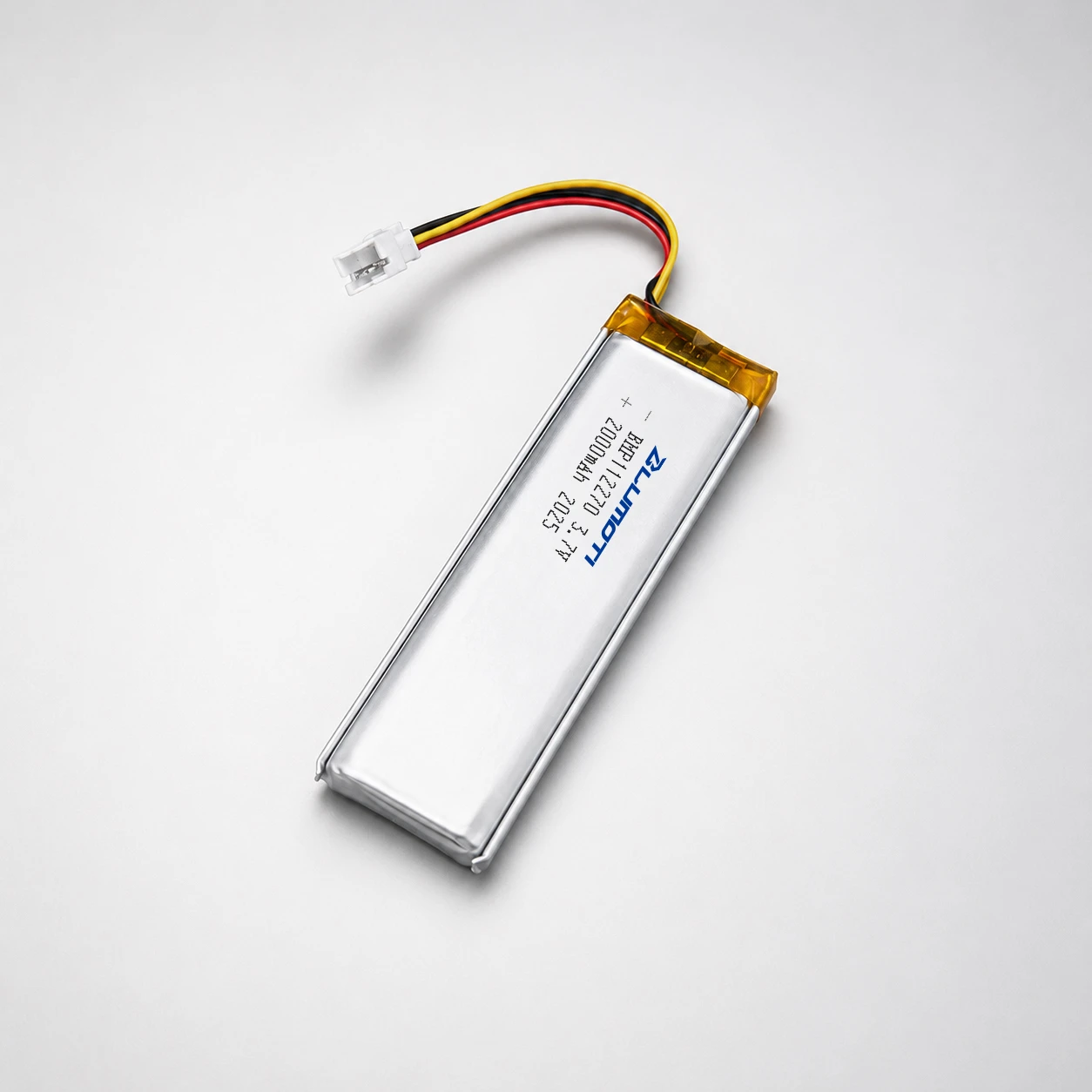


Yo, fellow battery enthusiasts! As a supplier of small lithium polymer batteries, I'm super stoked to chat about one of the most critical aspects of these powerhouses – the discharge curve.
First things first, what exactly is a discharge curve? Well, it's like a map that shows how the voltage of a battery changes over time as it discharges. You know, like how your energy levels drop after a long day at work or a crazy workout. For small lithium polymer batteries, understanding this curve is crucial because it tells you how well the battery can hold its voltage and, ultimately, how long it can power your devices.
Let's break it down a bit. The discharge curve typically has three main phases: the flat part, the slope, and the cut - off. In the flat part of the curve, the voltage remains relatively stable. This is the sweet spot where your battery is delivering a consistent amount of power to your device. It's like having a steady stream of energy flowing to keep things running smoothly.
For example, take our 3.7 V 100mAh Lipo Battery. When it starts discharging, you'll notice that the voltage stays pretty close to 3.7V for a decent amount of time. This is ideal for devices that require a stable power supply, like small drones or some portable sensors. You don't want your drone to go haywire mid - flight because the battery voltage suddenly drops, right?
After the flat part, we enter the slope phase. Here, the voltage starts to decrease at a faster rate. The battery is using up more of its stored energy, and you can think of it as when your energy levels start to dip during that long - haul road trip. Eventually, as the battery gets closer to being fully discharged, the slope becomes steeper. Our 1000 mAh Lipo also follows this pattern. As it approaches the end of its discharge cycle, the voltage drops more rapidly, and the power output to your device starts to falter.
The last phase is the cut - off. This is the point where the battery voltage drops to a level where it's no longer safe or practical to keep using the battery. It's like your body hitting the wall and just not being able to go any further. Most small lithium polymer batteries have a cut - off voltage of around 3.0V. If you try to discharge the battery below this level, it can cause irreversible damage to the battery cells, and you might end up with a battery that's basically useless.
Now, why does all this matter to you? Well, if you're using small lithium polymer batteries in your projects, knowing the discharge curve can help you estimate how long your device will run on a single charge. It can also help you choose the right battery for your specific needs. For instance, if you have a device that needs a constant high - voltage supply, you might want to look for a battery with a longer flat part on its discharge curve.
Let's talk about some factors that can affect the discharge curve. Temperature is a big one. When it's cold outside, the chemical reactions inside the battery slow down, and the battery's performance takes a hit. The discharge curve will shift, and the battery might not be able to hold its voltage as well. On the flip side, in hot temperatures, the battery can discharge more quickly, and the slope of the curve might be steeper.
The rate of discharge also plays a role. If you're drawing a lot of current from the battery at once, like when you're using a high - power LED or a powerful motor, the battery will discharge faster. This means the voltage will drop more rapidly, and the overall shape of the discharge curve will change.
Another important thing is the age and usage history of the battery. As a battery gets older and goes through more charge - discharge cycles, its internal resistance increases. This can cause the voltage to drop more quickly during the discharge process, and the battery's capacity might also decrease.
Now, let me tell you about our Lipo 1200mAh. It's a great option for a lot of applications. With its relatively high capacity, it can power your devices for a longer time. And when it comes to the discharge curve, we've designed it to have a nice long flat part, so you get a stable power supply for as long as possible.
We take pride in the quality of our small lithium polymer batteries. Each one goes through rigorous testing to ensure that it meets the highest standards. We know how important it is for you to have reliable batteries for your projects, whether it's a cool DIY gadget or a professional - grade device.
If you're in the market for small lithium polymer batteries, we're here to help. Whether you're a hobbyist working on a weekend project or a business looking for a bulk supply, we've got you covered. Our team of experts is always ready to answer your questions and help you find the perfect battery for your needs.
So, if you want to learn more about our products or have any questions about the discharge curve or anything else related to small lithium polymer batteries, don't hesitate to reach out. We'd love to have a chat and see how we can make your next project a success. Let's get your devices powered up and running smoothly!
References:


- Battery University: A great resource for all things battery - related, including in - depth information on discharge curves.
- Handbook of Batteries: A comprehensive guide that covers the science and technology behind different types of batteries.