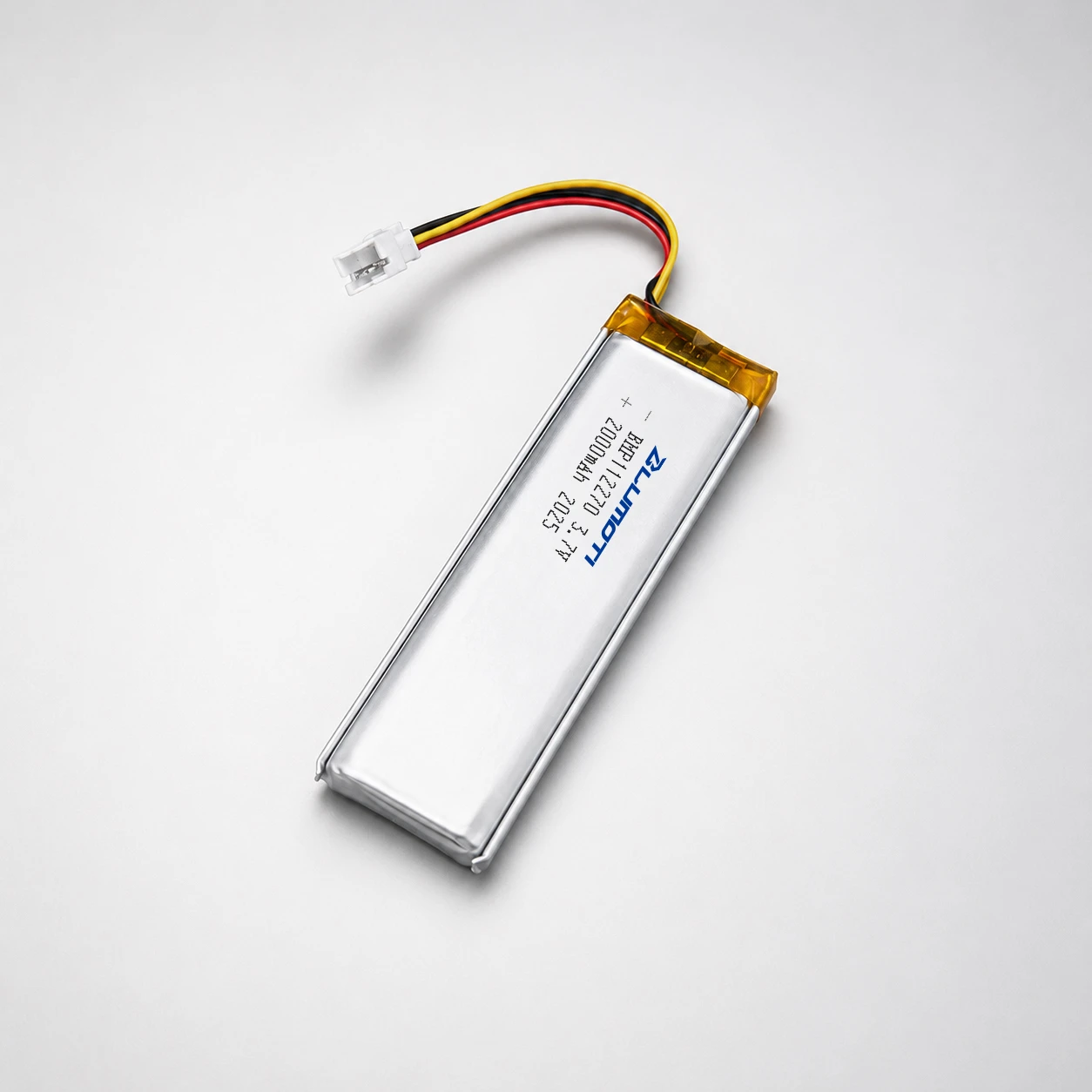


When it comes to lithium battery cells, choosing the right C-rate is crucial for optimizing performance and ensuring the longevity of your battery. As a leading lithium battery cell supplier, we understand the complexities involved in this decision. In this blog post, we'll delve into the factors you need to consider and provide practical guidance on how to select the appropriate C-rate for your specific application.
Understanding C-Rate
The C-rate is a measurement that indicates the charge or discharge current of a battery relative to its capacity. A 1C rate means that the battery will be charged or discharged in one hour. For example, if you have a battery with a capacity of 1000mAh, a 1C charge or discharge rate would be 1000mA (or 1A). A 2C rate would be 2000mA (or 2A), and so on. Higher C-rates allow for faster charging and discharging, but they also generate more heat and can potentially reduce the battery's lifespan.
Factors to Consider When Choosing a C-Rate
Application Requirements
The first step in choosing the right C-rate is to understand the specific requirements of your application. Different applications have different power demands and usage patterns. For instance, if you're using the battery in a high-performance RC vehicle, you'll need a battery with a high C-rate to deliver the rapid bursts of power required for acceleration. On the other hand, if you're using the battery for a low-power device like a handheld sensor, a lower C-rate may be sufficient.
Battery Capacity
The capacity of the battery also plays a role in determining the appropriate C-rate. A higher-capacity battery can generally handle a higher C-rate without overheating or experiencing excessive stress. However, it's important to note that not all high-capacity batteries are designed for high C-rates. You need to choose a battery that is specifically engineered to handle the C-rate you require.


Heat Generation
As mentioned earlier, higher C-rates generate more heat. Excessive heat can damage the battery and reduce its lifespan. Therefore, it's important to consider the heat dissipation capabilities of your application when choosing a C-rate. If your application has limited space for heat dissipation, you may need to choose a lower C-rate to prevent overheating.
Battery Lifespan
The C-rate can also affect the lifespan of the battery. Charging or discharging a battery at a high C-rate can cause more wear and tear on the battery cells, leading to a shorter lifespan. If you need the battery to last for a long time, it's advisable to choose a lower C-rate.
Our Product Recommendations
At our company, we offer a wide range of lithium battery cells with different C-rates to meet the diverse needs of our customers. Here are some of our recommended products:
- 15C Lipo Battery: This battery is designed for applications that require a moderate to high C-rate. It offers a good balance between power and lifespan, making it suitable for a variety of uses, including RC vehicles and power tools.
- 330Wh/kg Semi-solid Lipo Battery: Our semi-solid lithium polymer battery with a high energy density of 330Wh/kg is ideal for applications where space and weight are critical. It can be charged and discharged at a relatively high C-rate while maintaining a long lifespan.
- 40C Lipo Battery: For applications that demand extremely high power and rapid charging, our 40C Lipo Battery is the perfect choice. It can deliver a large amount of current in a short period of time, making it suitable for high-performance RC racing and other high-power applications.
How to Calculate the Required C-Rate
To calculate the required C-rate for your application, you need to know the maximum current draw of your device and the capacity of the battery. The formula for calculating the C-rate is:
C-rate = Maximum current draw (A) / Battery capacity (Ah)
For example, if your device has a maximum current draw of 3A and you're using a battery with a capacity of 1.5Ah, the required C-rate would be:
C-rate = 3A / 1.5Ah = 2C
Tips for Optimal Battery Performance
- Use a compatible charger: Always use a charger that is designed for the specific C-rate and chemistry of your battery. Using an incompatible charger can damage the battery and reduce its lifespan.
- Store the battery properly: When not in use, store the battery in a cool, dry place. Avoid storing the battery at high temperatures or in a fully charged or discharged state for an extended period of time.
- Monitor the battery temperature: Keep an eye on the battery temperature during charging and discharging. If the battery gets too hot, stop using it immediately and allow it to cool down before continuing.
Conclusion
Choosing the right C-rate for a lithium battery cell is essential for achieving optimal performance and ensuring the longevity of your battery. By considering the application requirements, battery capacity, heat generation, and battery lifespan, you can make an informed decision. At our company, we're committed to providing high-quality lithium battery cells with a wide range of C-rates to meet your specific needs. If you have any questions or need further assistance in selecting the right C-rate for your application, please don't hesitate to contact us. We're here to help you make the best choice for your project.
References
- Linden, D., & Reddy, T. B. (2002). Handbook of Batteries. McGraw-Hill.
- Tarascon, J.-M., & Armand, M. (2001). Issues and challenges facing rechargeable lithium batteries. Nature, 414(6861), 359-367.