

Yo, what's up, battery enthusiasts! I'm stoked to be here today as a standard lipo battery supplier, diving deep into the world of self - discharge rates of these super - cool power sources.
Let's start with the basics. A standard lipo (lithium - polymer) battery is a powerhouse in the portable energy game. If you're using smartphones, drones, or even some high - end toys, chances are there's a lipo battery making it all happen. But what's this self - discharge rate thing we're talking about?
The self - discharge rate is how much a battery loses its charge over time when it's just sitting there, not being used. It's like when you fill up your gas tank, but then some of the gas just magically disappears even though you're not driving. For lipo batteries, this is an important factor because if the self - discharge rate is too high, your battery might be dead when you're ready to use it.
Now, the self - discharge rate of a standard lipo battery is affected by a bunch of things. One of the biggest factors is temperature. You know how you feel sluggish when it's too hot or too cold? Well, lipo batteries are the same way. When it's really cold, the chemical reactions inside the battery slow down, but they still happen, causing a bit of self - discharge. On the flip side, high temperatures speed up those reactions, and the battery can lose its charge much faster.

Another factor is the state of charge when the battery is stored. If a lipo battery is fully charged and then left sitting, it'll self - discharge at a different rate compared to when it's partially charged. Generally, it's recommended to store lipo batteries at around 50% charge to minimize self - discharge.
So, what's a normal self - discharge rate for a standard lipo battery? Well, on average, a good - quality lipo battery will have a self - discharge rate of about 1 - 3% per month. That means if you have a fully charged 1000mAh battery, after a month of sitting, it might have anywhere from 970mAh to 990mAh left.
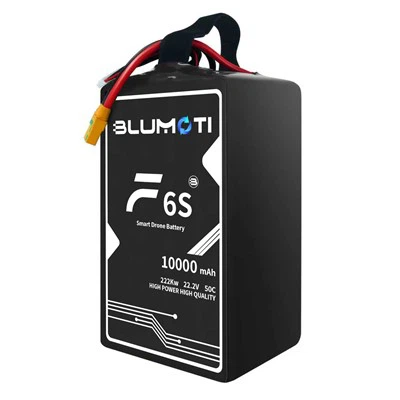
I'll tell you why this matters. Suppose you're a drone enthusiast. You've got an awesome drone that runs on a lipo battery, and you fly it once a month. If the self - discharge rate is too high, by the time you're ready to take to the skies again, the battery might not have enough juice to keep your drone in the air for long. But if you've got a battery with a low self - discharge rate, you can be confident that it'll still have a decent charge when you need it.
As a supplier, we've put a ton of effort into ensuring that our batteries have low self - discharge rates. We use high - quality materials and advanced manufacturing techniques. For example, our 523450 1000mAh Li - ion Polymer Battery is designed to have a really low self - discharge rate, so you can count on it even after long periods of storage.
We also offer High Capacity Lipo Cells. These are great for those who need a lot of power in one go. And even though they have a high capacity, we've managed to keep the self - discharge rate under control.
If you're looking for something smaller, our Lithium Ion Polymer Battery 3.7V 500mAh is a perfect choice. It's compact but still packs a punch, with a self - discharge rate that won't leave you disappointed.
For applications that require a bit more voltage, we've got High Voltage Lipo Battery. These are engineered to maintain a low self - discharge rate while providing high - voltage performance.
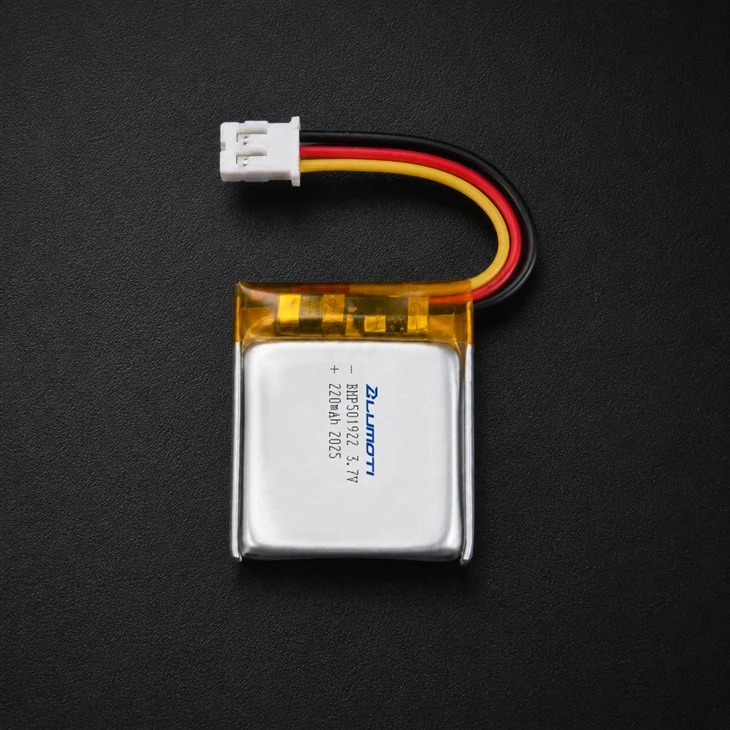
And let's not forget our 3.7V 200mAh Lithium Polymer Battery. It's small, but it's mighty, and it's designed to hold its charge well over time.
Now, you might be wondering how we test these self - discharge rates. We've got a state - of - the - art testing facility where we monitor the batteries over long periods. We measure the charge at the start and then check it again after a month or more. This way, we can accurately determine the self - discharge rate and make sure that every battery that leaves our facility meets our high standards.
If you're in the market for standard lipo batteries, whether it's for personal use or for your business, we've got the products you need. A low self - discharge rate means you can save money in the long run because you won't have to replace your batteries as often. It also gives you peace of mind, knowing that your battery will be ready when you are.
So, if you're interested in learning more or want to start a purchase, don't hesitate to reach out. We're here to answer any questions you might have and help you find the perfect battery for your needs.
References:
- Battery University: A great resource for all things battery - related. They have in - depth articles on self - discharge rates and other battery characteristics.
- Journal of Power Sources: This academic journal publishes research on battery technology, including studies on self - discharge in lipo batteries.