


Choosing a suitable charger for a standard LiPo (Lithium Polymer) battery is crucial for ensuring both the battery's performance and safety. As a standard LiPo battery supplier, I understand the significance of this decision and aim to provide you with comprehensive guidance on this topic.
Understanding LiPo Batteries
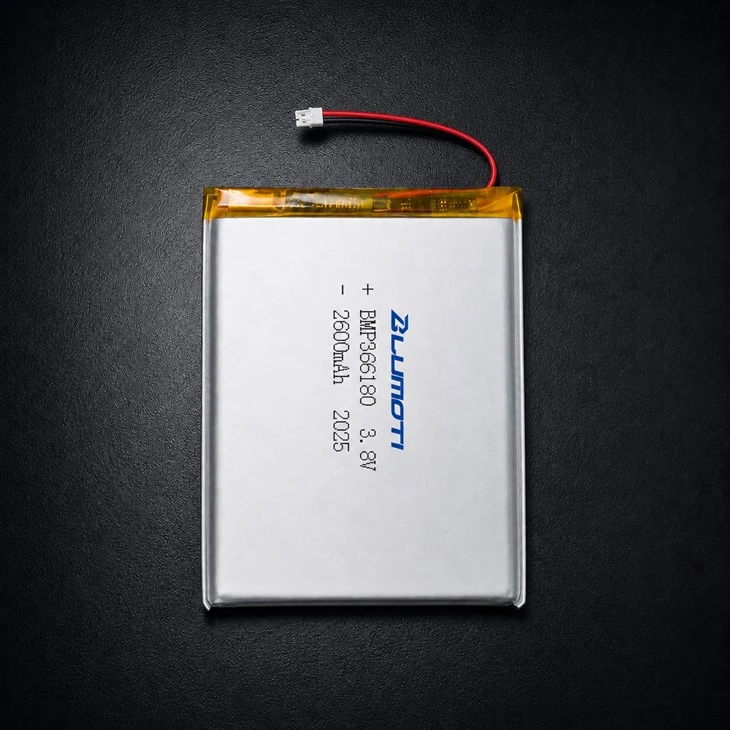
Before delving into charger selection, it's essential to have a basic understanding of LiPo batteries. These batteries are known for their high energy density, lightweight design, and flexibility in shape and size. They are widely used in various applications, including remote - controlled vehicles, drones, portable electronics, and more. For instance, our 3.7v 180mah lithium polymer battery is suitable for small, low - power devices, while the 1000 mAh Lipo can power more demanding applications.
LiPo batteries are typically marked with voltage and capacity ratings. The voltage is often measured in volts (V), and the capacity is measured in milliampere - hours (mAh). These ratings play a crucial role in determining the appropriate charger.
Key Factors in Charger Selection
Voltage Compatibility
The charger must be compatible with the voltage of the LiPo battery. Most standard LiPo batteries have a nominal voltage of 3.7V per cell. For example, a single - cell LiPo battery will require a charger designed for 3.7V. If you have a multi - cell LiPo battery pack, such as a 2S (two - cell) pack with a nominal voltage of 7.4V, you need a charger that can handle this voltage. Using a charger with an incorrect voltage can lead to overcharging or undercharging, which can damage the battery or even cause a safety hazard.
Charging Current
The charging current, measured in amperes (A), is another critical factor. It determines how quickly the battery will charge. A general rule of thumb is that the charging current should not exceed the C - rating of the battery. The C - rating is a measure of the battery's ability to handle a charge or discharge current. For example, if you have a 1000mAh LiPo battery with a 1C rating, the maximum safe charging current is 1A (since 1C of 1000mAh is 1000mA or 1A). Charging at a higher current than the battery's C - rating can generate excessive heat and reduce the battery's lifespan.
Charging Method
There are two common charging methods for LiPo batteries: constant - current (CC) and constant - voltage (CV). In the CC stage, the charger supplies a constant current to the battery until it reaches a certain voltage. Then, in the CV stage, the charger maintains a constant voltage while the charging current gradually decreases as the battery approaches full charge. A good charger should be able to switch between these two stages automatically to ensure a safe and efficient charge.
Balance Charging
For multi - cell LiPo battery packs, balance charging is essential. Each cell in a LiPo pack should have the same voltage. Over time, due to differences in cell characteristics, the voltages of the cells can become unbalanced. A balance charger monitors and equalizes the voltage of each cell during the charging process. This helps to ensure the longevity and safety of the battery pack. Our High Voltage Lipo Battery often comes in multi - cell packs, where balance charging is of utmost importance.
Types of Chargers
Wall Chargers
Wall chargers are the most common type of chargers. They are simple to use and can be plugged directly into a wall outlet. These chargers are usually designed for a specific voltage and capacity, so make sure to choose one that matches your LiPo battery. They are suitable for charging small - to medium - sized LiPo batteries, such as those used in mobile phones and small portable electronics.
USB Chargers
USB chargers are convenient for charging LiPo batteries, especially when you are on the go. They can be plugged into a computer, power bank, or any other device with a USB port. However, the charging current of USB chargers is usually limited, so they may take longer to charge the battery. They are ideal for small LiPo batteries, like our Small lithium - ion polymer battery.
Dedicated LiPo Chargers
Dedicated LiPo chargers are more advanced and offer more features. They can handle different voltages, capacities, and charging methods. These chargers often have built - in safety features, such as over - charge protection, over - discharge protection, and short - circuit protection. They are suitable for charging high - capacity LiPo batteries, such as those used in drones and remote - controlled vehicles.
Safety Considerations
When choosing a charger for your LiPo battery, safety should be your top priority. Here are some safety tips:
- Use a Certified Charger: Make sure the charger is certified by a recognized organization, such as UL (Underwriters Laboratories). This ensures that the charger meets certain safety standards.
- Monitor the Charging Process: Never leave a charging LiPo battery unattended. Keep an eye on the charger and the battery for any signs of overheating, swelling, or abnormal behavior.
- Charge in a Safe Place: Charge your LiPo battery in a fire - resistant container or on a non - flammable surface. This can help prevent damage in case of a battery fire.
- Follow the Manufacturer's Instructions: Always follow the manufacturer's instructions for both the battery and the charger. This includes proper storage, charging, and handling procedures.
Matching Chargers to Specific LiPo Batteries
Let's take a look at how to match chargers to some of our most popular LiPo batteries:
- 3.7v 180mah lithium polymer battery: A USB charger with a low charging current (around 0.1 - 0.2A) would be suitable for this small - capacity battery. It can be charged slowly and safely, and the USB port provides a convenient power source.
- 1000 mAh Lipo: A wall charger or a dedicated LiPo charger with a 1A charging current would be appropriate. If it is a single - cell battery, make sure the charger is designed for 3.7V. If it is a multi - cell pack, ensure that the charger can perform balance charging.
- lithium ion polymer battery 3.7v 1200mah: Similar to the 1000mAh battery, a charger with a 1.2A charging current (assuming a 1C rating) would work well. A dedicated LiPo charger with advanced safety features is recommended.
Conclusion
Choosing the right charger for your standard LiPo battery is a decision that should not be taken lightly. By considering factors such as voltage compatibility, charging current, charging method, and balance charging, you can ensure the safety and longevity of your battery. As a standard LiPo battery supplier, we are committed to providing high - quality batteries and helping our customers make informed decisions about charger selection.
If you are interested in purchasing our LiPo batteries or have any questions about charger selection, please feel free to contact us. We are here to assist you with all your LiPo battery needs.

References
- Battery University: A comprehensive resource for battery knowledge and best practices.
- Manufacturer's manuals for LiPo batteries and chargers.